Afterwards

It’s always sad to say goodbye when our cruise comes to an end.  Back to the “real world” – shopping, bill paying, chores…..  However, the positives are coming home to our cats and sleeping in our own bed.  No matter how comfortable other beds may be, there is nothing like your own pillow!

The one thing that everyone loves on a cruise ship is the food!  So here are some average amounts of the food we consumed on a daily basis:

  • Fish:  1,700
  • Poultry:  1,400 lbs
  • Beef:  1,700 lbs
  • Pork/Pork Products:  1,400 lbs
  • Veal:  300 lbs
  • Lamb:  200 lbs
  • Salads:  1,600 lbs
  • Mayonnaise:  13 gals
  • Pasta:  500 lbs
  • Potatoes:  2,700 lbs
  • Soups:  550 gals
  • Flour:  1,500 lbs
  • Pastries:  6,000
  • Ice cream:  100 gals
  • Butter:  400 lbs
  • Coffee:  470 gals
  • Sugar:  400 lbs
  • Glasses washed daily:  21,500
  • Dishes washed daily:  70,000

Is this all?   Well, not quite.  After the passengers are served, then it’s time to feed over 848 crew members!  (And by world standards, the Sea Princess is not even  a very big cruise ship!)

So now our Asian cruise is a memory and I have some serious scrapbooking to do, but already we have booked our next cruise!  Around Australia from Brisbane to Perth with some friends who will be visiting from England in November.  We did this cruise once before, but this time we will stopping at two ports in New Guinea – the previous one went to Bali.

Meanwhile, I am having trouble remembering what day it is – I’ve already missed an appointment this week, so I must set myself a reminder to meet with my quilting group tomorrow!


Tokyo, Japan

 Tokyo (3)

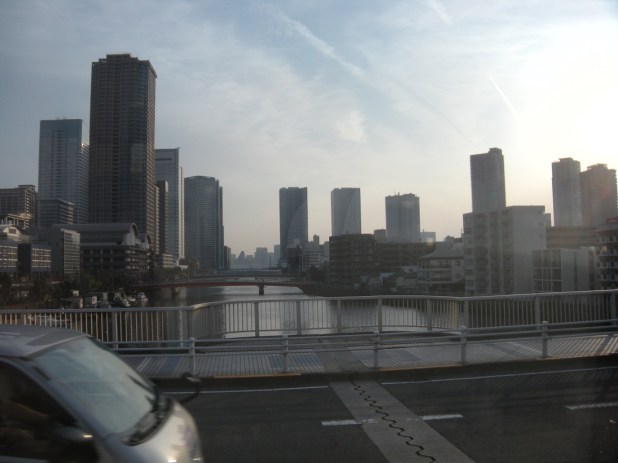
The weather was very nice as we set out on Wednesday, 30 March for our last stop in Tokyo.  Into the coach and off to see the Imperial Palace Gardens (we thought!)  Driving through the city, I was a bit disappointed – nice but nothing spectacular or memorable really, except for the Tokyo Tower…..  I’m not sure what I was expecting.  Some motorbikes and bicycles, but mostly cars on the road.

A city of 12.5 million we were told – with a floating population of 2 million.  Hard to imagine!

Tokyo (2)

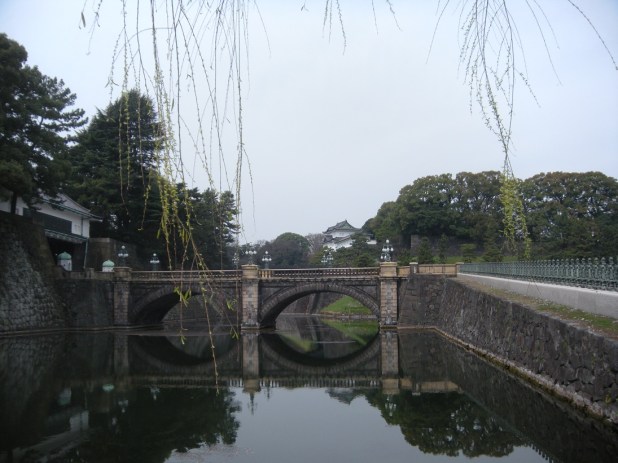
Anyway, once we got off the coach we noticed an unending line of people making their way to the Garden and found out that the Emperor only opens the Gardens to the public two days per year – and this was one of them!  One million people were invited.  So we were taken to the Imperial Palace Plaza and a short walk to a bridge near the East Gate – very pretty, but only a 10-minute photo stop in reality …. we had an hour!!!!

Tokyo (6)


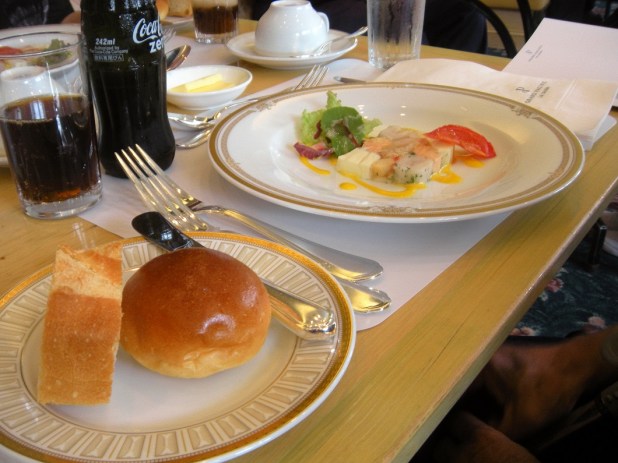
Next stop was the Meiji Shrine, with twin 40 feet tall Torii gates, one of the country’s largest.  Lunch was western-style at a Tokyo Hotel.  Very nice.

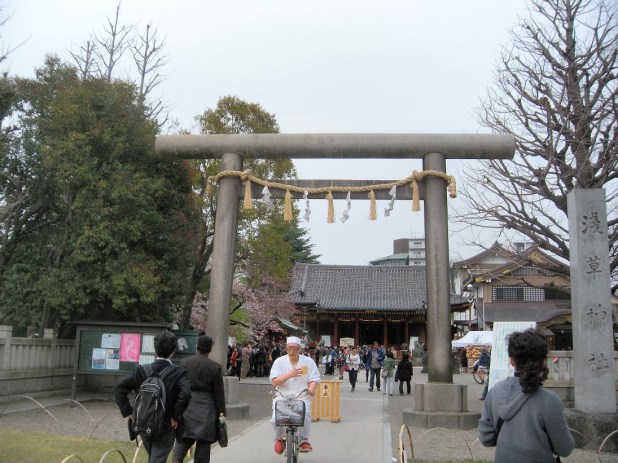
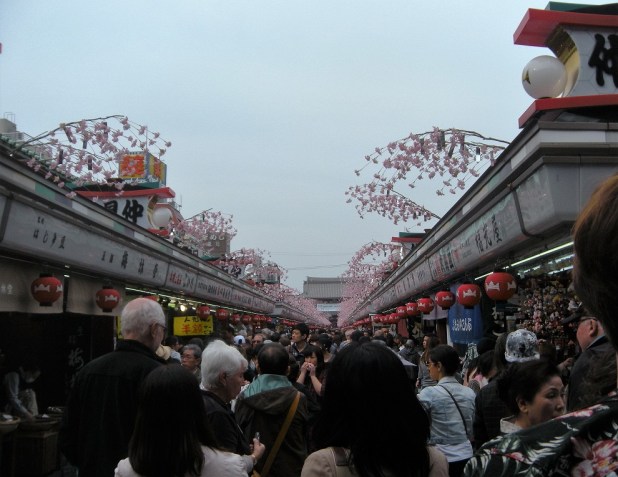
We continued on to Sensoji Temple, the oldest temple in Tokyo, and we saw a Japanese bride and many girls in traditional dress.  Lastly we spent quite some time at Nakamise-dori, the “street of Inside Shops”, an alley lined with souvenirs and handmade crafts.  Very crowded but very interesting – plenty of time to explore.  So much to see.

We have taken so many photos – especially in Japan.  It was difficult to only choose a few.  Many great memories…. and we have met some lovely local people.

Tokyo x (2)Tokyo x (3)Tokyo x

Now we are on our way back home – currently somewhere in the Pacific Ocean!  So we say goodbye to Japan for now, but hope to see you again.

Aomori, Japan

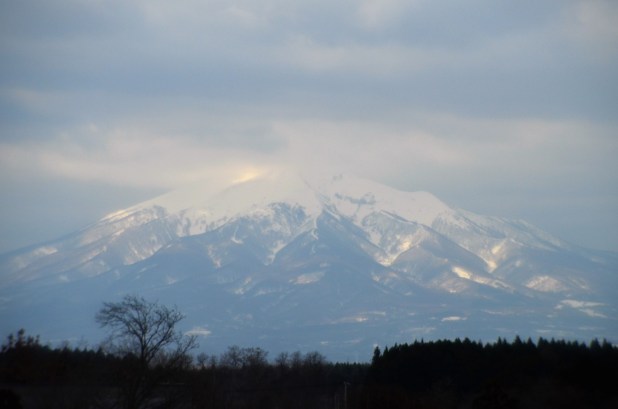
Aomori Mt Fuji

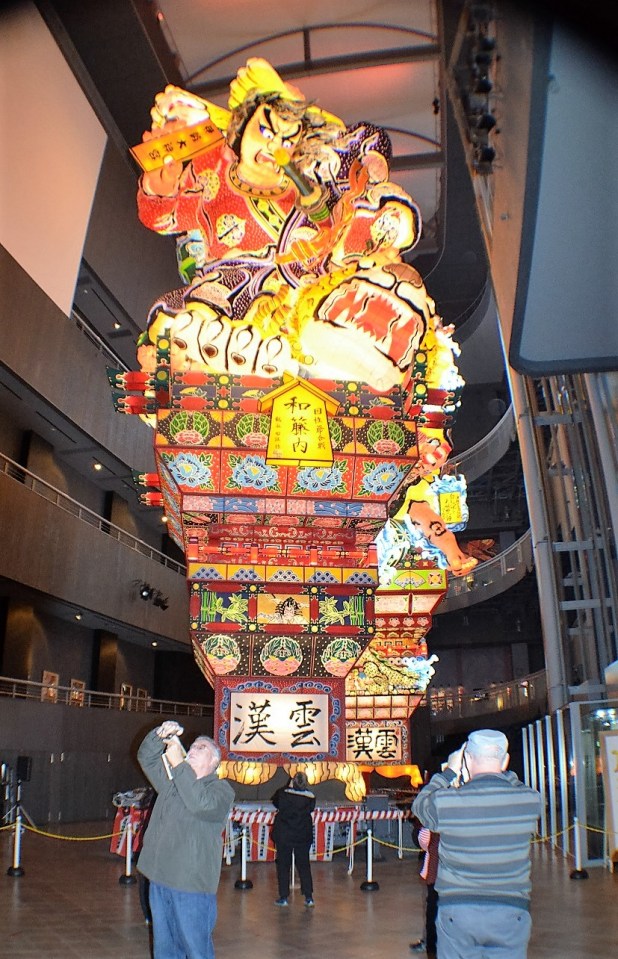
Monday, 28 March – The capital of the Amori Prefecture in northern Japan, Aomori is famous for its apple orchards (home of the Fuji apple) and the Nebuta Festival, an elaborate yearly event in which participants illuminate giant paper representations of samurai warriors, animals and popular cartoon characters and parade them through the streets.

Snow was still on the ground in places as we made our way to the Tsugaru Kanayama Kiln.  It is the end of winter but we have had great weather in Japan; today the temperature was about 8-11degC.  We were warm enough in just t-shirts and jackets, but of course, the coach and all the shops are heated.  It was a nice trip, through forests of beech, cedar and red pine.

Incidentally, we found out why so many people wear masks in Japan.  I thought it was to avoid germs or pollution – but no – it is because many people apparently suffer from hay fever caused by pollen from the red cedar trees.


Arriving at the kiln, we discovered that Aomori is also well known for unglazed copper-coloured pottery and we had an interesting tour and spoke to some apprentices as well as the owner.  Although this pottery was founded in 1985 it draws its inspiration from unglazed pottery made around 250 to 538AD.  I liked that they source the clay from the local reservoir and fire the kiln with local Japanese red pine wood.  We bought a small vase as a memento and enjoyed some of the local apple juice.

Aomori (2)

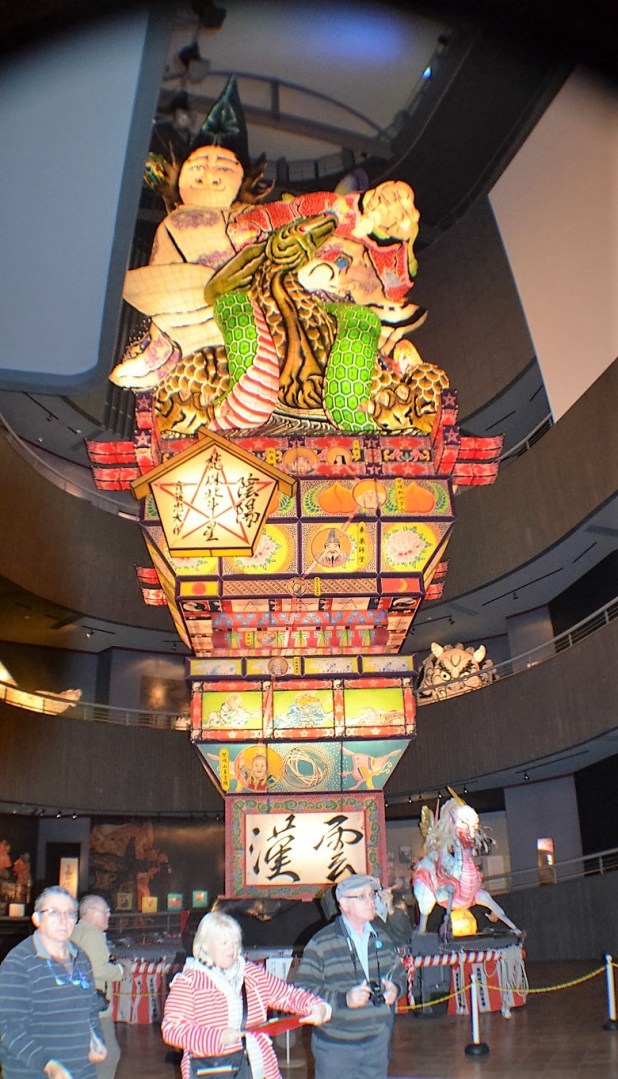
Our next stop was to Tachineputa no Yakata –  “The Hall of the Standing Neputa” we took the elevator to view the 3 floats on display.  They stand as tall as a 6-storey building and weigh 19 tonnes.  We also visited the workshop and our tour guide interpreted for the owner to explain how the floats are made.

Float construction


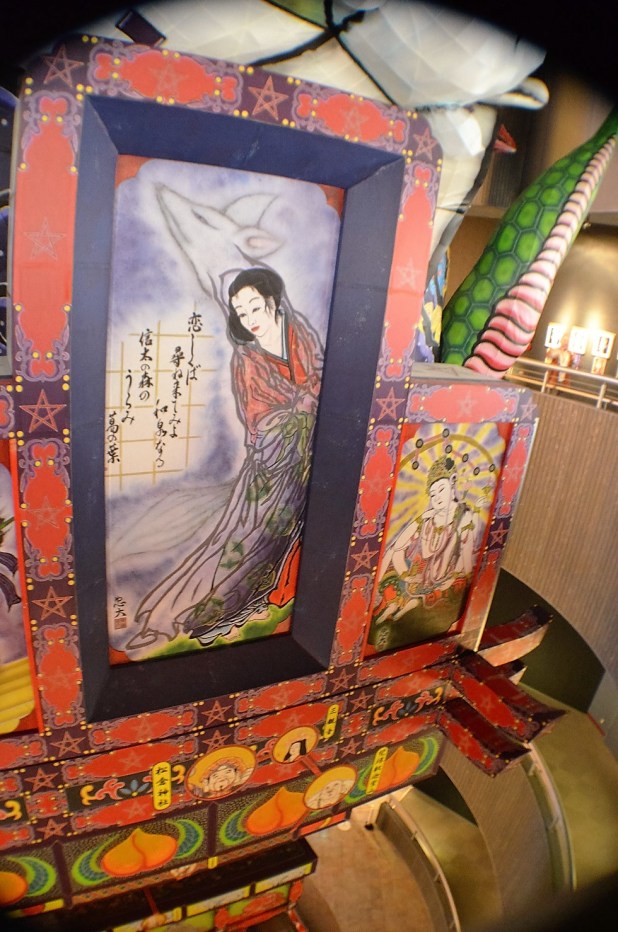
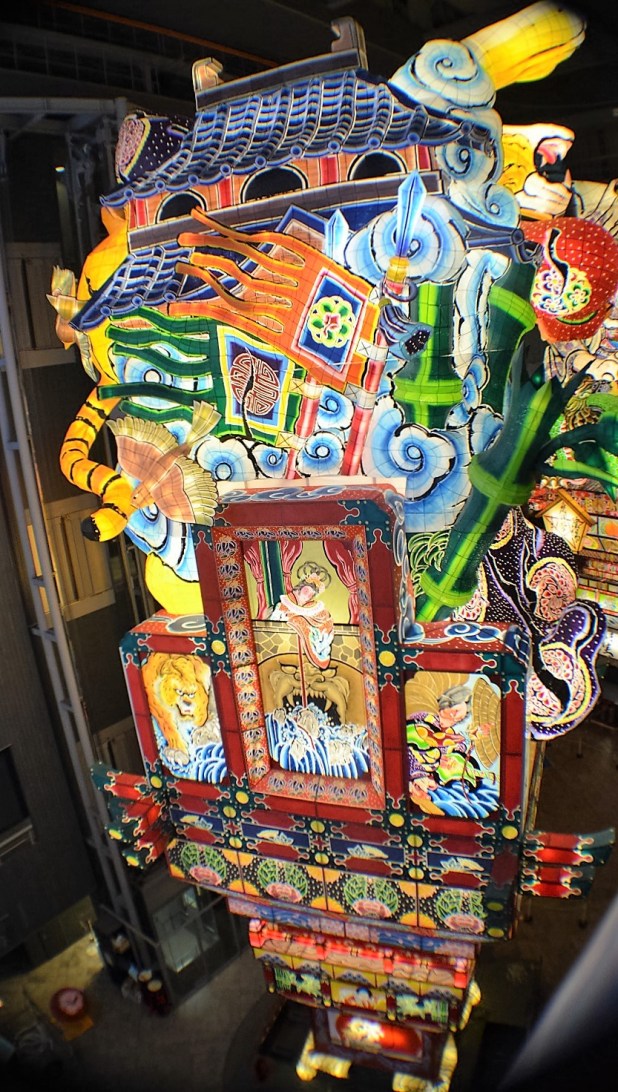
From what I remember, they start with just a drawing – not plans – and fix a metal pole into a base.  32 modules are formed using timber framing and wires which are tied together and then screwed in around the pole.   Paper is pasted over the wires and waterproof paints are applied.  All this work is done by volunteers. They are absolutely amazing to see and the painting is a work of art from all angles.  They are lit internally powered by generators and when the huge doors open for the parade, 6 men pull them along with ropes.  They are quite a sight to see.

FloatsFloats (5)Floats (4)Floats (3)Floats (2)