Amalia Glacier, Chile

DSCN0888

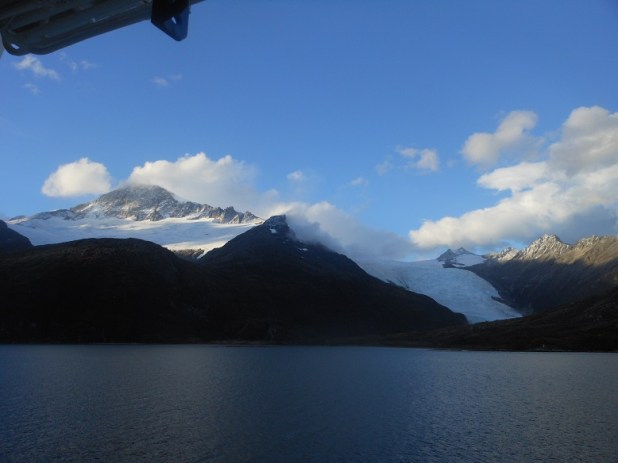
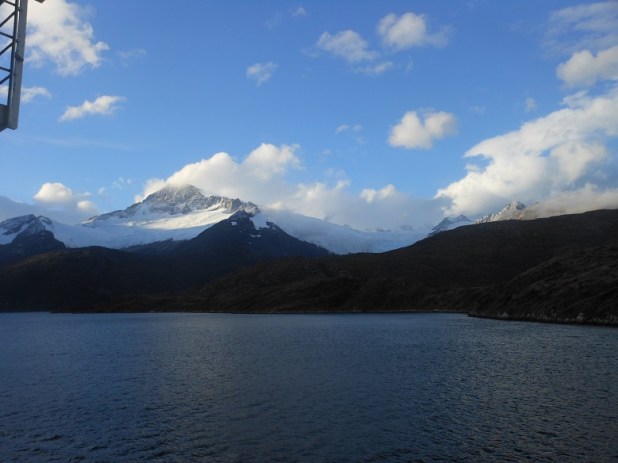
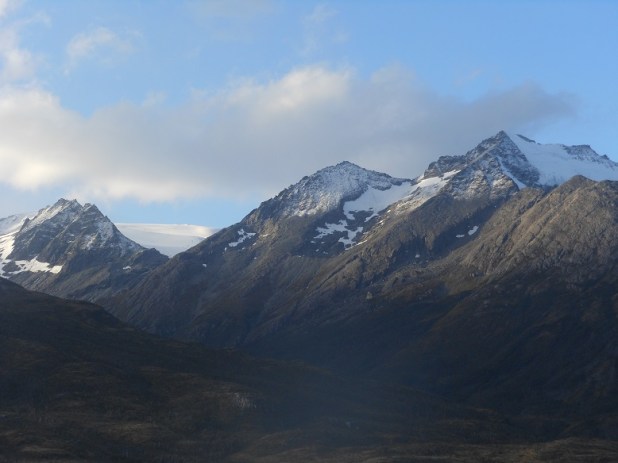
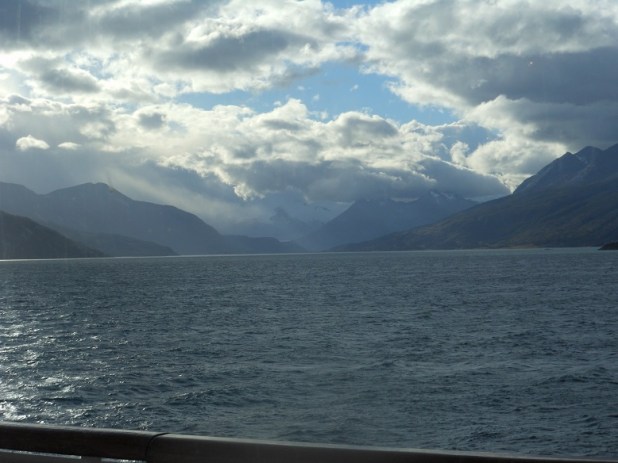
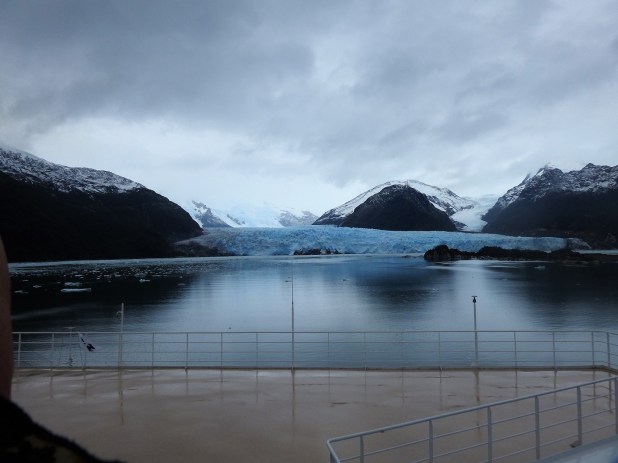
Saturday, 10 March:  Thousands of years in the making, this afternoon we navigated through Chile’s narrow fiords where we were excited to see the unparalleled beauty of the Amalia Glacier.  I was surprised by its’ size – it covers a huge area. Seas were very smooth and only a little patchy rain as we caught sight of the glazier’s magnificent blue ice – made when the ice absorbs all the other colours in the spectrum and reflects primarily blue.  We also saw a couple of dolphins, but they disappeared after a few minutes.

This slideshow requires JavaScript.

The captain had announced that we would be at the glacier at 4.00pm and sure enough, we arrived right on schedule.  The ship came to a stop and turned from starboard to port to that everyone had plenty of time to take photos and to appreciate this amazing spectacle.
Punta Arenas, Chile

DSCN0863IDSCN0868DSCN0869

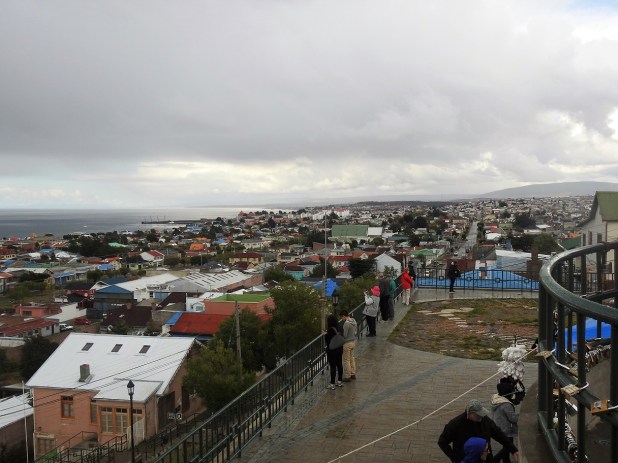
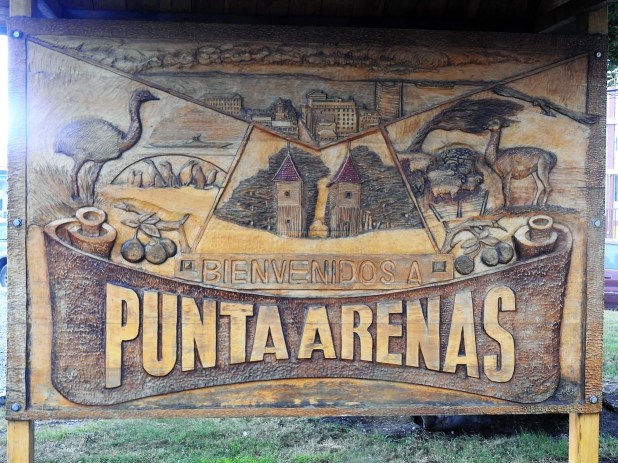
Friday, 9 March:  Our introduction to Chile – Punta Arenas is the world’s southern-most city, just 26 miles from the Strait of Magellan and it’s a lively mix of shopping, scenic wonders and intriguing history.  Our tour took to La Cruz hill which had beautiful views over the town and the Straits of Magellan, then to the Salesian Museum, a testimony to the life of the four tribes of indigenous inhabitants, all extinct now.

An interesting stop on the way back was to the City Cemetery, where we walked along the avenues lined with cypress trees and magnificent mausoleums.  Our guide, who had been keeping us entertained talking about the friendly rivalry that exists between Argentina and Chile, asked if we had been to the Recoleta Cemetery in Bueno Aires and was very keen to get our impressions of this cemetery; of course, he insisted that this one must be just a little better!

Far from being a lonely little outpost down the bottom of the planet, we were impressed to discover that Punta Arenas is the third-largest city in the Patagonia region; a flourishing city rich in attractions, from the colonial streets to its’ proximity to the icy southern continent of Antarctica.

DSCN2486DSCN2484DSCN2477DSCN2473


Ushuaia, Argentina

DSCN2438DSCN2434DSCN2436

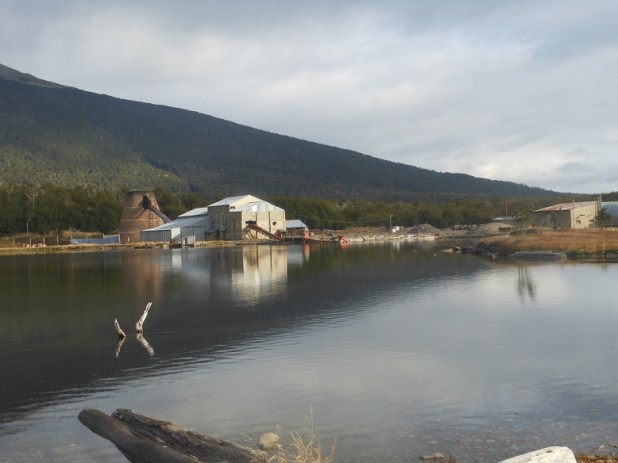
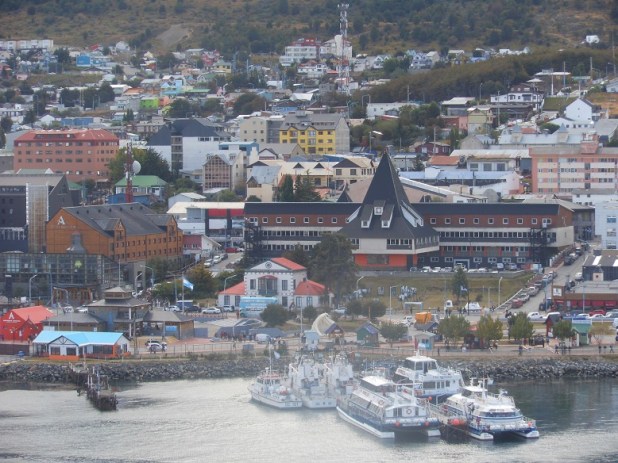
Our last Argentinian port of call, today, 8 March, we disembarked in Ushuaia – remote and rugged, it’s the land of fire and referred to as The End of the World!  During his famous circumnavigation around the tip of the continent, Ferdinand Magellan saw huge bonfires that lit up the sky, hence his name for the island, Tierra del Fuego.

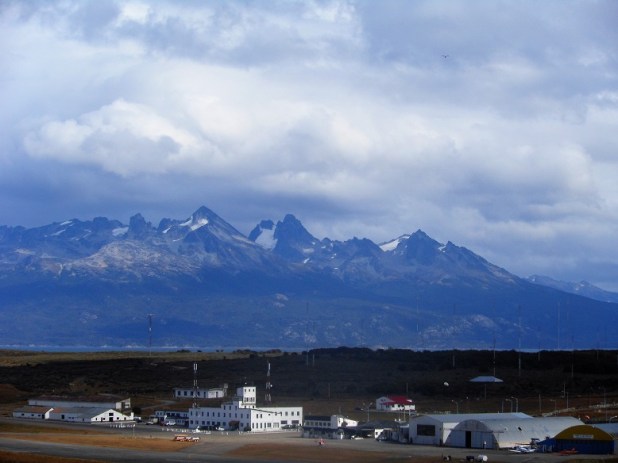
We set off through the town and made our way to the Andes Mountains beyond, where we went as far as the Garibaldi Pass to Lago Escondido “Hidden Lake”.   We enjoyed the comfort of the coach as we made our way through lush forests and spectacular mountain scenery.

Population of approx. 60,000, it’s a safe place to live.  No crime, we were told!  Plenty of jobs available as many of the big companies set up offices there; they pay no tax.

DSCN2448DSCN2442

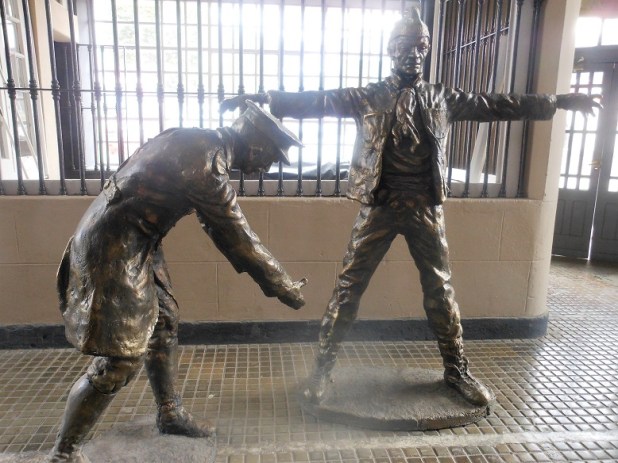
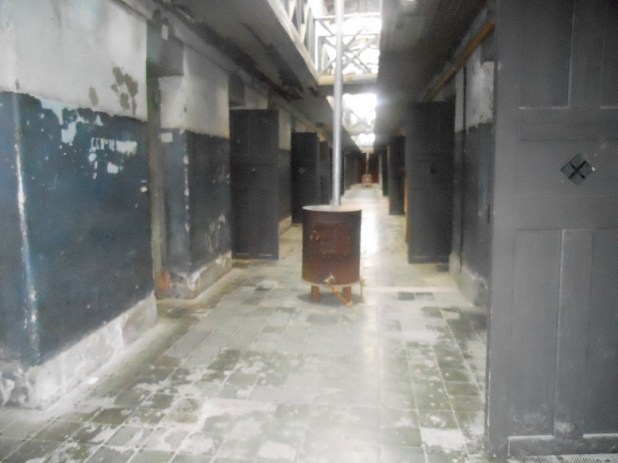
I thought it was a lovely little picture postcard city, although I may not like it so much in the depths of winter!  Its’ beginnings go back to when it was a penal colony and, on that note, we stopped at the Ushuaia Jail and Military Prison which housed prisoners from 1902 to 1947.  It’s now a museum housing lots of interesting photos and information detailing the harsh conditions of the unfortunate convicts.

Last stop was a break for some food in the island’s winter sports area, Las Cottoras where we enjoyed empanadas, pastries, sandwiches as well as local wines, chocolate and coffee.

DSCN2468DSCN2451DSCN2453

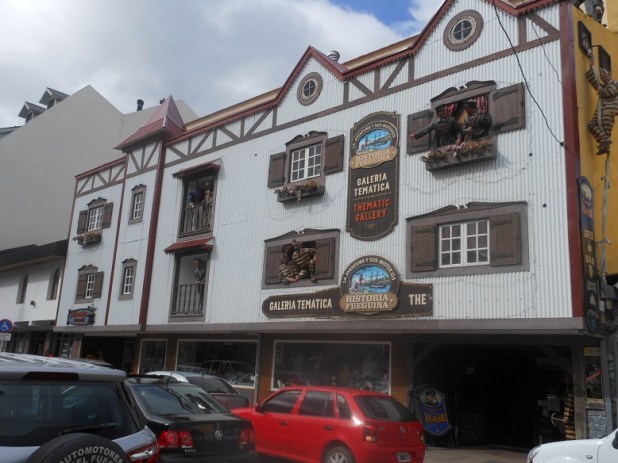
A last walk around this lovely town completed our day and gave us many happy memories to take away.

DSCN2461DSCN2457