Auckland, New Zealand

Thu, August 29

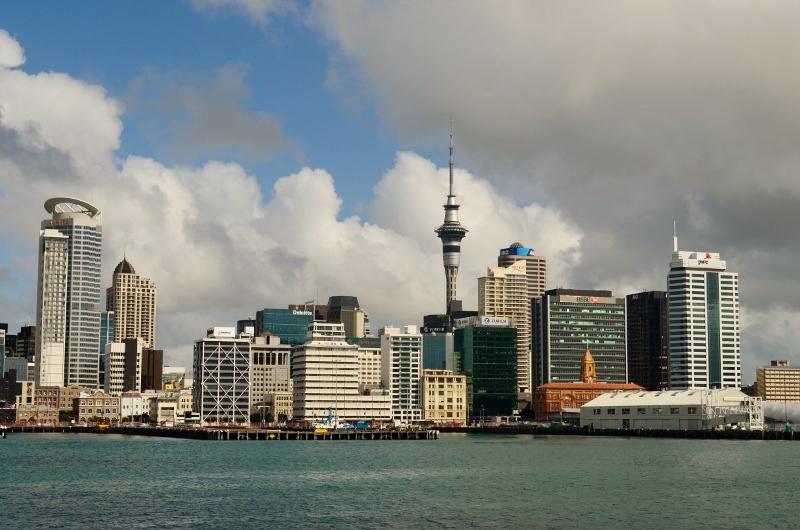
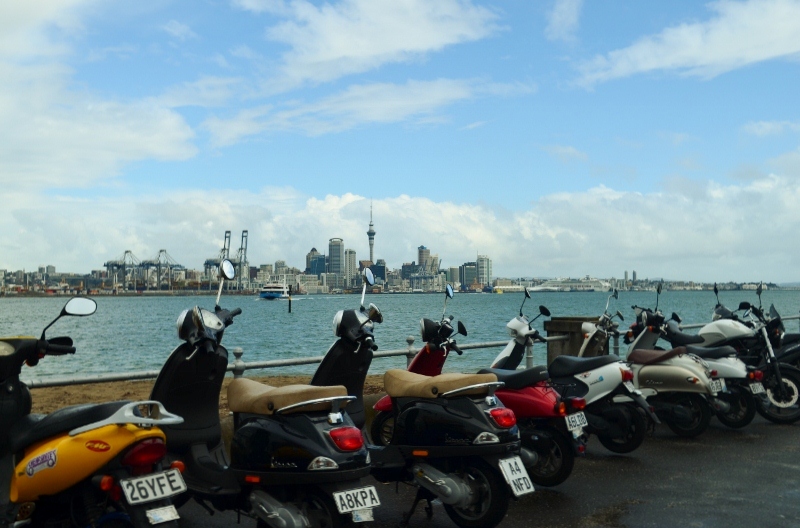
Auckland – City of Sails – so named because of its large harbour holding hundreds of yachts. Princess Wharf was a familiar sight from a previous visit a few years ago when we explored the city and the Maritime Museum.

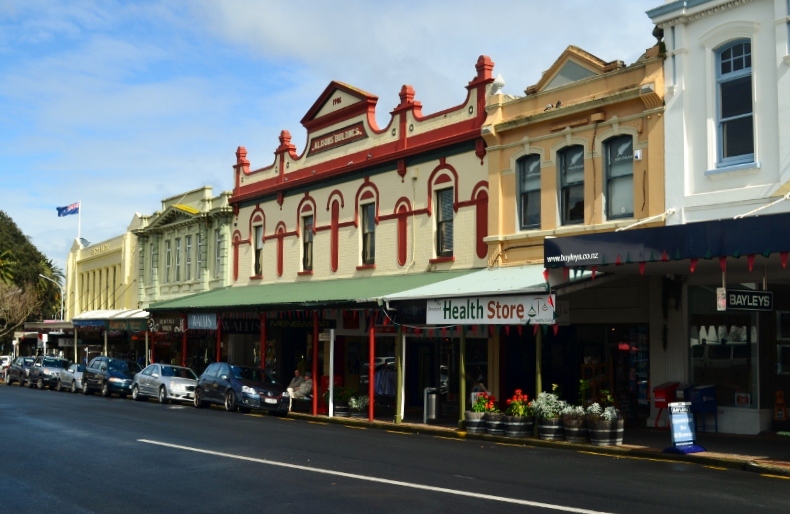
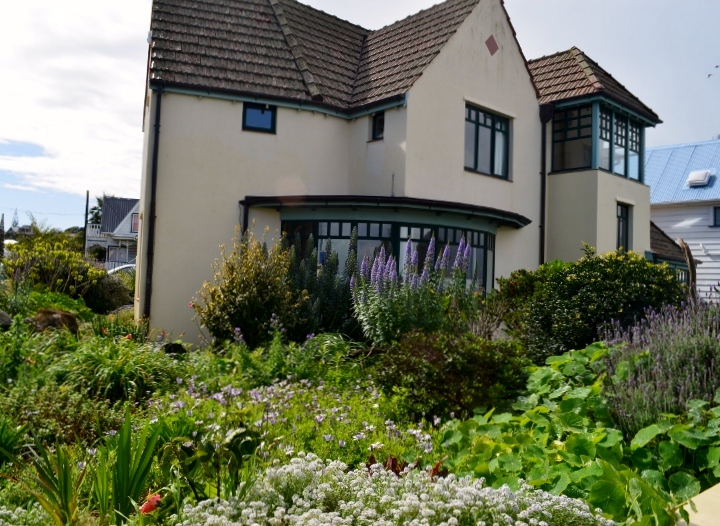
This time we decided to take the ferry to Devonport; unfortunately the weather caught up with us at last and it was quite a shock to go from barmy, warm Fiji to cold and rainy Auckland! Anyway, amidst grey skies and gusts of wind, we made our way out of the terminal from downtown Auckland onto the ferry, and in 10 short minutes we were in the heart of this historic seaside village which we immediately fell in love with.

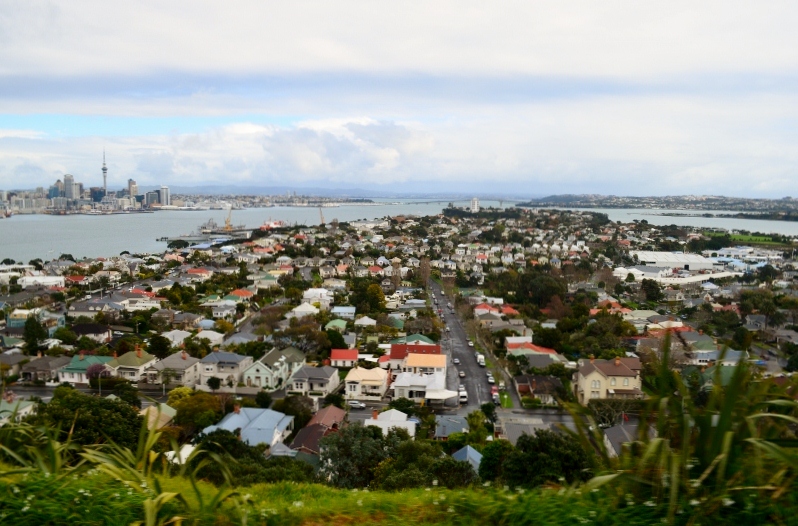
There was a minibus waiting for us for a one hour commentated tour around the main sights, including North Head where we were able to take in the spectacular city and harbour views in spite of showers of rain. We also walked through one of the many tunnels, started at the end of the 19th century in response to the Russian threat and extended during WWI and WWII. Gun embankments and bunkers are still evident. We then drove up to Mt Victoria where we also had great views (in between the showers of rain!)

As we made our way back around the bay, we were amazed to see a school of dolphins – unfortunately it was raining at the time and we weren’t able to get photos from the bus.

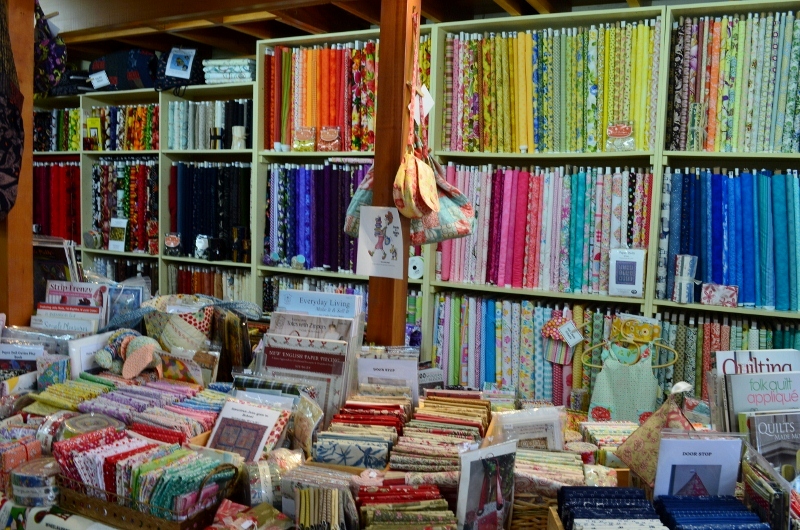
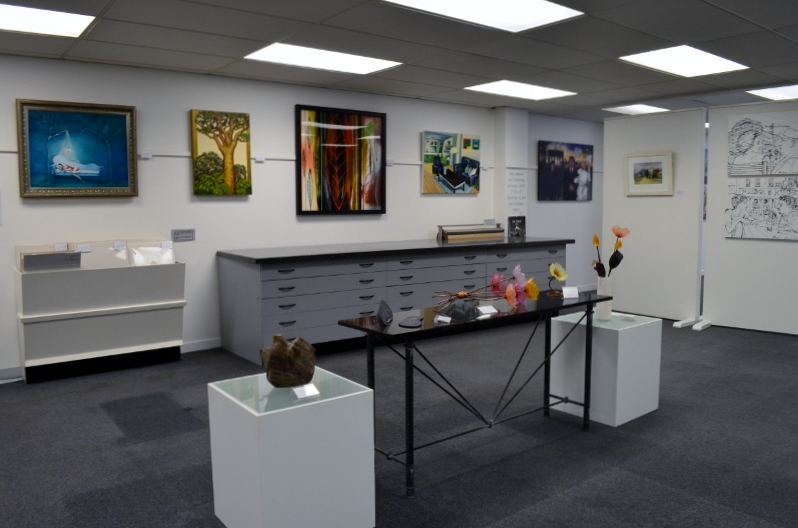
Once back in the main street, we stopped to warm up with a coffee before starting to explore the many galleries, displaying oils and watercolours, glass, ceramics and jewellery. One gallery in particular caught our eye, and that was the Peter Raos Gallery containing many lovely original pieces of art glass. Website – peter-raos.com. We loved the charming mix of cafes and shops situated in mostly old heritage buildings, and when I found two little shops, one with yarn and the other with patchwork fabrics, my day was nearly complete. There was just one more stop to make……

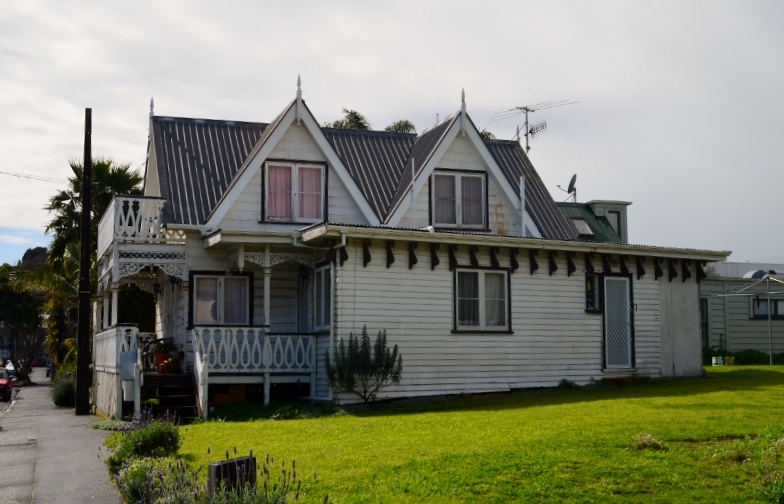
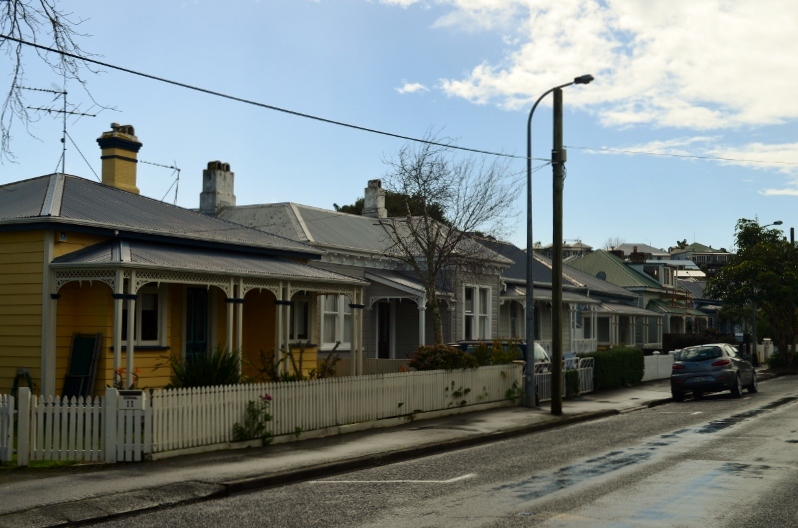
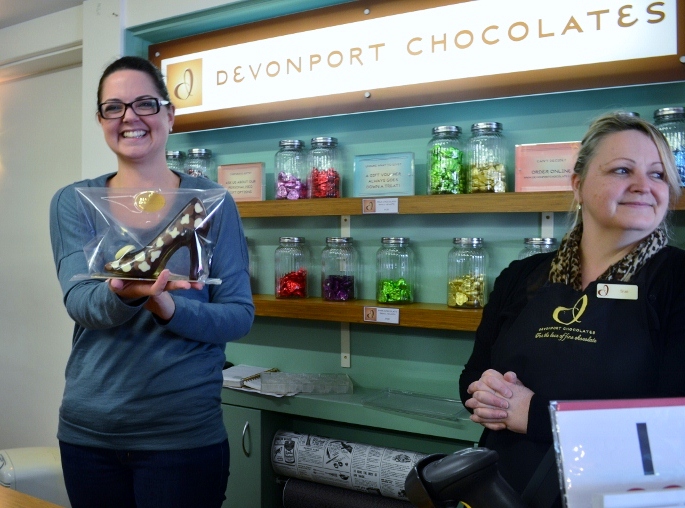
As we walked on, admiring Devonport’s collection of many late 19th century villas, the sun came out and just around the corner we came across the Chocolate Factory – and free samples! The owner explained how the family business came about 20 years ago and we spent some time watching the chocolates being through the viewing window, before making our way back to the ferry.

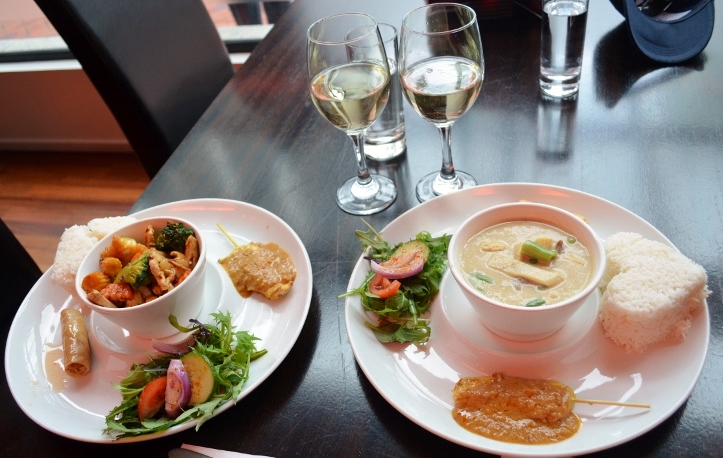
Once back in Auckland, we found a Thai restaurant for lunch – and we timed it well, as half-way through our meal the weather changed once again and there was a brief hailstorm! By the time we had finished lunch and explored a few more shops, the sun was out again with patches of blue sky. We thought Melbourne was the place that had four seasons in one day – now we know that Auckland is a definite contender for the title!

I must admit it was nice to get back on board at this point into our air conditioned comfort zone. After 3 months of summer weather, the sudden drop in temperature to 13oC was a shock to the system. However, we had a very enjoyable day exploring Devonport – Auckland’s crown jewel.
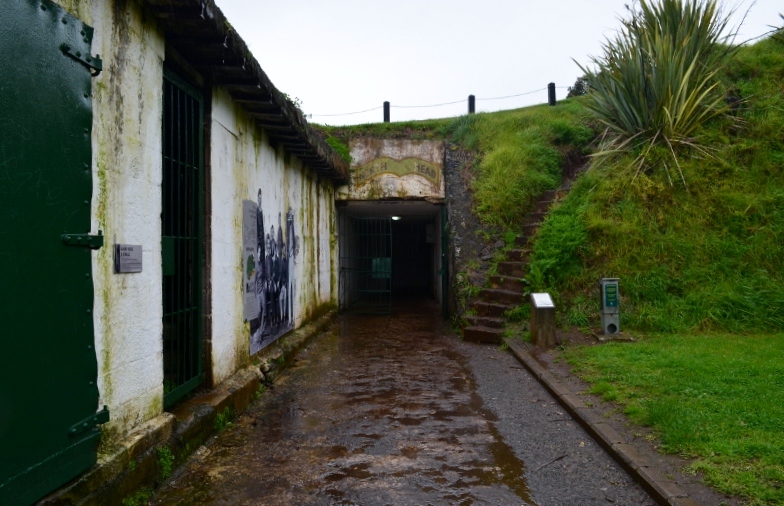
Sea Princess Aukland NZ 045 (800x530)

North Head tunnel

North Head tunnel

Sea Princess Aukland NZ 034 (800x530)

Devonport

Devonport

Cushla's Village Fabrics

Cushla’s Village Fabrics

Gallery

Gallery

Sea Princess Aukland NZ 046 (800x530)

Sea Princess Aukland NZ 047 (800x530)

Sea Princess Aukland NZ 049 (800x530)

The Chocolate Factory

The Chocolate Factory

Lunch
Lunch

Sea Princess Aukland NZ 078 (800x530)

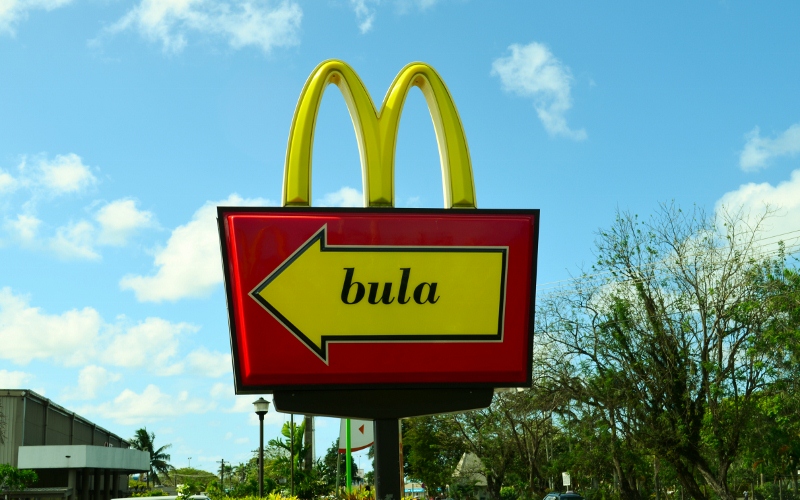
Bula from Fiji

Mon, August 26

A few years ago we stayed in a lovely resort on beautiful Denarau Island, and explored Nadi and the surrounding areas, so it was interesting to arrive in Suva this time to see a different part of the island.

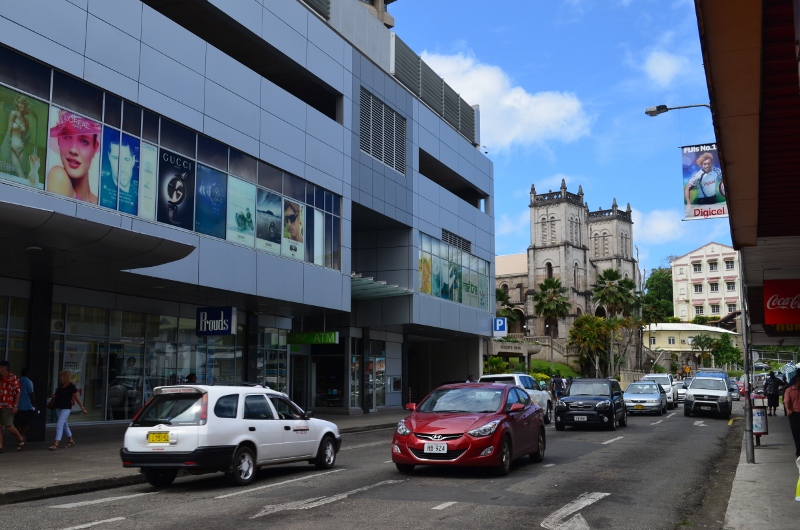
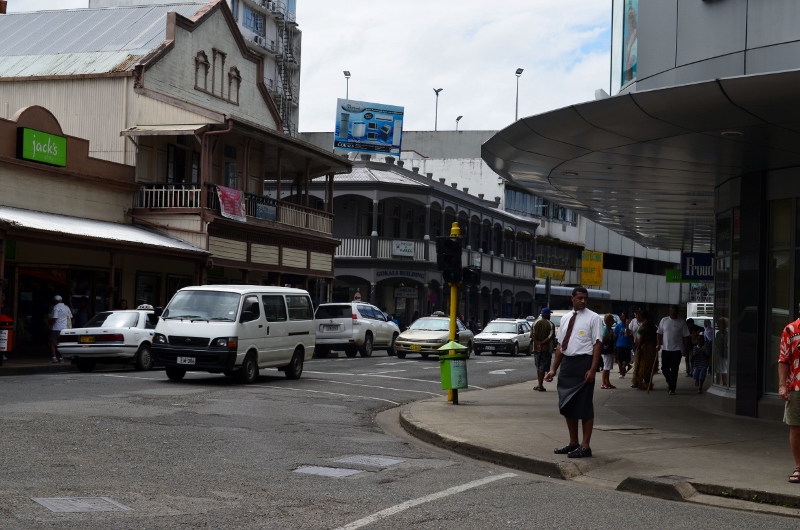
Suva with its colonial buildings is the commercial centre; not a great deal to do there so we jumped on a mini bus (with real air conditioning this time) for a 3-hour tour and headed out of town. We drove through rainforests and coastal areas and passed many villages – groups of houses where families and extended families live in close contact. There are no nursing homes to be found here.

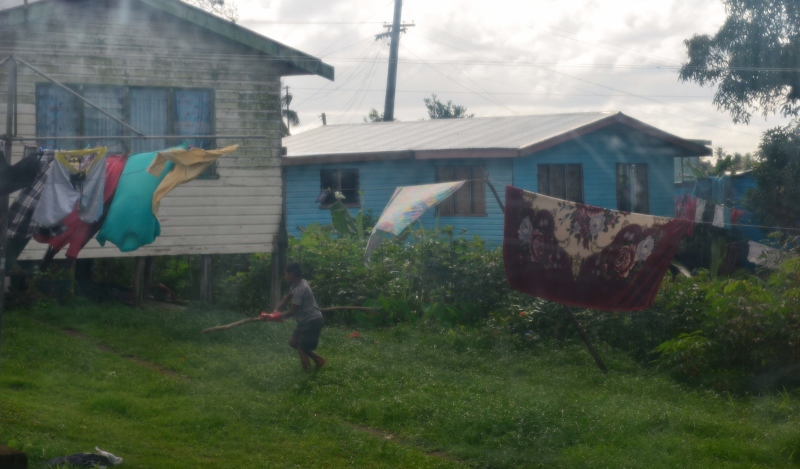
The unemployment rate is very high, about 30% and many people live in very poor housing so that they can afford to give their children a good education. Some houses were no more than small shacks and because it was Monday, everyone had their washing hanging out to dry.

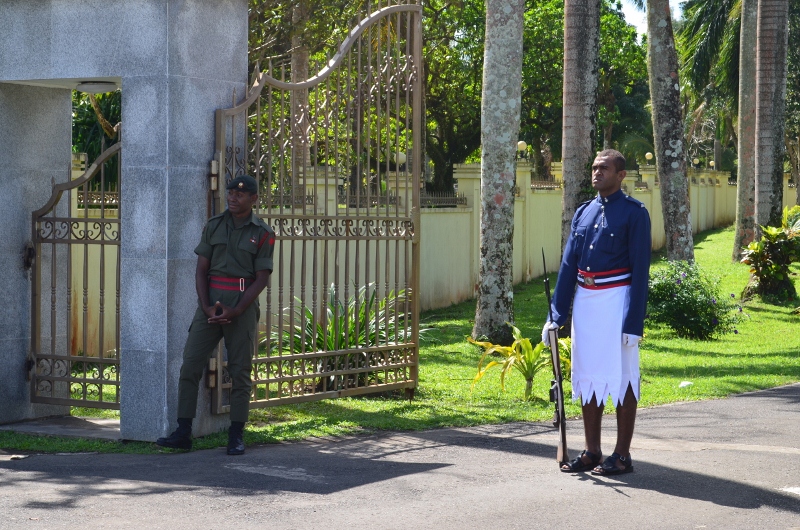
In contrast, we drove through roads where the President, Chief Magistrate and Attorney-General had lovely big houses surrounded by beautiful gardens, tended by prisoners from the local jail. We also passed Government House, residence of the Governor-General. Every two hours, the armed military sentry is changed and our guide we were told that having a photo taken with him was fine as long as we did not touch him or speak to him.

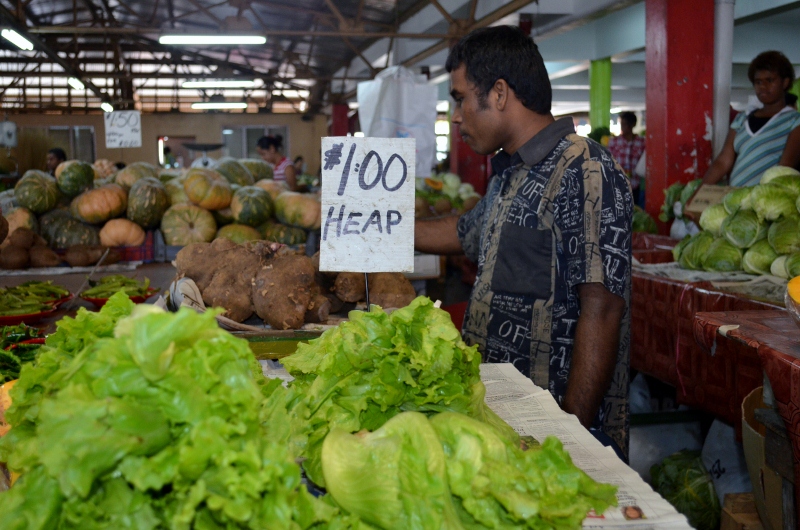
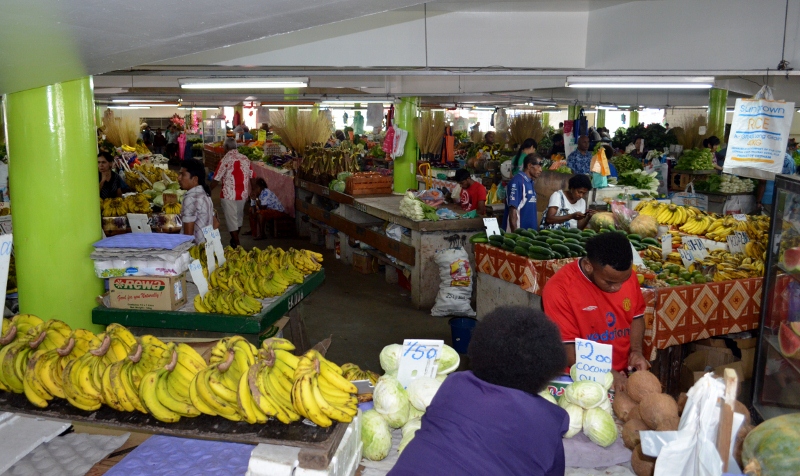
Once back from our bus tour, it was interesting to take a stroll around the shops and then through the market to see the colourful fruits and vegetables, spices from India and many karva stalls.

What I remember most about Fiji is the warmth and friendliness of the people; lots of smiles and waves and greetings of “Bula” met us wherever we went.

Suva

Suva

Sea Princess FIJI (Suva) 056 (800x530)

Sea Princess FIJI (Suva) 016 (800x518)

Sea Princess FIJI (Suva) 019 (800x469)

Roadside stall

Roadside stall

Police Dog Unit

Police Dog Unit

Guess where the restroom stop was!

Guess where the restroom stop was!

Sea Princess FIJI (Suva) 046 (800x530)

Government House

Government House

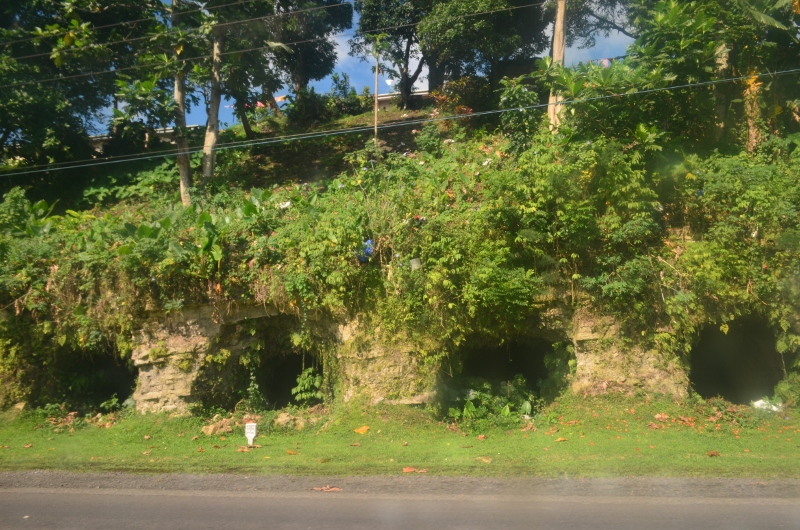
Safety tunnels dug during WWII which were never used

Safety tunnels dug during WWII which were never used

Market place

Market place

Sea Princess FIJI (Suva) 064 (800x476)

Sea Princess FIJI (Suva) 075 (800x530)

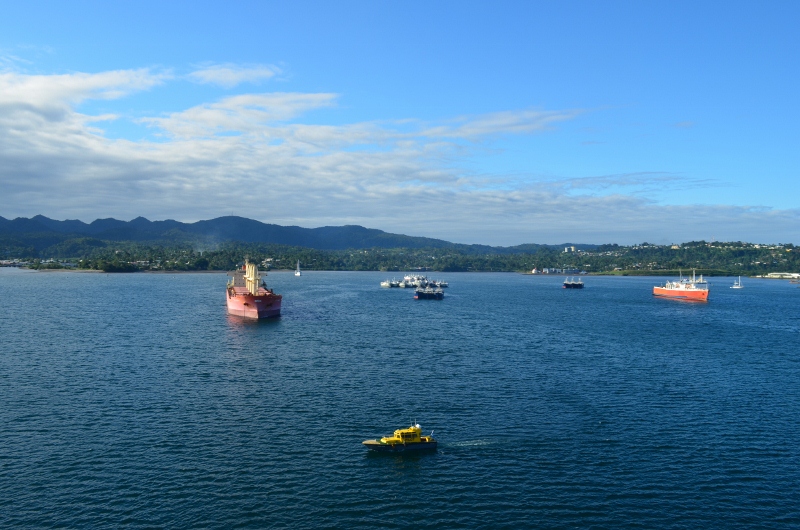
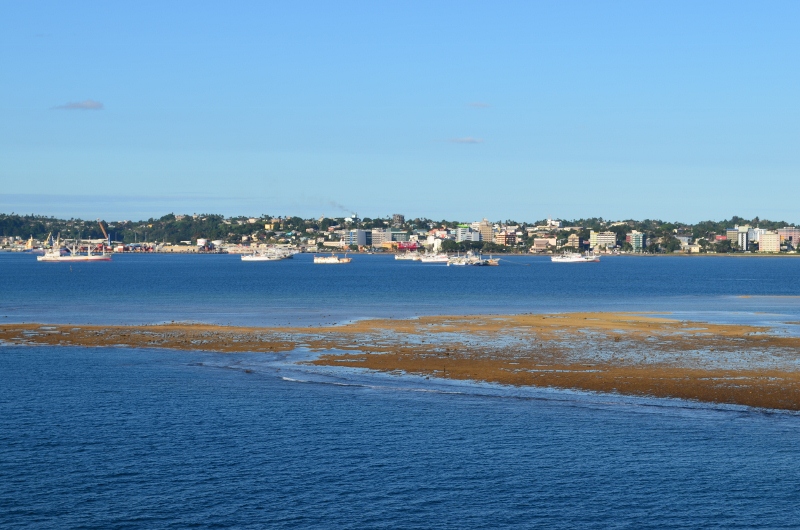
Negotiating the shallows as we left the harbour

Negotiating the shallows as we left the harbour

Sea Princess FIJI (Suva) 087 (800x530)

Postcard from Pago Pago – American Samoa

Fri, August 23

I woke up early this morning, looking forward to our arrival in Pago Pago, interestingly pronounced Pango Pango! When I walked out on the promenade deck, it was magic. The sun was just rising and the ship was silently making her way into a beautiful sheltered harbour where jungle clad mountains rise abruptly out of the seas. The only sounds to be heard were the waves gently lapping against the sides of the ship and some crowing roosters announcing the start of another beautiful day.

American Samoa is made up of five volcanic islands, located halfway between Hawaii and New Zealand, and when the seaward wall of a great volcano collapsed it created one of the best, most spectacular natural harbours in the South Pacific.

We had no plans for the day, other than to have a swim, so after breakfast we set off and immediately got caught up in the vast expanse of market stalls next to the ship. Promising ourselves that we would explore them later, we only had a 5 minute walk to the downtown area. After a brief check of the local shops, we continued on our way and were immediately picked up by one of the local buses (and I use the term “bus“ loosely) to be taken to the $2 Beach for a fare of $2!

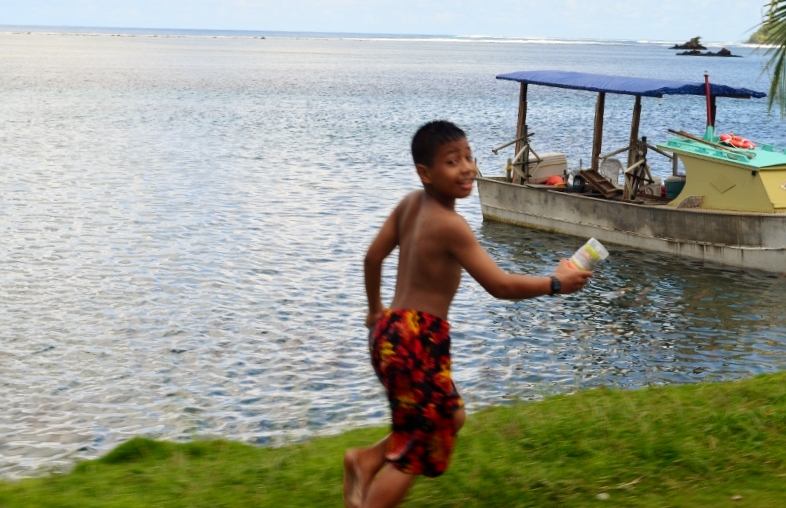
Many of the island villages are situated on small, quiet bays and coves along the coast. There are many inviting beaches to be seen, but the lands belongs to the families and so are privately owned, which is why the beach we went to is called $2 Beach – that is how much it costs to use it. There was a bar next to the beach, so with a cold drink in hand we spent the next few hours swimming in the crystal clear waters and relaxing on deck chairs in the shade of palm trees. There are many dogs on the island and one slept in the shade nearby, whilst children played ball behind us or frolicked in the water.

Back up on the road again, another bus came along in a matter of minutes and for a fare of $5, took us halfway around the island and then back to the ship. There is nothing like riding on one of the local buses – timber bench seat and air conditioned – meaning no windows! The driver gave us an interesting trip, even stopping so that we could take photos, completely ignoring the double yellow lines by weaving back and forth on to the wrong side of the road so we had the best views of the coast. Hey, we were in laid-back Samoa – no problem!

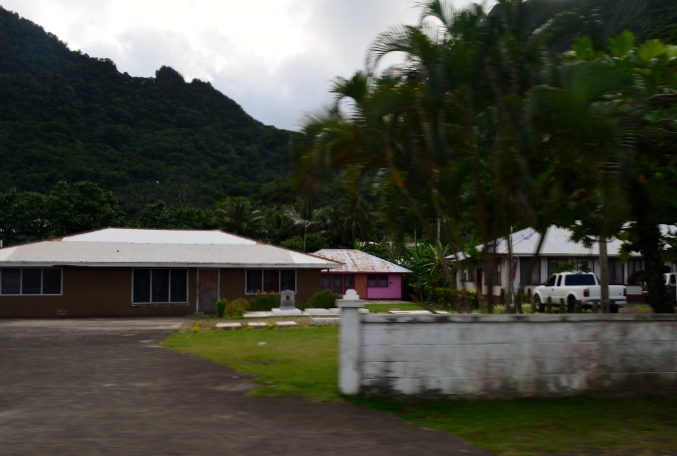
Along the way, we noticed houses grouped together around a central open sided meeting place – the culture of the extended family is very strong here. There are no cemeteries – graves are placed in front yards, some under shelters with the washing hanging overhead, and I saw several graves that were situated on the front verandahs of some houses.

Back at the markets, there were many beautiful sarongs, clothing and a vast array of local crafts, such as woven baskets, bags and mats made from the leaves of the Pandanus tree. Also nicely carved wooden items and jewellery. Duty-free shopping was an added attraction.

My impression – you will find no five-star hotels or fancy name retail outlets here; but if you just want to give yourself up to the beauty of this island, you will not be disappointed. If we come back again we’d only change one thing. Next time we will go up-market, and instead of the $2 Beach, we will go the $5 Beach, where there is a restaurant as well as a bar!
Sea Princess Samoa (Pago Pago) 002 (800x530)

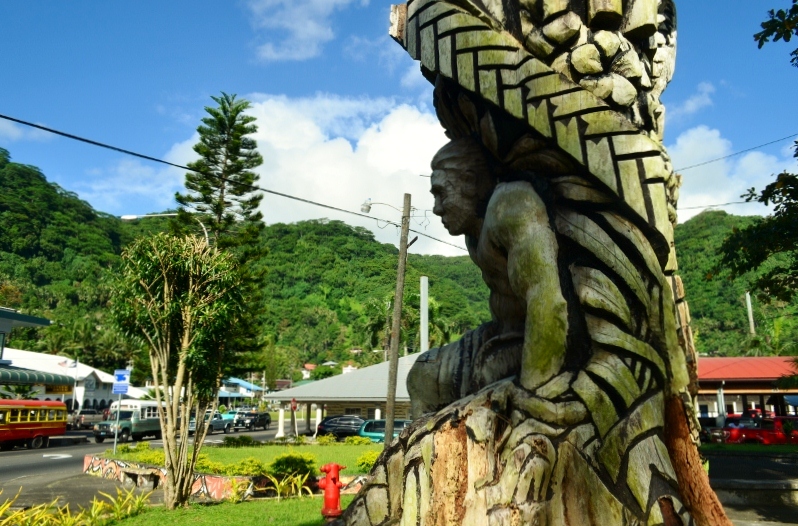
A living tree - beautifully carved

A living tree – beautifully carved

Sea Princess Samoa (Pago Pago) 012 (800x530)

Sea Princess Samoa (Pago Pago) 014 (800x530)

A grave in the front yard

A grave in the front yard


Sea Princess Samoa (Pago Pago) 029 (800x530)

$2 Beach

$2 Beach

Sea Princess Samoa (Pago Pago) 041 (800x530)

Sea Princess Samoa (Pago Pago) 046 (800x530)

Sea Princess Samoa (Pago Pago) 083 (800x530)

The "bus"

The “bus”

Sea Princess Samoa (Pago Pago) 015 (800x530)

Sea Princess Samoa (Pago Pago) 142 (800x530)

Sea Princess Samoa (Pago Pago) 145 (800x530)