Torshavn, Faroe Islands

Thurs, July 18

This morning we woke up to heavy fog and could barely make out the outline of the Faroe Islands. Unfortunately whilst we were at breakfast, the captain made the announcement that regretfully he has had to cancel the stop, due to 35-37 knot strong winds, making it too dangerous to try to manoeuvre the ship into such a narrow port. Also tendering was not an option due to the difficulties involved in trying to anchor in such deep water.

We had been looking forward to seeing the oldest wooden house in the world dating back to 900 A.D. as well as turf-roofed cottages and Norse buildings etc. So it was disappointing for many of us who had not been to this out-of-the-way port before.

The fog is now quite thick and there is not much visibility past the balcony railing (maybe not 50, but quite a few shades of grey!) and I can hear the ship’s horn sounding quite often now. So we continue on our way through the North Atlantic Sea on our way to New York.

Oslo, Norway

Tue, July 16

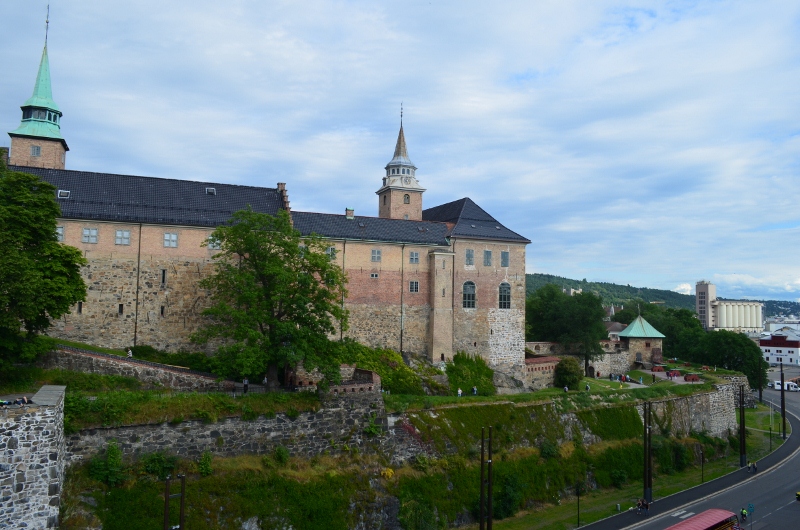
Today we were in Oslo, the oldest Scandinavian capital and Norway’s largest city. It is located around part of a beautiful fjord, 60 miles from the sea and it was very picturesque indeed, as we sailed in to the harbour. We berthed right next to Akershus Fortress and so had the city right at our door.

After a late arrival at 10.00am we left the ship for what we thought was an appropriate tour of the famous Viking Ship Museum, Vigeland Sculpture and Ski Jump.

En route, we heard how Norway was drawn into WWII and how proud the Norwegians are of the work done by their heroic resistance fighters. We also found out that our ship sailed very near the spot where the German cruiser, Blucher, was sunk by torpedoes fired from the Oscarborg fortress, which delayed the Nazi occupation.

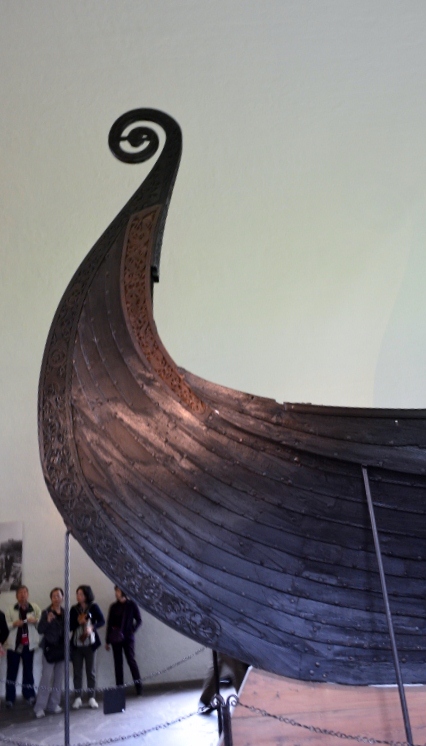
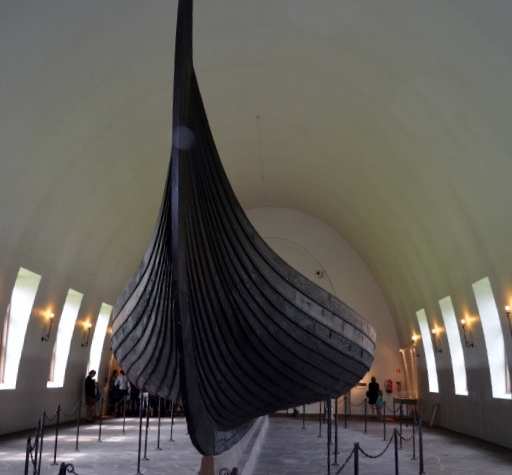
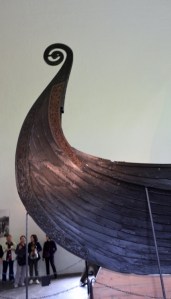
At the Viking Ship Hall in Bygdoy, there are three Viking ships to be seen, discovered in 1867, 1880 and 1904 which were all built around 800-900A.D. The ships were very large and it was amazing to see their construction close-up, taking in the high standard of craftsmanship and ship building, when you think that they had to be strong enough to withstand a storm in the North Sea and to be manoeuvrable, yet light enough to be hauled across long distances on land, where necessary.

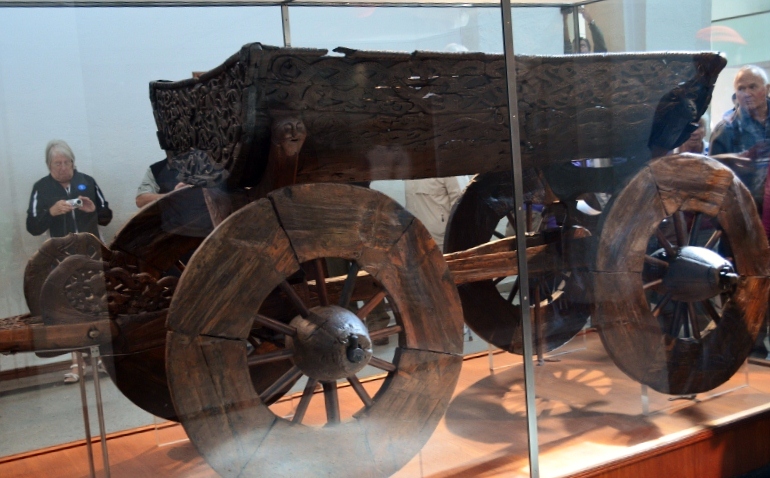
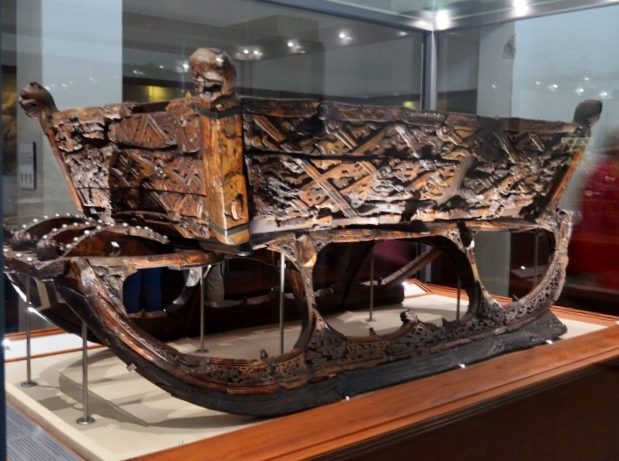
These ships were eventually used as tombs for noblemen who were buried with jewels, food and furniture for the afterlife, and although grave robbers had taken jewellery and disturbed the burial chambers, possibly in the Middle Ages, there has been a wealth of equipment and grave furniture recovered which is also on display, including a cart and three sleighs, all of them richly decorated with wood carvings.

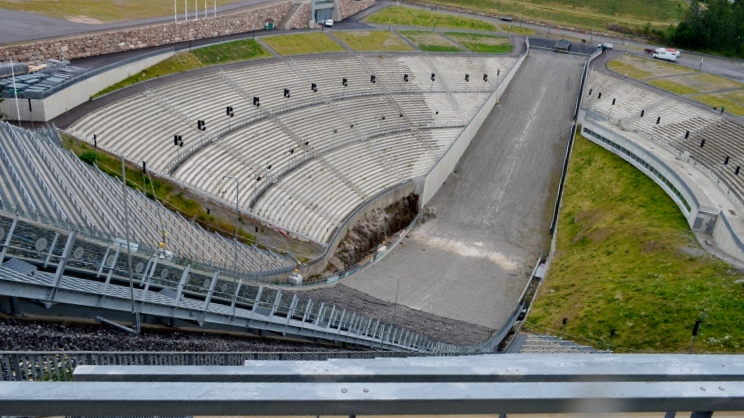
The next stop was up to Holmenkollen, the cradle of Olympic ski jumping and the site of the 1952 Olympic competition. We really don’t much about ski jumping, but it was still quite interesting to see. It was rebuilt four times and has big side walls because of the strong winds that they get there.

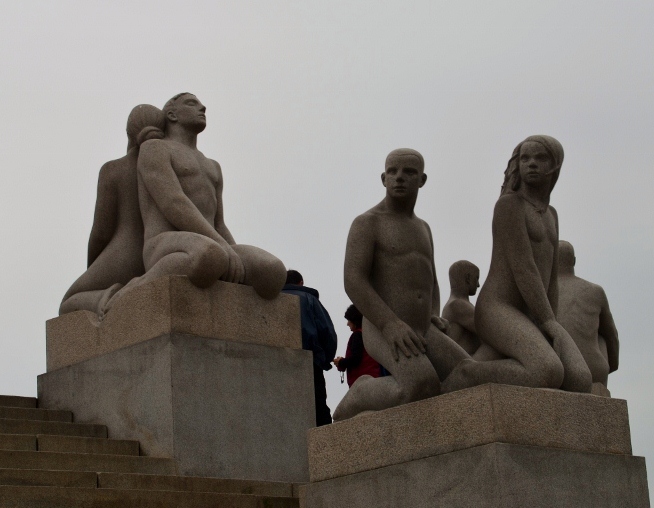
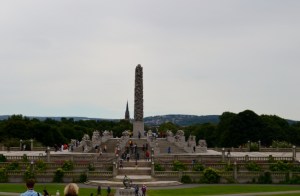
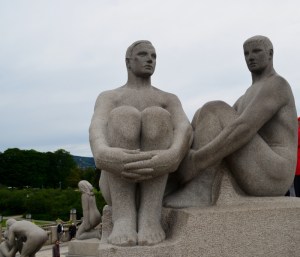
The Vigeland Sculpture Park was one attraction that is a “must-see”; Sculptor Gustav Vigeland has created and displayed some 200 statues, some of them huge. These works in granite, wrought iron and bronze depict the many stages and episodes of human life, and amazingly he devoted about 40 years of his life on these works.

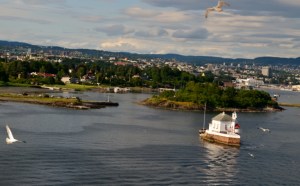
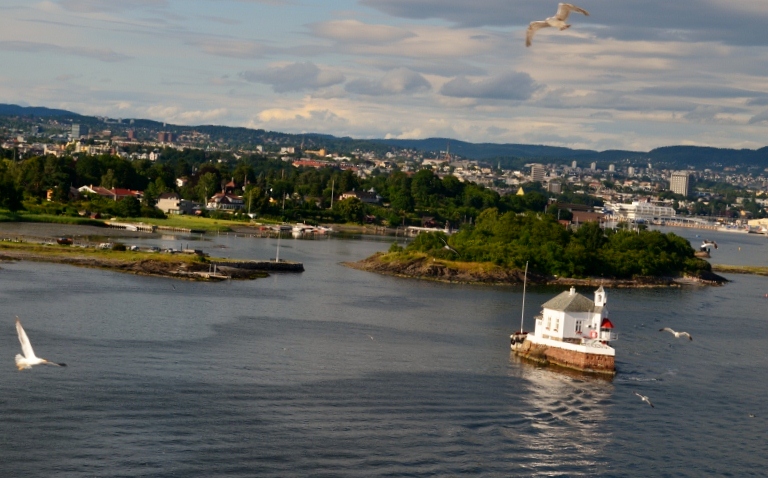
As we were leaving, as flocks of seagulls followed the ship swooping down to catch some fish, we passed a tiny island with a charming little restaurant. What a nice place to have dinner!
Fortress
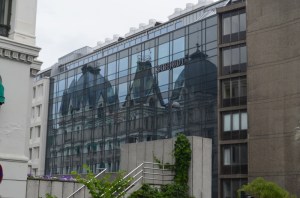
Fortress

sea princess Oslo Norway 168 (800x530)

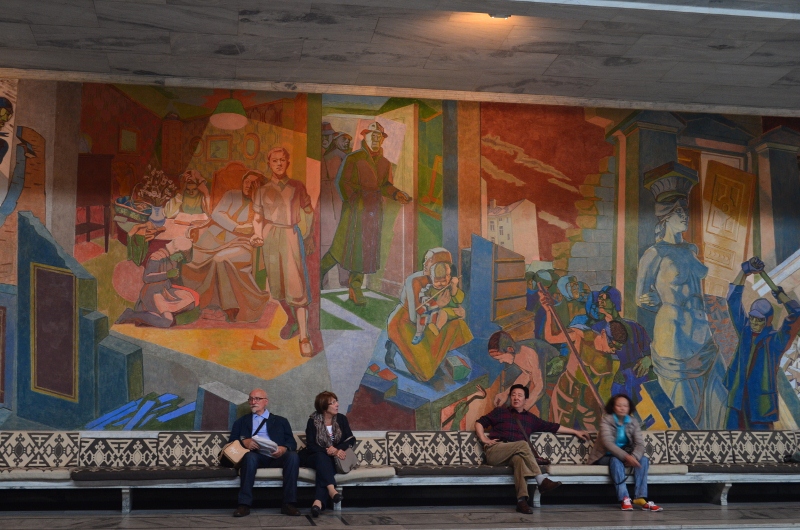
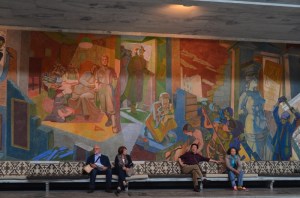
Mural inside City Hall where the Nobel Peace Prize is given
Mural inside City Hall where the Nobel Peace Prize is given

Viking ship museum

Viking ship museum
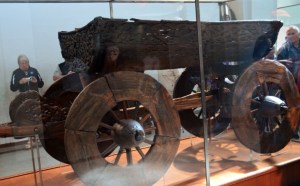
Viking ship museum
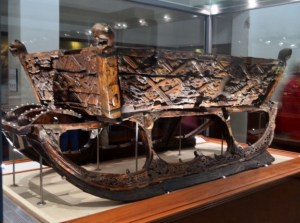
Viking ship museum

Viking ship museum

Viking ship museum

Viking ship museum

Viking ship museum

Ski jump at the half way point looking down
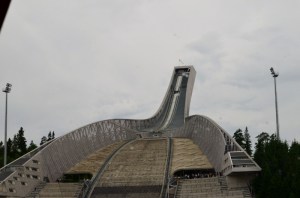
Ski jump at the half way point looking down

Looking up to the top of the ski jump
Looking up to the top of the ski jump

Sculpture park.  An amazing column of human figures
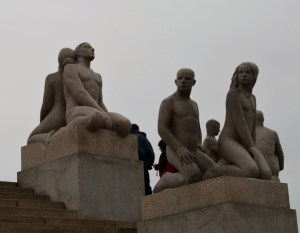
Sculpture park. An amazing column of human figures
sea princess Oslo Norway 114 (800x530)

sea princess Oslo Norway 120 (800x687)

Lttle restaurant on the island
Lttle restaurant on the island
Rotterdam, Netherlands

Sat, July 13

Having been in Amsterdam last year when we visited a working windmill, our choice this time was to tour the The Hague and the Delft factory.

Rotterdam was heavily bombed in 1940 resulting in the medieval heart of the city being almost totally burned to the ground. So in contrast to many other cities in Europe with very old buildings, the inhabitants of Rotterdam are very proud of their modern ones.

En route, we passed lowland countryside dotted with farms, flower fields, cattle and sheep. We only saw a few windmills and we were told that diesel pumps move water nowadays and consequently, many windmills were destroyed. However the remaining ones are now protected as a symbol of Holland’s past.

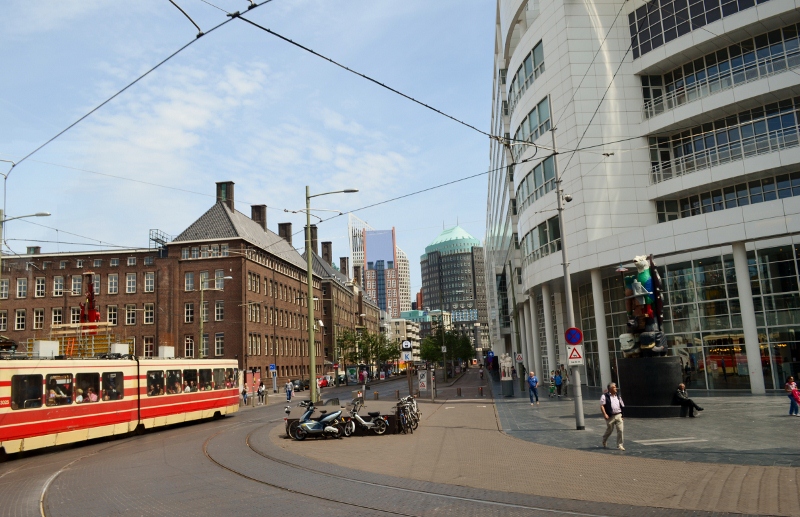
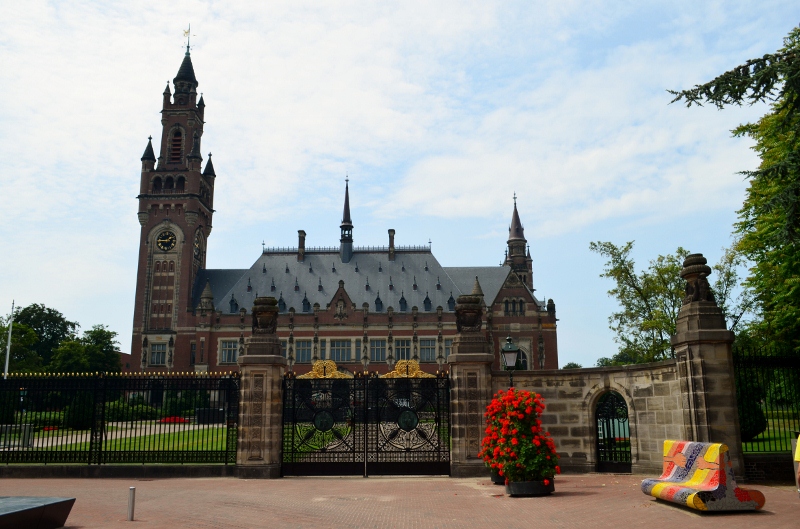
Our coach took us to The Hague, which is the seat of government even though Amsterdam is the capital. The Hague is also the principal address of the Royal family and the United Nations International Court of Justice. We stopped to see the Peace Palace built in 1913.

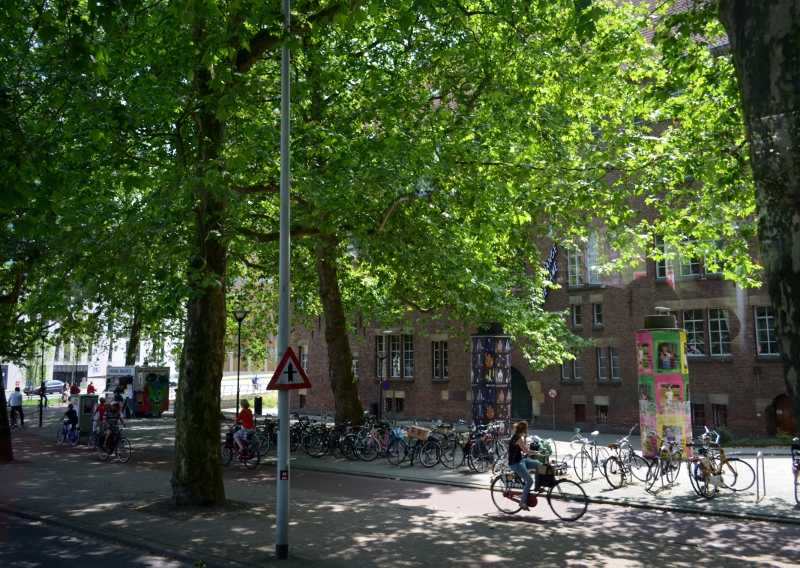
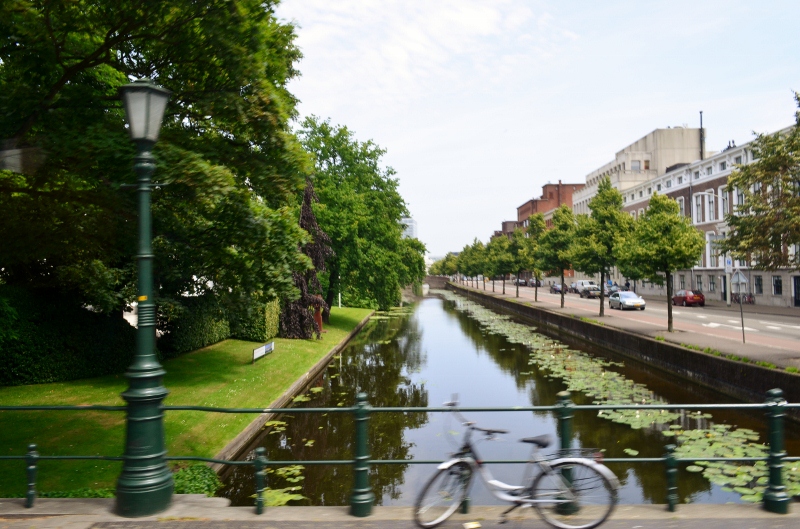
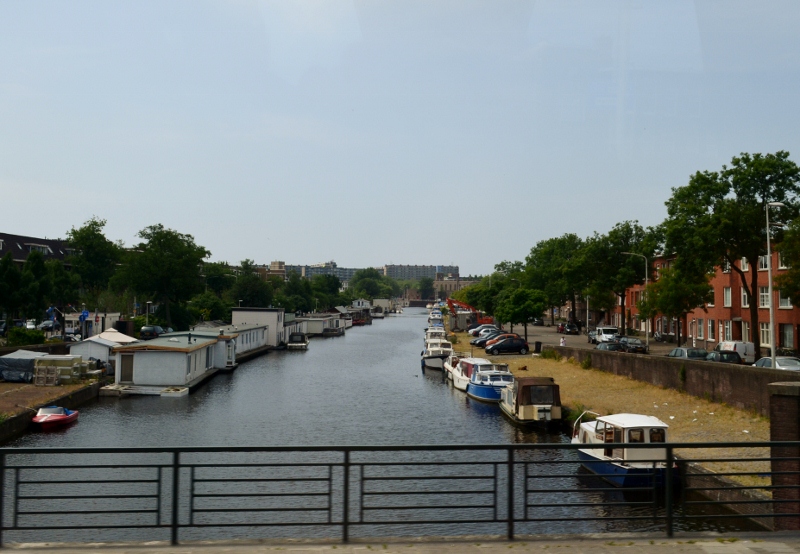
Along the way to Delft, we saw many people on bicycles, which is a favourite mode of transport. Bicycle paths are everywhere and can be identified by their red paving. Only bikes and motor scooters are allowed to use them and they have their own sets of traffic lights. They have right of way over pedestrians and bike helmets are not compulsory. Boats are to be seen along all the canals and permanent house boats are lined up along the banks. Everyone who has a boat pays water tax by the square metre according to the size of the boat.

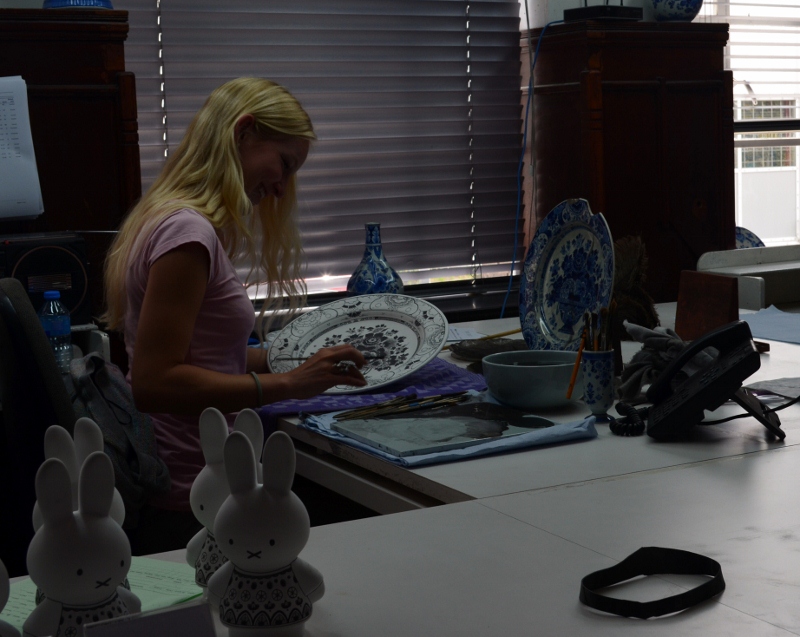
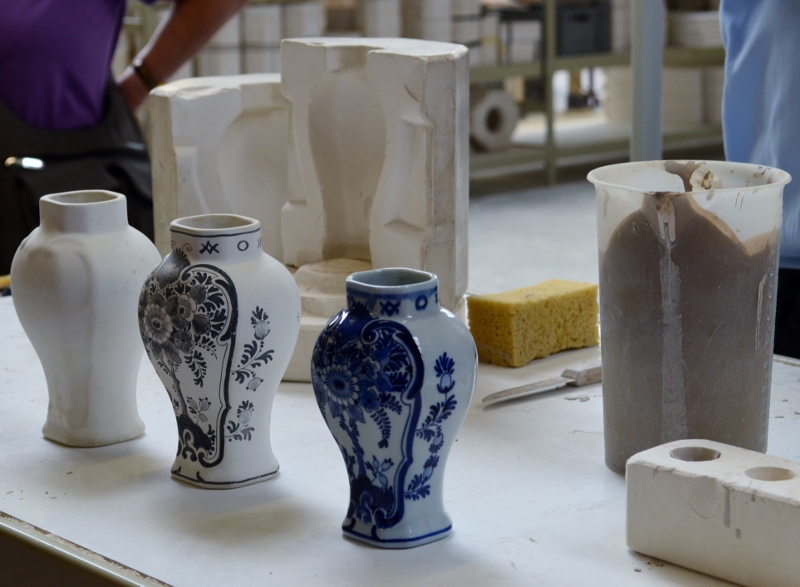
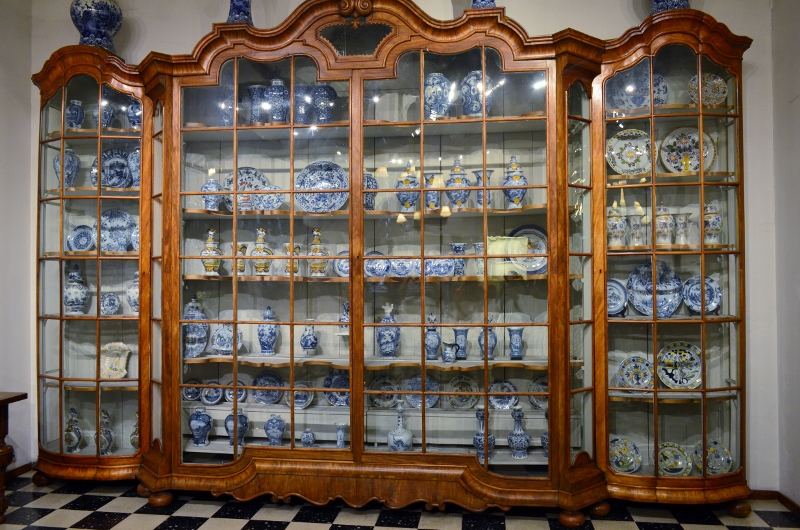
We were given a guided tour of De Porceleyne Fles (Royal Delft Factory) and it was very interesting to see a painter at work on a plate, which is a 10 year apprenticeship. Two types of porcelain are produced – hand painted or by transfers. In the case of the transfer, it is applied to the article and when it is baked at approx 1160oC, the transfer melts on to it. We saw examples of both and it wasn’t easy for an untrained eye to spot the difference; but it is quite evident when you go to pay in the gift store which one is done by hand!!

On a different subject, it has been interesting to see how the oceans have changed colour – we have gone from light green around Dubai followed by the sparkling sapphire blue of the Mediterranean to a curious navy/black colour in the North Sea.

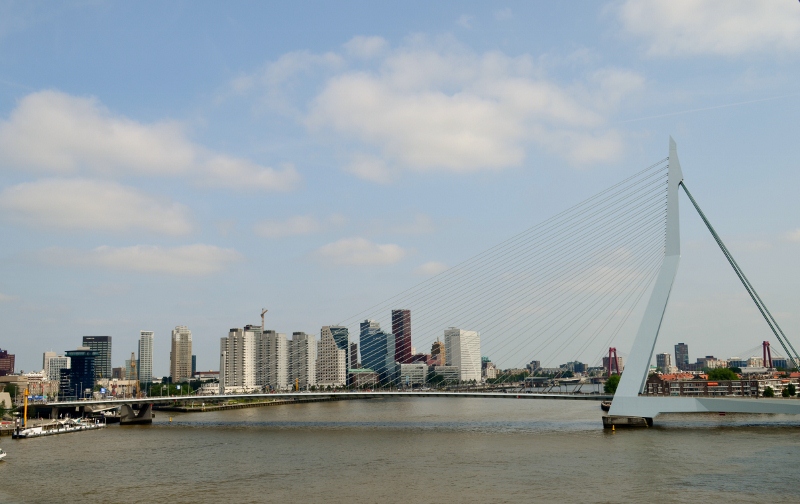
View of Rotterdam from the ship

View of Rotterdam from the ship

Sea Princess Rotterdam (Delft) Netherlands 016 (800x568)Sea Princess Rotterdam (Delft) Netherlands 050 (800x517)Sea Princess Rotterdam (Delft) Netherlands 060 (800x529)
Peace Palace

Peace Palace

Boats on the canal - houseboats are moored on the left hand side

Boats on the canal – houseboats are moored on the left hand side

Delft factory

Delft factory

The mould and various stages in producing porcelain

The mould and various stages in producing porcelain

Sea Princess Rotterdam (Delft) Netherlands 095 (800x530)
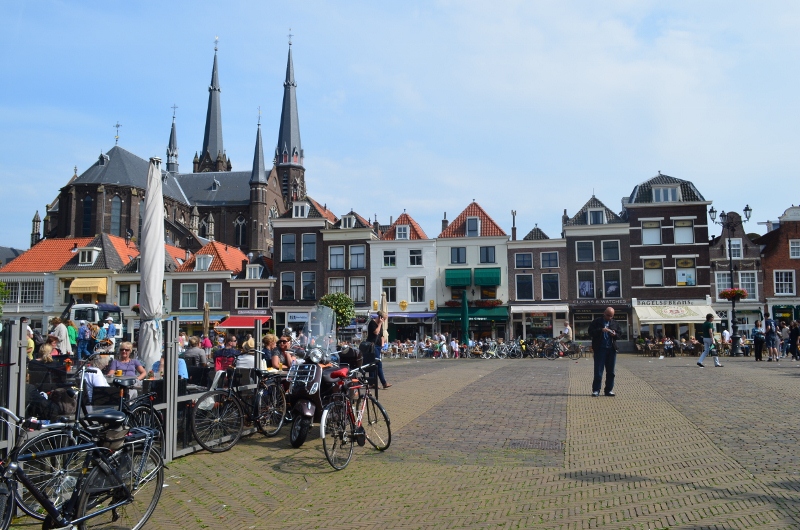
Delft

Delft