Do You Know the Way to San Jose?

Sun, August 4

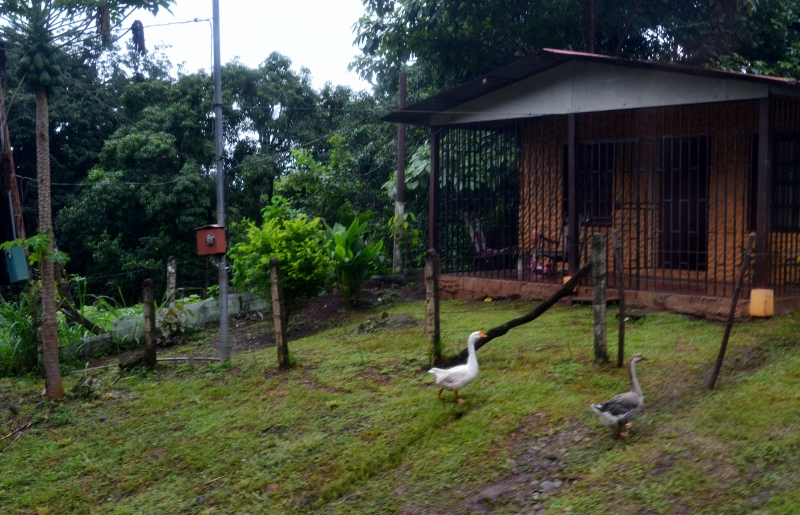
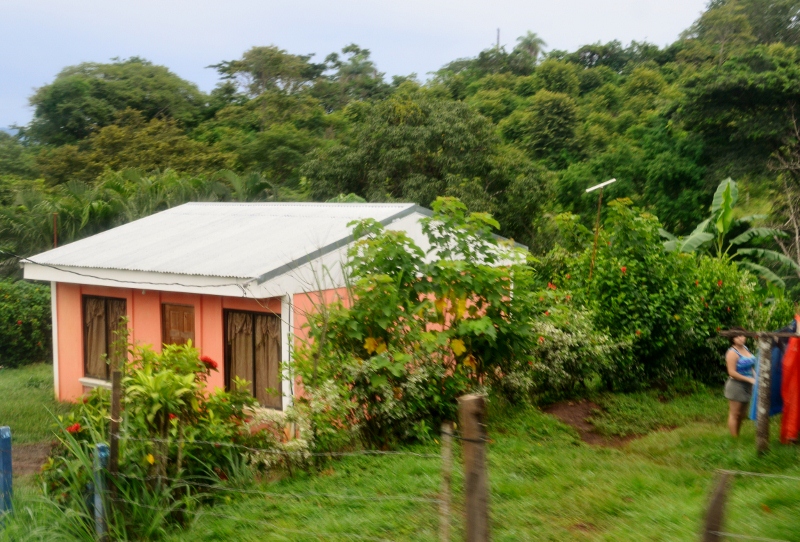
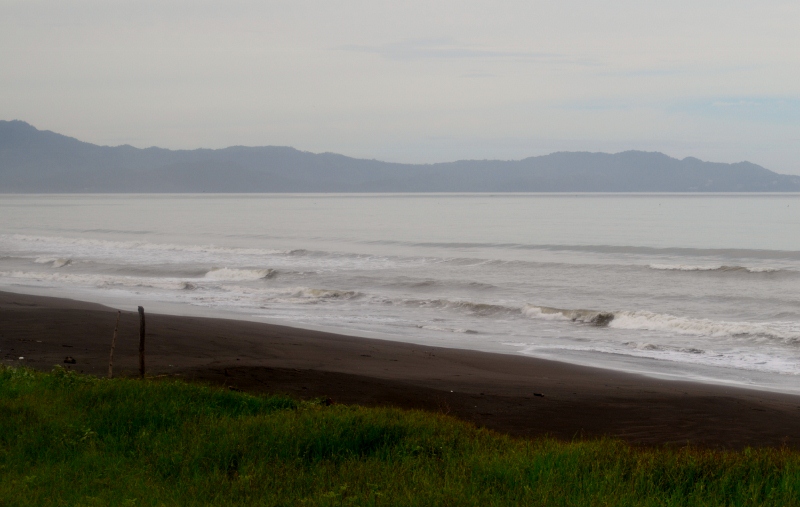
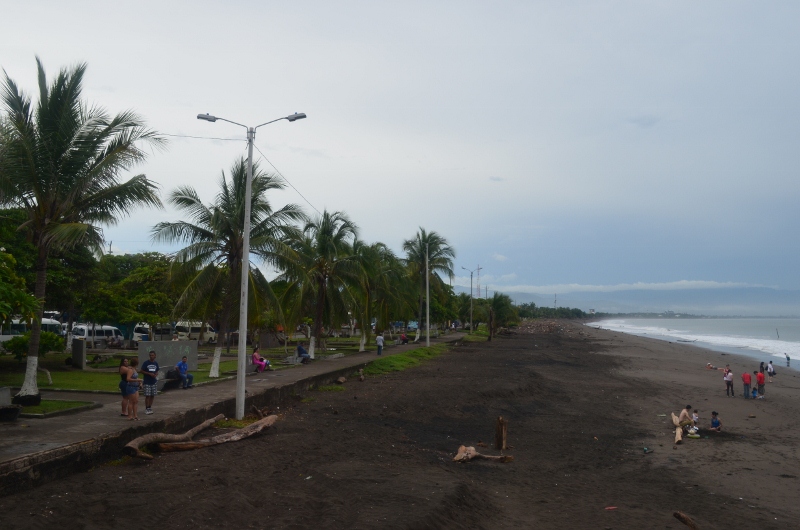
Yes we do – but we didn’t go there today. The capital of Costa Rica is situated about 70 miles from where the ship berthed in the city of Puntarenas, so instead we boarded a coach which took us on a very scenic drive through the countryside. There are a great number of volcanoes which accounts for the black sand on the beaches; the untamed jungle was green and lush, and I could imagine that if left untended, it would easily claim back the roads we travelled on. Many people waved to us as we passed by and then it was time to transfer to a boat on the Tarcoles River, which sits at the Guacalillo Estuary.

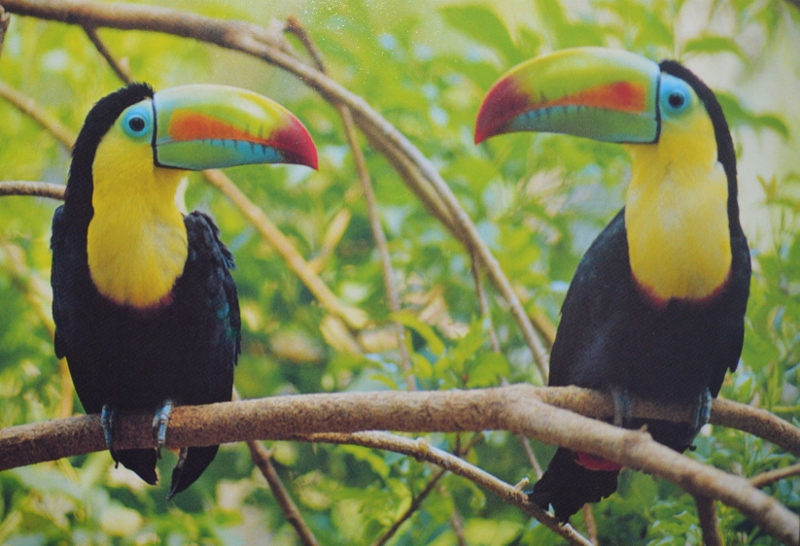
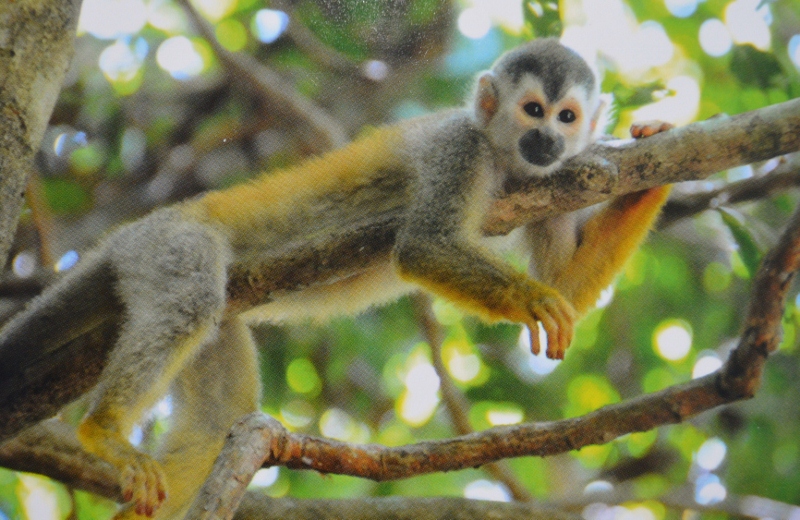
Our guide took us on a two hour cruise, patiently stopping and often turning the boat around to give everyone the best views of the many species of birds that make their home in the mangroves. The estuary is home to one of the biggest crocodile colonies in Central America, however on this occasion we only saw one! We did see a family of monkeys high in the canopy, a young hawk and several different species of waterfowl. We were pleased that we had our binoculars and thought half the fun was spotting something moving in the mangroves or the trees and then trying to work out what it was!

Of course, the downside of such a tour is that most of the wildlife is seen from a distance and it is often difficult to get good photos, especially through the thick foliage of the rainforest. So now I have to ‘fess up and admit that I had to cheat a little to get some close ups of the monkey, birds and iguana!

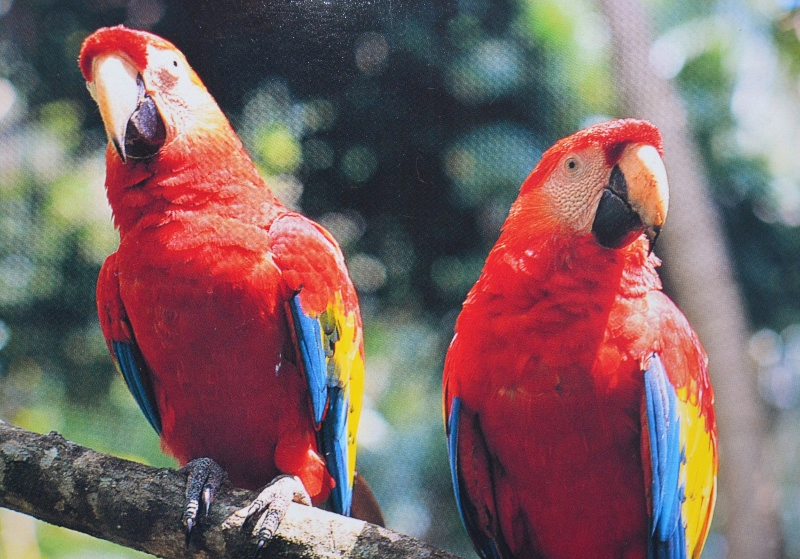
Anyway, we were all excited to see several pairs of Scarlet Macaws, one of the most endangered species in the tropics, and it was wonderful to see them in their natural setting. Both male and female have the same brightly coloured feathers, red, blue and yellow, very noisy and we spent some time watching them sitting together and preening each other and one was even stretching out his wing to put around his mate.

Eventually we made our way back to the boat station, where we enjoyed a delicious buffet of fresh fruit which included pineapple and watermelon, and of course, we had to try a complimentary glass of the local beer, Imperial (based on a German recipe, we were told) before heading back to our ship.

Costa Rica is a developing country where tourism seems to be surpassing exporting of coffee, pineapple, bananas and Intertel microchips, Ticos (the locals) who were previously farmers are now hotel owners, tour guides or waiters Most houses are small and square and have only two bedrooms. All properties are fenced to keep out the Brahman cows which will walk right into houses if they are left open. People are friendly and very family-oriented. There is a very low unemployment rate (which is just as well as there is no social security) but everyone is well educated and our guide told us that a typical Sunday consists of everyone going to church (mostly all are Catholic) then the afternoon is spent with family and friends, eating, drinking and everyone (including the women) plays football.

If you don’t like the taste of strong coffee you would probably not like the local coffee – but we thought it was pretty good. We were tempted to buy a bag of coffee beans to take home but decided against it in case we had a problem with Australian Customs. However, our tour guide told us that a cup of real Costa Rican coffee is not far away when we are back home – just go to Starbucks!
Sea Princess Costa Rica 005 (800x530)

Sea Princess Costa Rica 017 (800x515)

Sea Princess Costa Rica 019 (800x542)

Black sand beaches

Black sand beaches

Eco Jungle Cruise
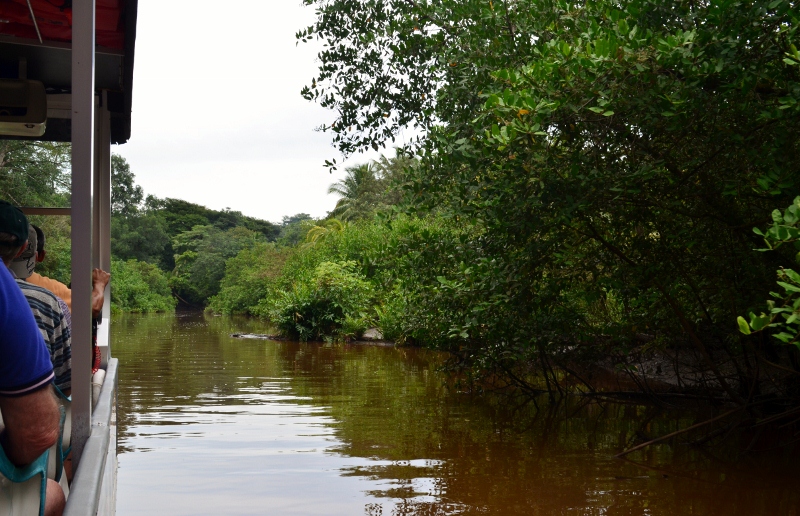
Eco Jungle Cruise

Sea Princess Costa Rica 034 (800x516)

xxx 001 (800x559)

xxx 002 (800x546)

xxx 003 (800x520)

xxx 005 (800x558)

Imperial - Costa Rican beer

Imperial – Costa Rican beer

Sea Princess Costa Rica 110 (800x483)

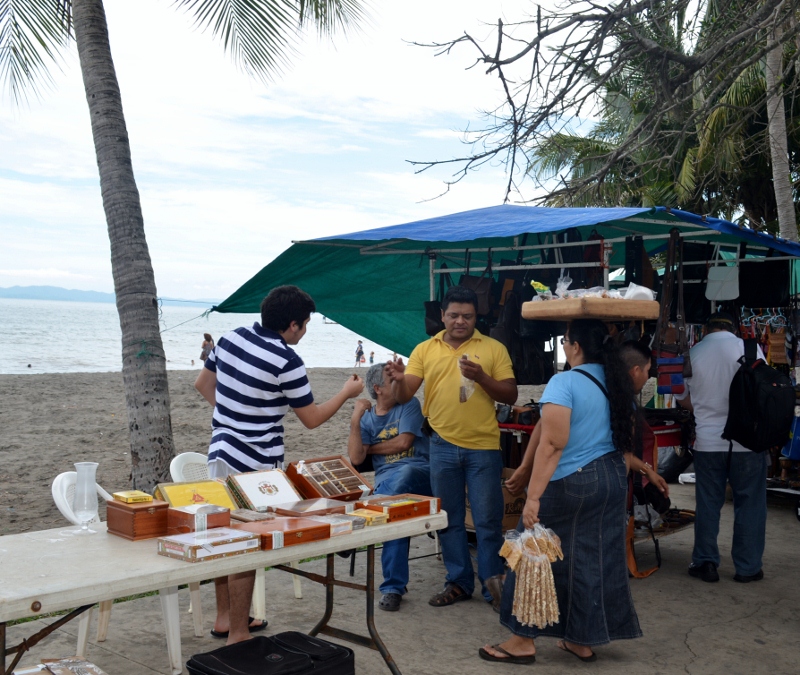
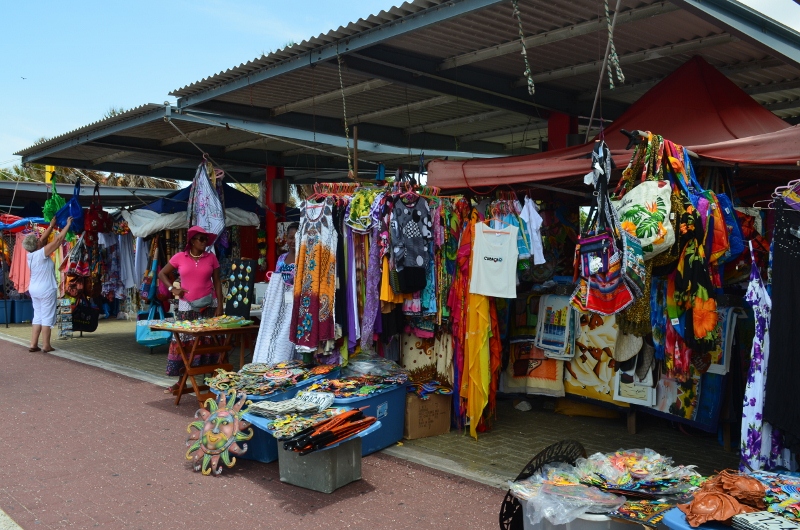
Local market

Local market

Sea Princess Costa Rica 117 (800x530)

Sea Princess Costa Rica 118 (800x522)

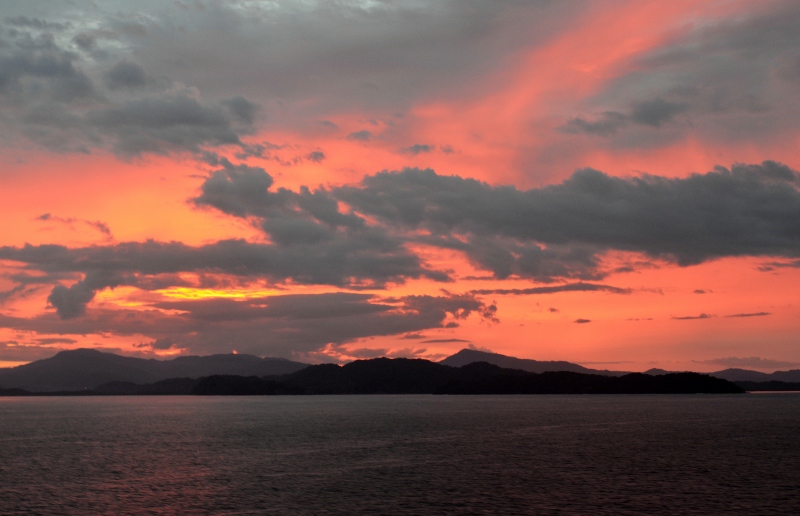
Nothing beats watching the sun set from the deck of a ship!
Nothing beats watching the sun set from the deck of a ship!

Panama Canal

Fri, August 2

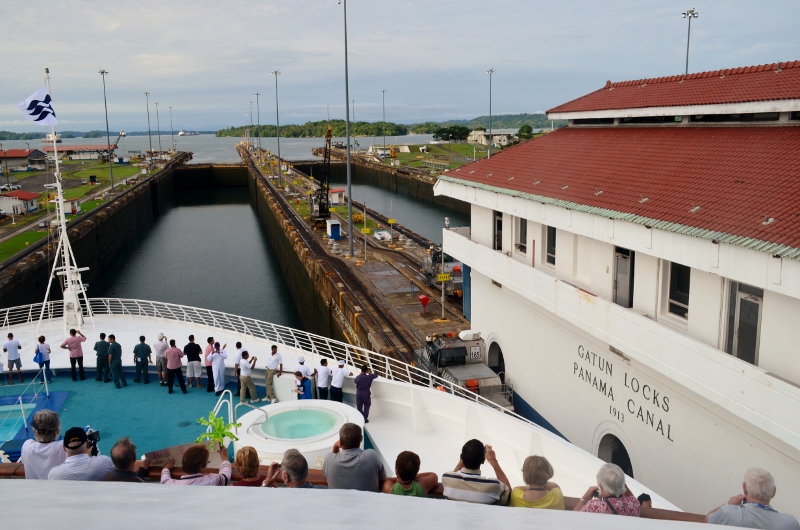
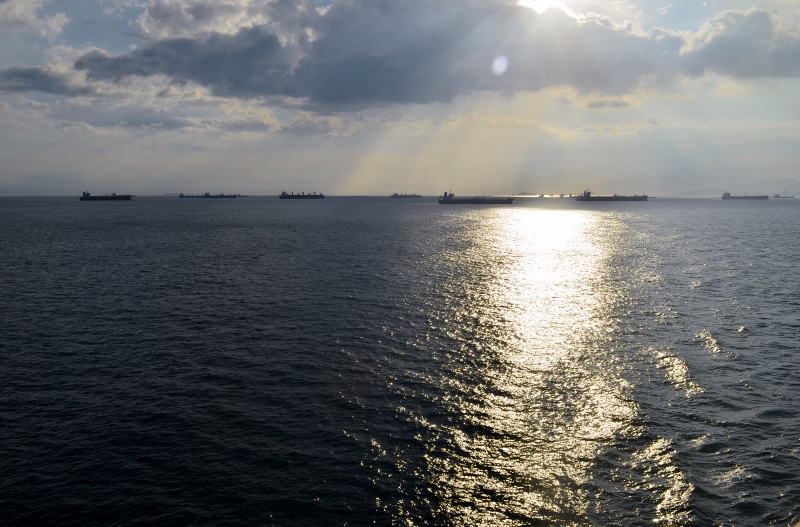
This morning we were awake early and saw many vessels at anchor, waiting for passage through the canal. At 5.15am the pilot came onboard and we were pleased to find out that passenger ships get priority, so we had a smooth run right through, although it did take about 9-1/2 hours from the first lock to the Bridge of the Americas.

The weather was quite warm at about 30oC, with sunrise at 6.10am and sunset at 6.41pm. We have a television channel with a bridge camera 24/7, but the canal is such an awe-inspiring construction that we spent most of the day outside as we didn’t want to miss anything. At one stage I closed my eyes and nearly went to sleep standing at the ship rail, so it was quite a tiring day but a very interesting one.

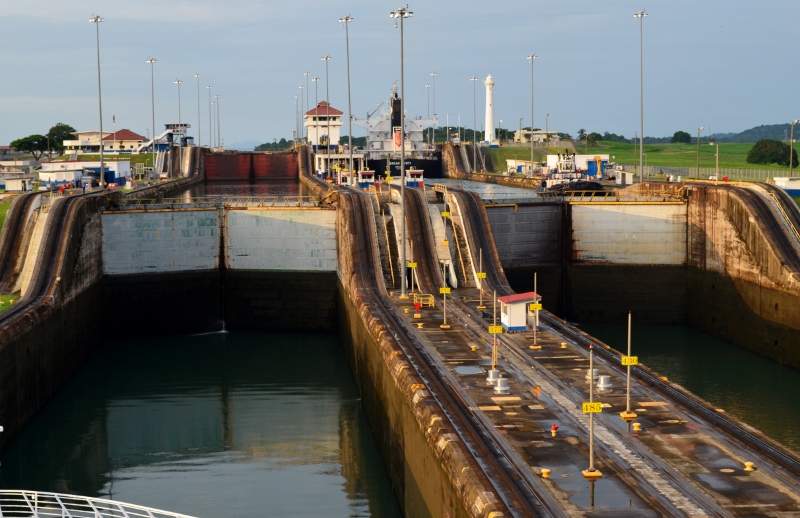
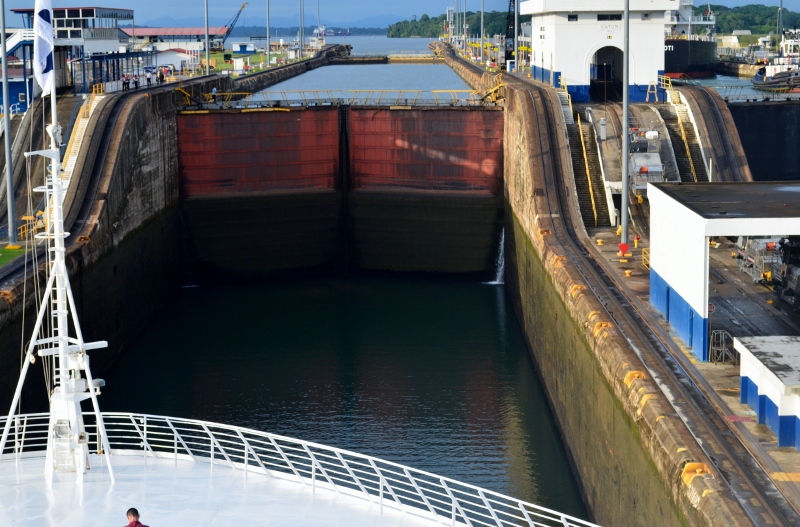
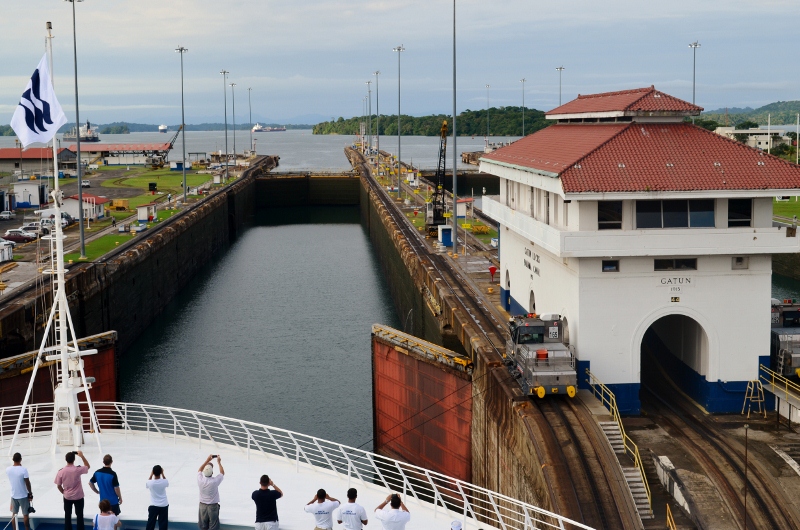
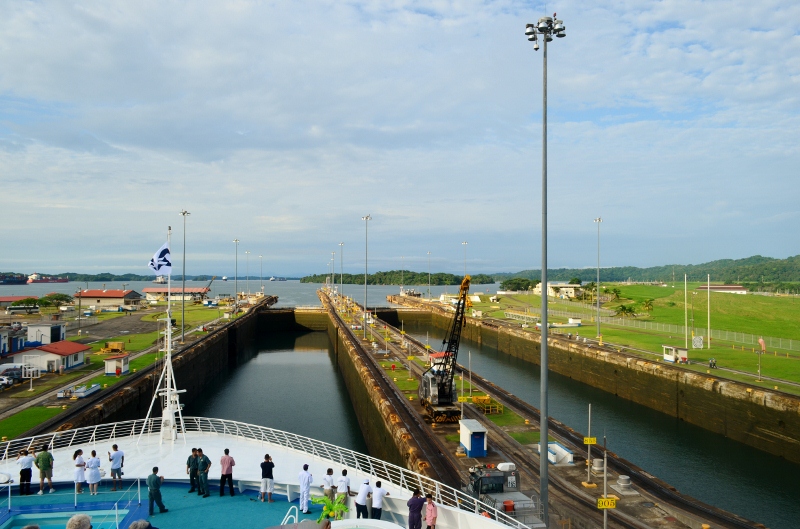
As we approached the first lock, electric locomotives known as “mules “attached themselves to the ship with steel cables and manoeuvred the ship into a central position whilst the gate closed behind us. The water used to raise and lower the vessels in each set of locks is obtained from Gatun Lake by gravity and poured into the locks through a main culvert system that extends under the locks chambers from the sidewalls and the centre wall. It seemed only a matter of minutes before the ship was at the correct level then the gates opened, the cables were released and the captain steered the ship to the next lock.

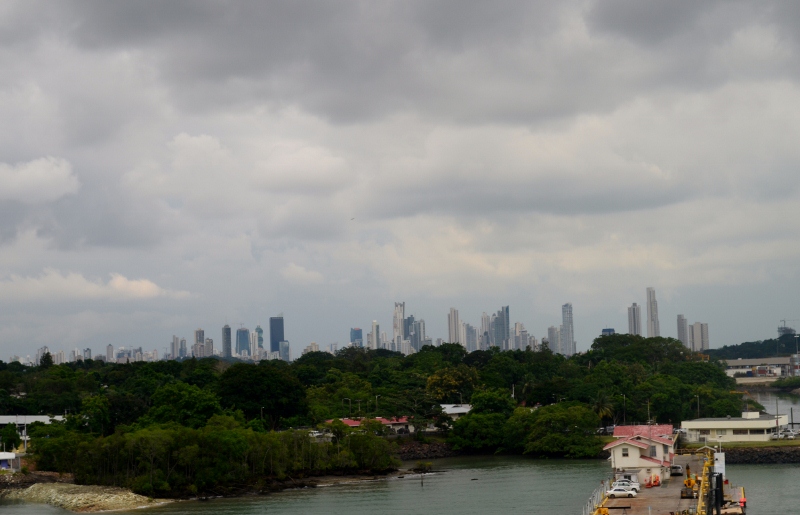
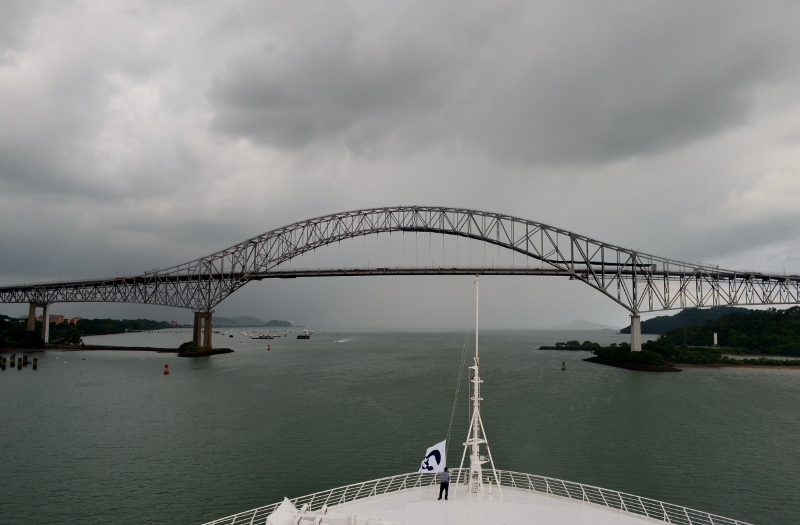
In total there were two lanes, each with two sets of locks; 3 on the approach to bring us up to the level of Gatun Lake, 26 metres above sea level, then two more where the process was reversed to bring the ship down to sea level. On exiting the canal we passed under the Bridge of the Americas and then our pilot disembarked. Off to the port side, we glimpsed the white skyscrapers of Panama City in the distance; so near, yet so far!

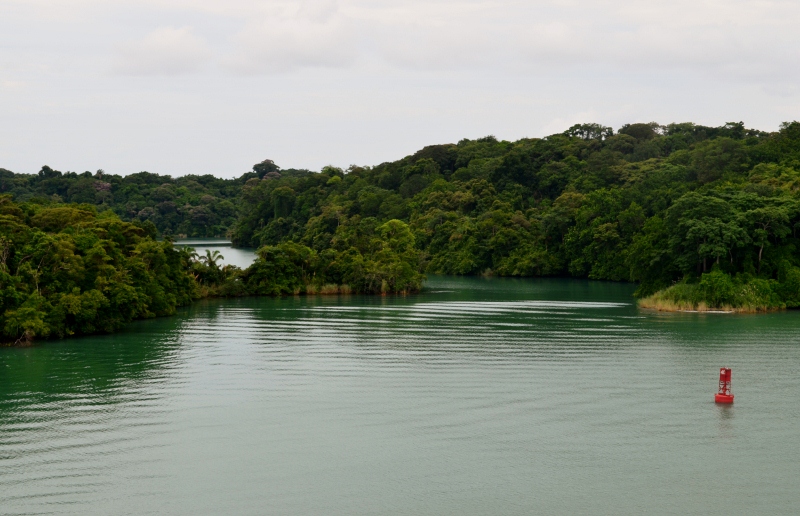
We saw dense tropical forests along the way, and sometimes the land was so close to the ship that we could hear the birds in the trees. The ship’s lecturer commentated all along the way, giving us many interesting facts about the history of the Panama Canal and also telling us about the monkeys, sloths and birdlife that live in the forests. I saw a small crocodile sunning itself on a bank not far from the ship, and although I managed to get a quick photo, it is hard to see it against the mud bank. I also noticed that the grass had been mown all along the sides of the canal, and found out that it isn’t done just to make it look neat, but rather to discourage snakes from coming too close to the canal.

The other interesting thing we noticed was the huge expansion program currently under construction, to add a third lane and a third set of locks which will allow the passage of ships with greater dimensions.

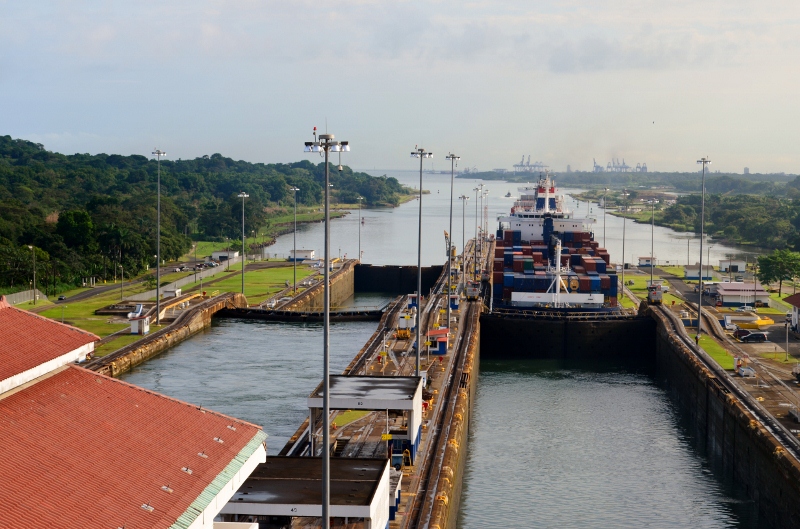
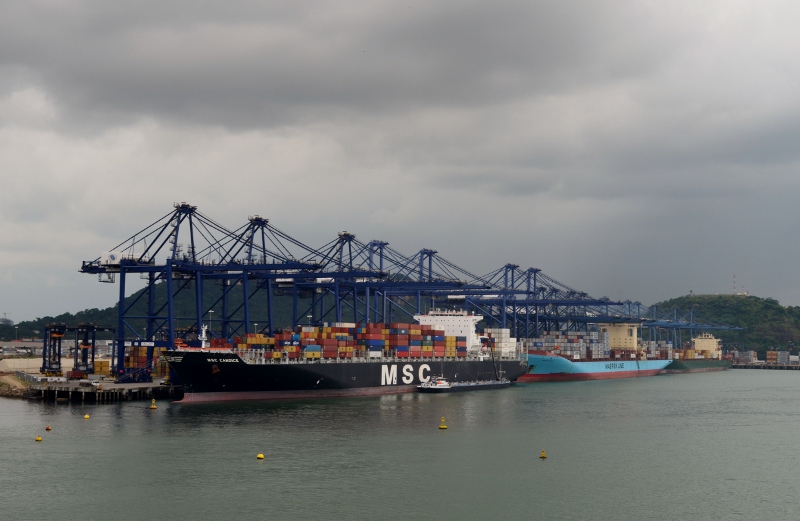
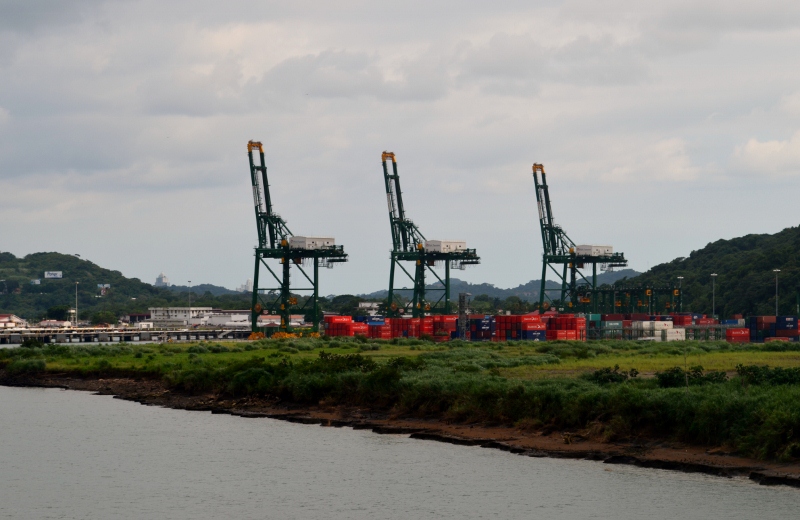
There is a huge container port near the Bridge of the Americas where container ships are loaded from the train which runs parallel to the canal. Some of these ships are too heavy to pass through and there is the cost to consider as well, so many of the ships unload their containers onto the train and collect them at the end.

Some interesting facts we learnt about this incredible feat of engineering: The Panama Canal took ten years to construct and was completed in 1914, although the project changed hands several times over the course of 400 years from conception to completion. Thousands of workers (up to 50,000 at one time) helped carve through 51 miles of earth and hard granite to link the Caribbean Sea to the Pacific Ocean. The cost to complete was over $350 million and cruise ships today pay over $100,000 to pass through.

Everyone agreed this was a wonderful experience and I believe that cameras at the locks recorded our passage on the Princess Facebook Page.

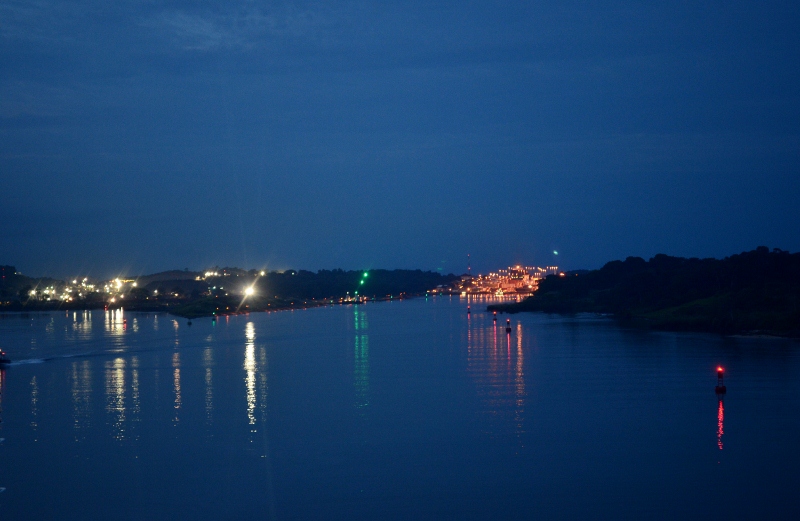
Our first sight of the canal before sunrise

Our first sight of the canal before sunrise

Sea Princess Panama Canal 009 (800x529)Sea Princess Panama Canal 018 (800x518)Sea Princess Panama Canal 030 (800x527)Sea Princess Panama Canal 046 (800x530)Sea Princess Panama Canal 051 (800x530)Sea Princess Panama Canal 053 (800x529)
View from back of ship as a container ship follows us

View from back of ship as a container ship follows us

View from our balcony as we make our way through the canal

View from our balcony as we make our way through the canal

Train taking containers to the end of the canal

Train taking containers to the end of the canal

Panama City

Panama City

Sea Princess Panama Canal 145 (800x521)Sea Princess Panama Canal 148 (800x520)
Bridge of the Americas

Bridge of the Americas

Ships at anchor waiting their turn to pass through the canal

Ships at anchor waiting their turn to pass through the canal

Caribbean :- Curacao

Wed, July 31

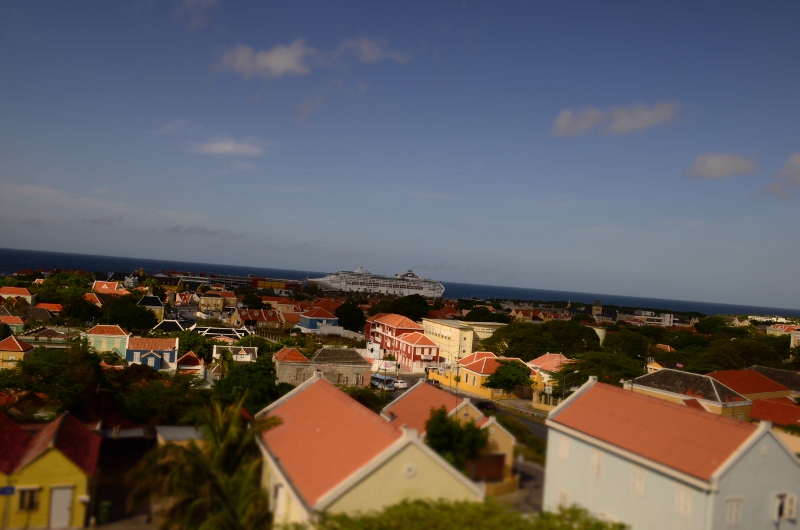
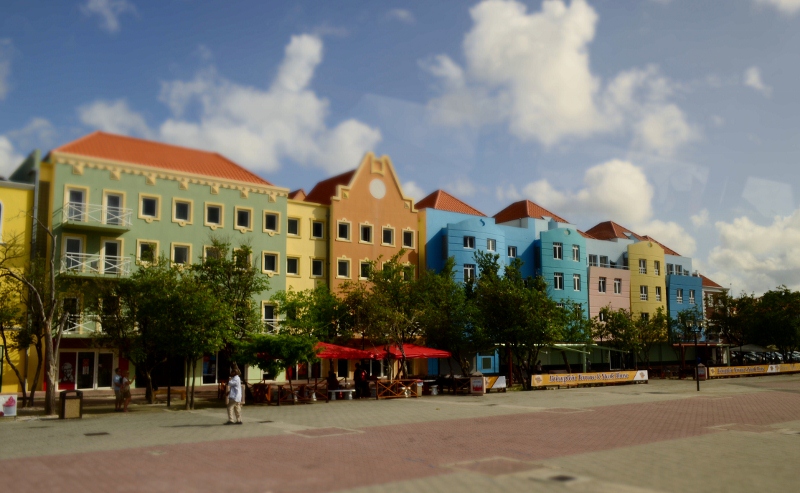
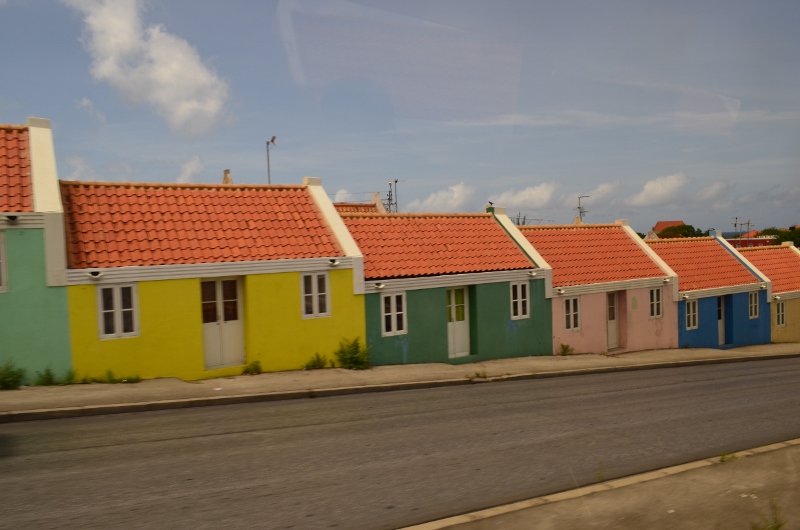
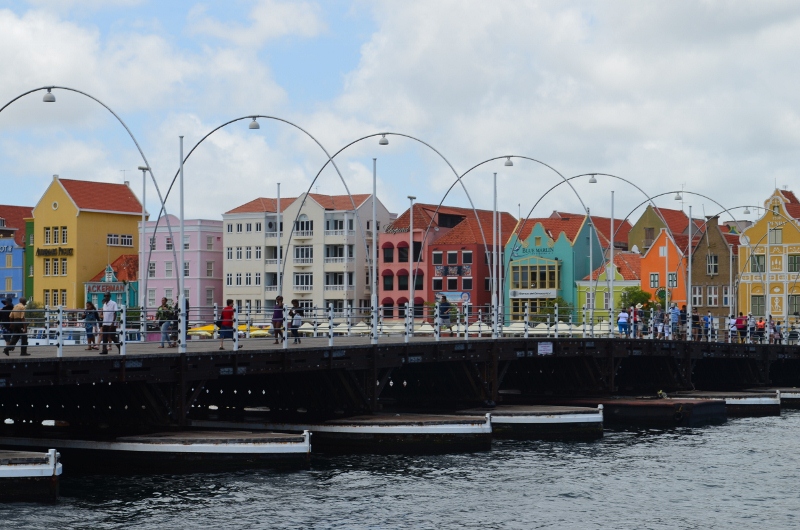
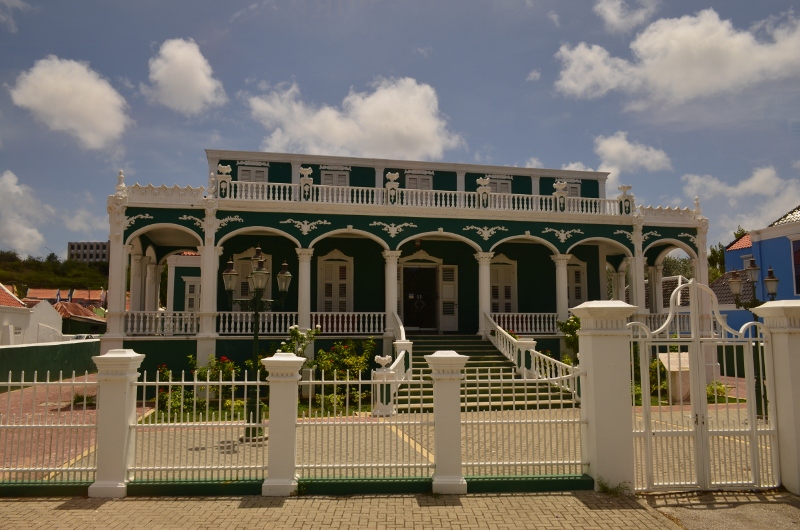
Curacao (pron. “Cur-ah-sow”……we just found that out today, I am ashamed to say!!!!) is the largest of the Dutch ABC Islands (Aruba, Bonaire and Curacao) and you can easily see the Dutch influence in the colonial architecture. All the houses are painted in bright colours and the story goes that previously all the houses on the islands were white. However an enterprising previous governor (who was also a partner in a paint company) decided that white was boring and it would look better if people painted their houses in different colours and so that is what they do right up to today. It’s the same in Aruba.

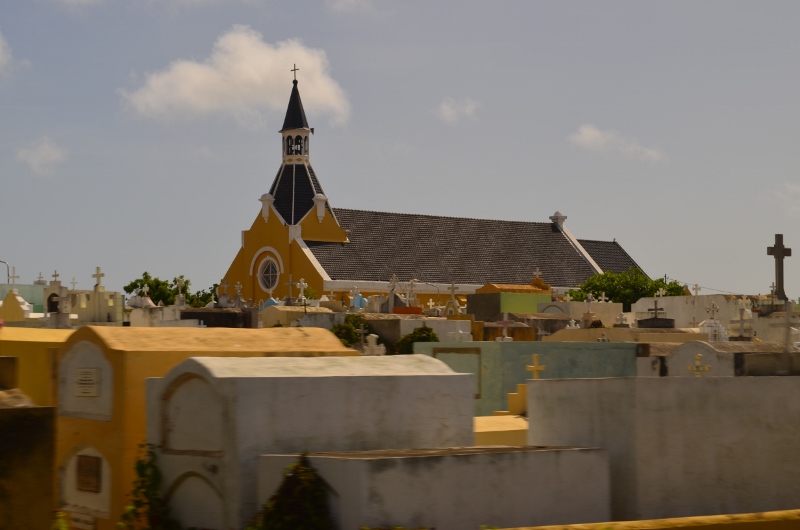
Another story we were told was that when people died, they were buried in cemeteries above ground. After about 5 years their bones were removed, crushed and put into boxes and stored in their families’ cellars, leaving room for other bodies – a form of “time share”!!! In recent years, cremation has gained popularity and now there is a waiting list.

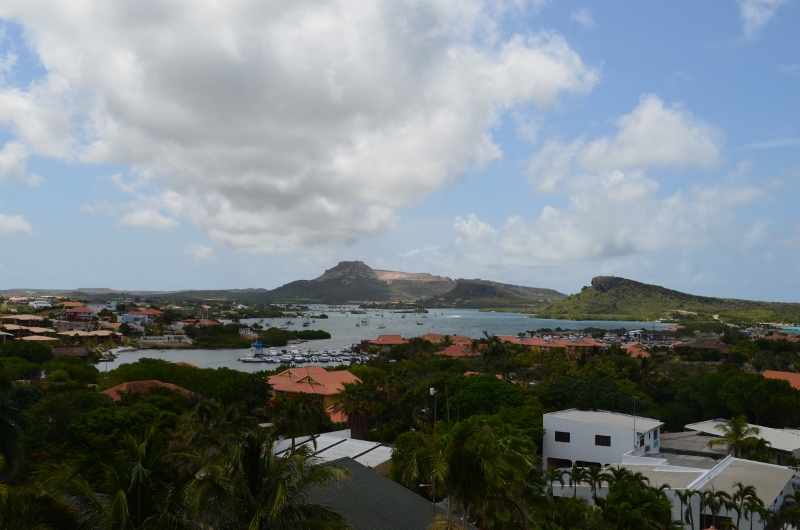
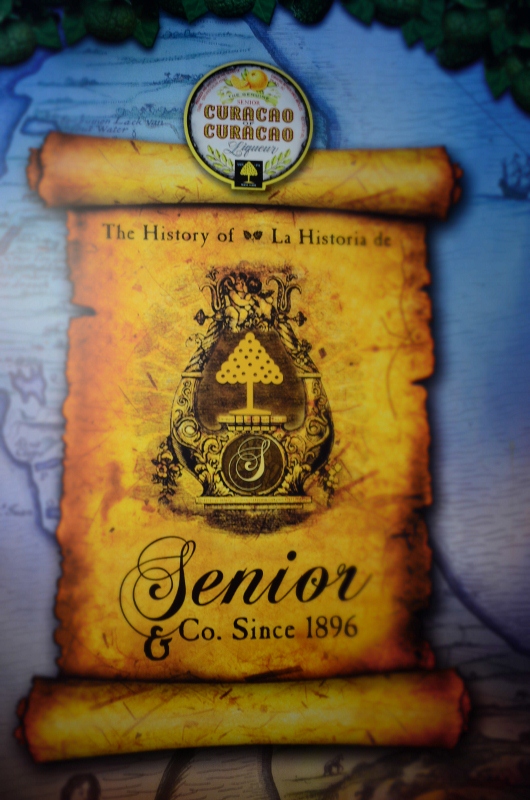
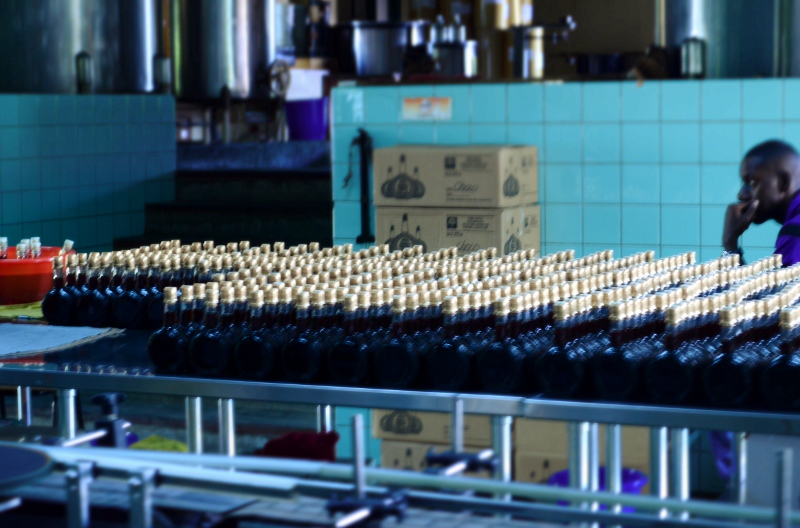
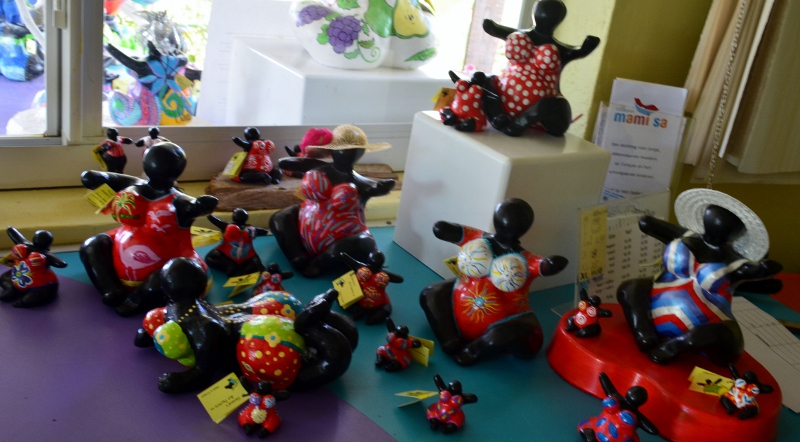
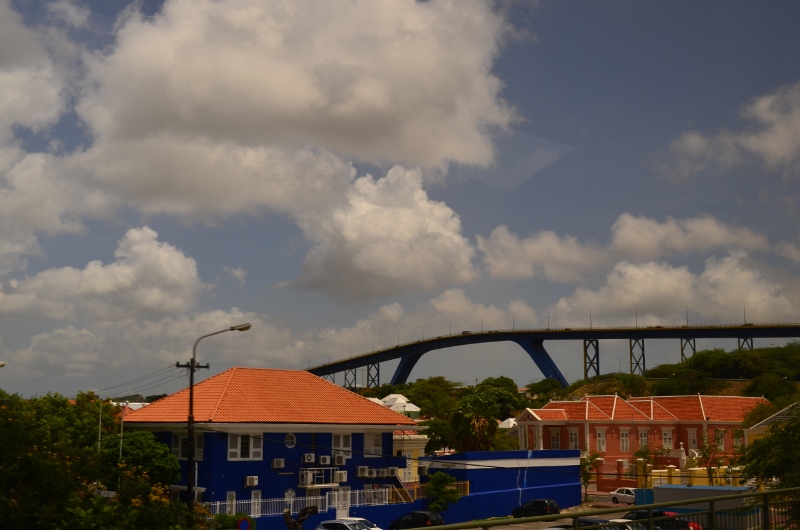
We did a nice tour of the island, starting with a drive through Willemstad, the newer section of the city, over the Queen Juliana Bridge and a visit to Chobolobo, the Dutch colonial estate where the famous Curacao liqueur is distilled. Samples were ready for us … very nice. Continuing through the eastern part of the island, we visited the Caribbean Handicraft shop and Chichi’s Workshop. “Chichi’s” is a nick name for women of Curacao and we could not resist buying one of these unique little sculptures, which are painted by the local women in lovely designs and tropical colours.

Markets were plentiful around the ship selling a variety of local crafts and there were many jewellery and designer brand label shops and the island is listed on the UNESCO World Heritage List.

Our first time in the Caribbean – and hopefully, not the last!
Sun Princess Curacao 008 (800x530)

Sun Princess Curacao 045 (800x530)

Sun Princess Curacao 013 (530x800)

Curacao factory

Curacao factory

Sun Princess Curacao 018 (800x458)

Cemetery

Cemetery

Chichi Art Factory

Chichi Art Factory

Sun Princess Curacao 002 (800x493)

Sun Princess Curacao 047 (800x530)

Sun Princess Curacao 077 (800x530)

An example of the beautiful architecture - note the white trim which is typical

An example of the beautiful architecture – note the white trim which is typical

Queen Juliana Bridge

Queen Juliana Bridge

Sun Princess Curacao 081 (800x530)