Panama Canal

Fri, August 2

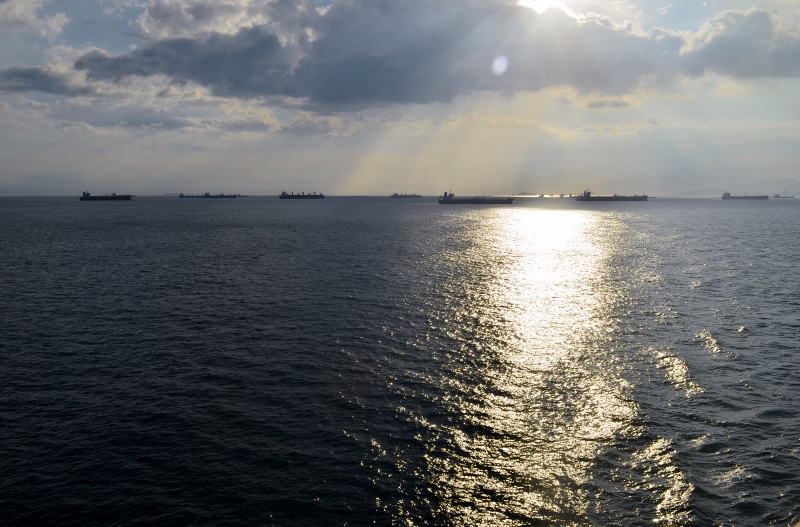
This morning we were awake early and saw many vessels at anchor, waiting for passage through the canal. At 5.15am the pilot came onboard and we were pleased to find out that passenger ships get priority, so we had a smooth run right through, although it did take about 9-1/2 hours from the first lock to the Bridge of the Americas.

The weather was quite warm at about 30oC, with sunrise at 6.10am and sunset at 6.41pm. We have a television channel with a bridge camera 24/7, but the canal is such an awe-inspiring construction that we spent most of the day outside as we didn’t want to miss anything. At one stage I closed my eyes and nearly went to sleep standing at the ship rail, so it was quite a tiring day but a very interesting one.

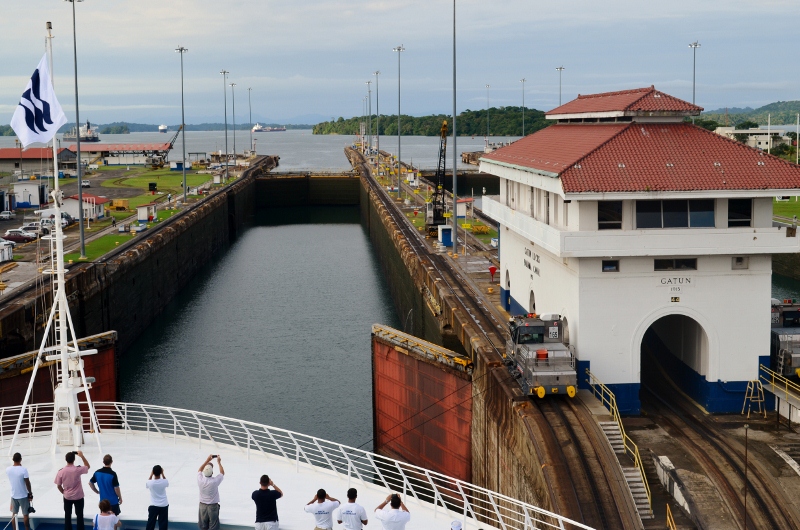
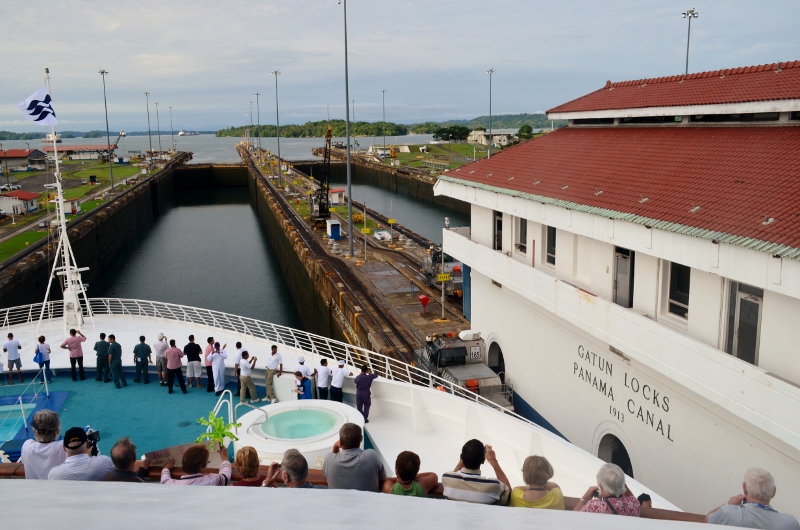
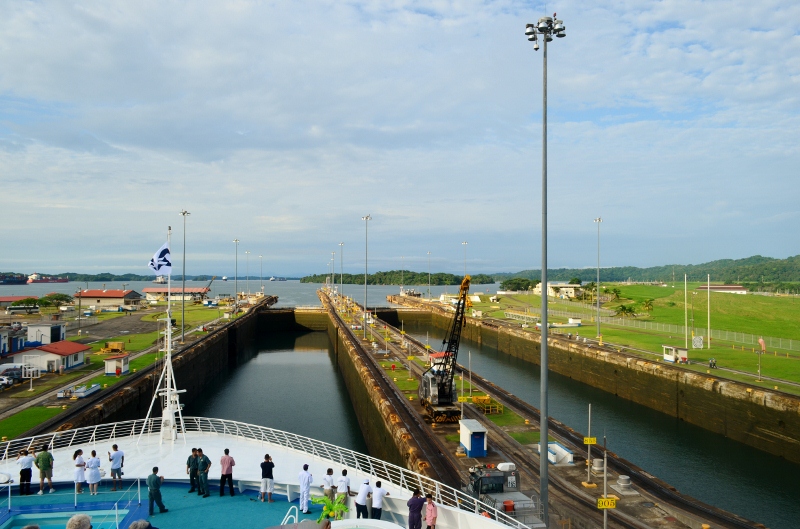
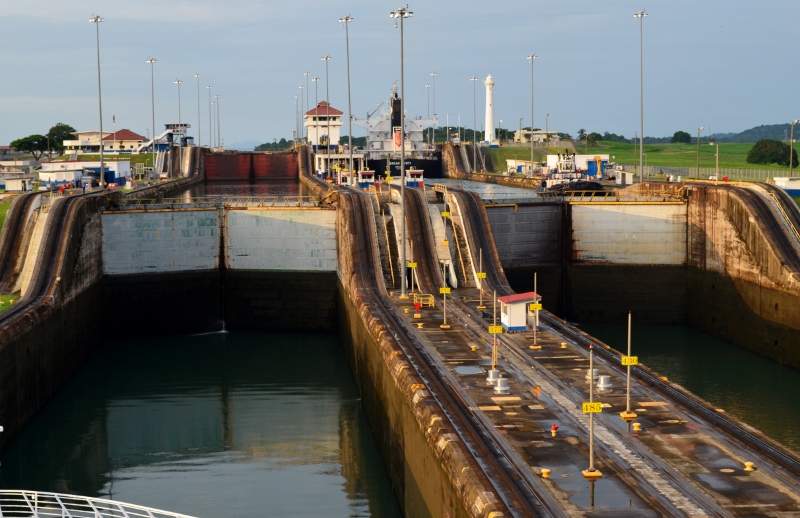
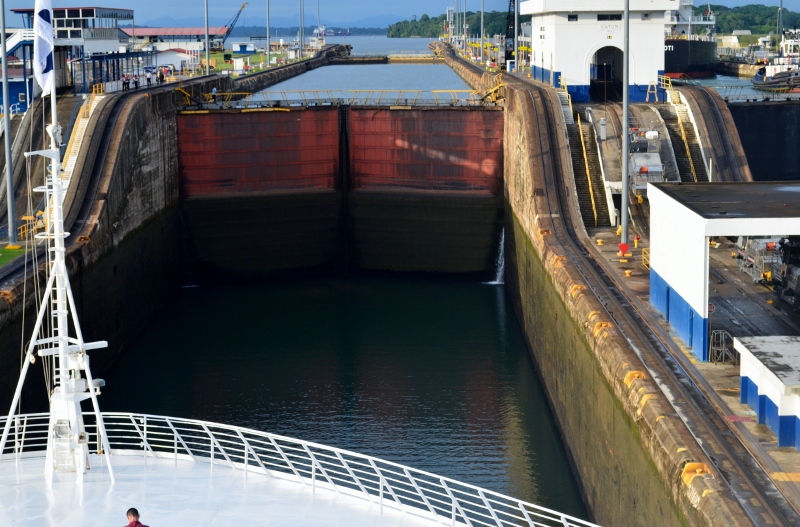
As we approached the first lock, electric locomotives known as “mules “attached themselves to the ship with steel cables and manoeuvred the ship into a central position whilst the gate closed behind us. The water used to raise and lower the vessels in each set of locks is obtained from Gatun Lake by gravity and poured into the locks through a main culvert system that extends under the locks chambers from the sidewalls and the centre wall. It seemed only a matter of minutes before the ship was at the correct level then the gates opened, the cables were released and the captain steered the ship to the next lock.

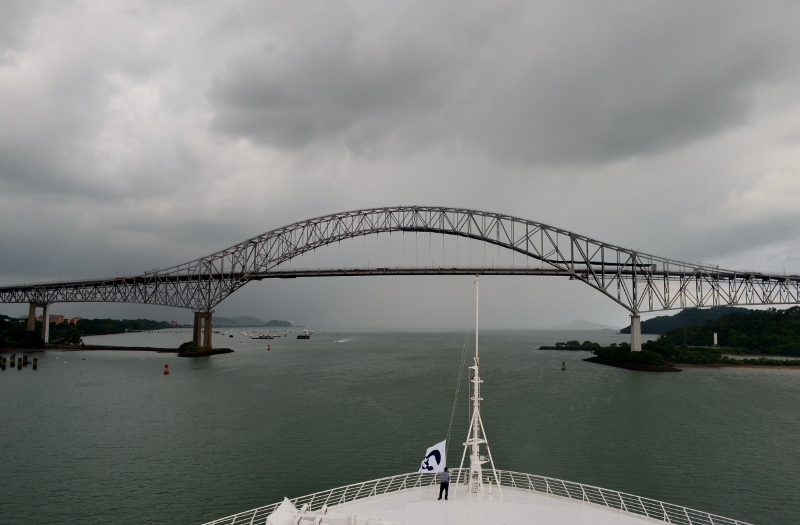
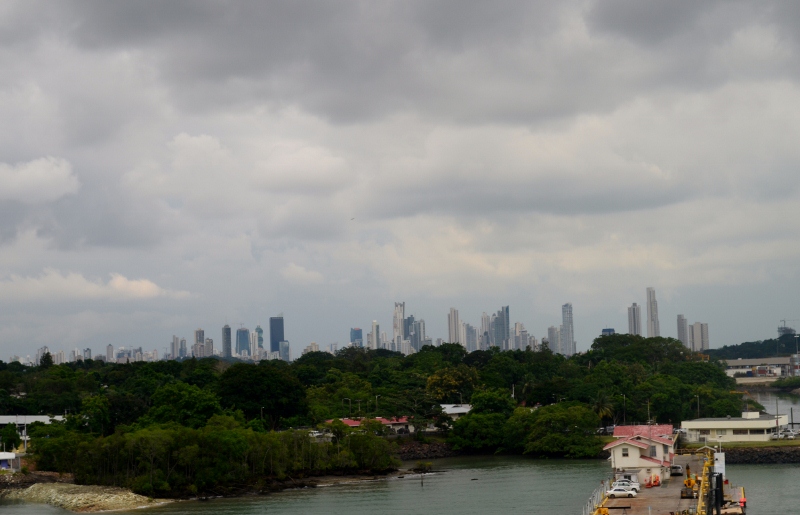
In total there were two lanes, each with two sets of locks; 3 on the approach to bring us up to the level of Gatun Lake, 26 metres above sea level, then two more where the process was reversed to bring the ship down to sea level. On exiting the canal we passed under the Bridge of the Americas and then our pilot disembarked. Off to the port side, we glimpsed the white skyscrapers of Panama City in the distance; so near, yet so far!

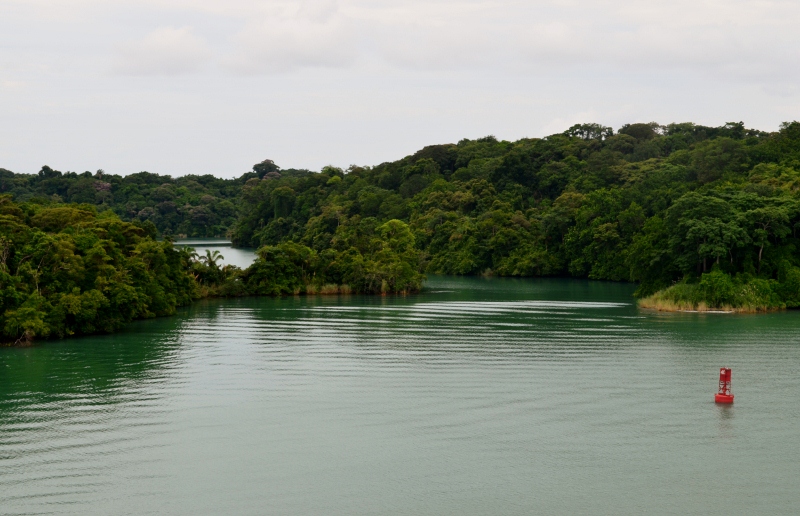
We saw dense tropical forests along the way, and sometimes the land was so close to the ship that we could hear the birds in the trees. The ship’s lecturer commentated all along the way, giving us many interesting facts about the history of the Panama Canal and also telling us about the monkeys, sloths and birdlife that live in the forests. I saw a small crocodile sunning itself on a bank not far from the ship, and although I managed to get a quick photo, it is hard to see it against the mud bank. I also noticed that the grass had been mown all along the sides of the canal, and found out that it isn’t done just to make it look neat, but rather to discourage snakes from coming too close to the canal.

The other interesting thing we noticed was the huge expansion program currently under construction, to add a third lane and a third set of locks which will allow the passage of ships with greater dimensions.

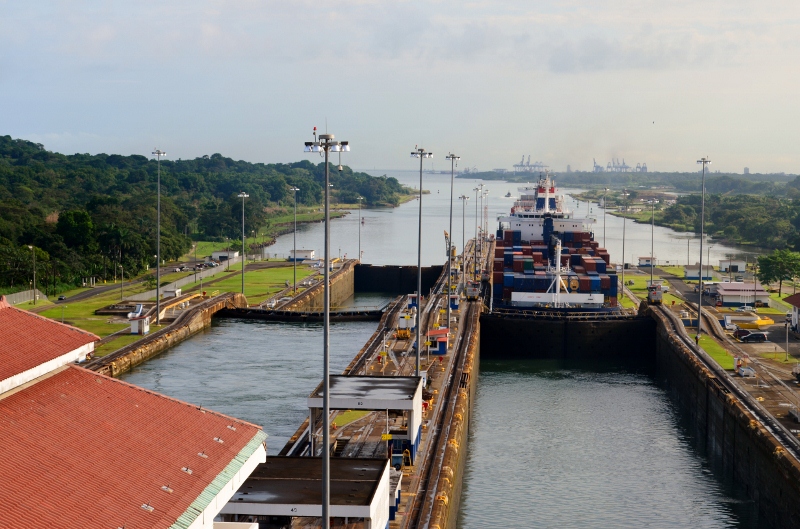
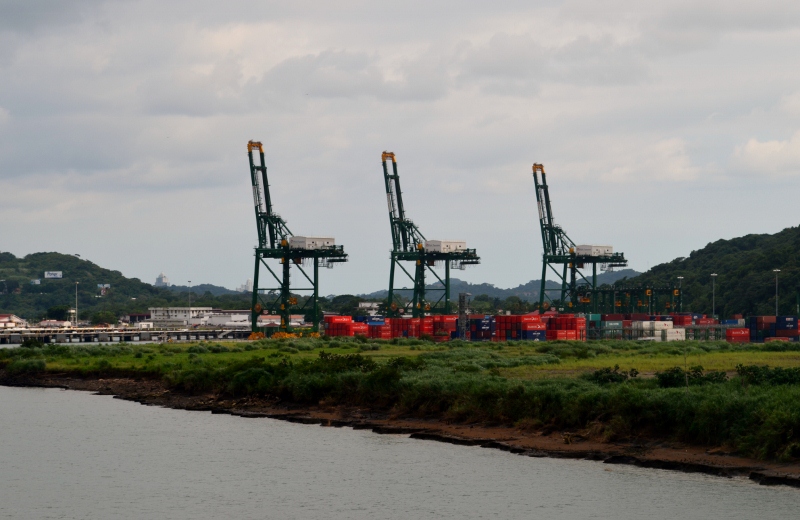
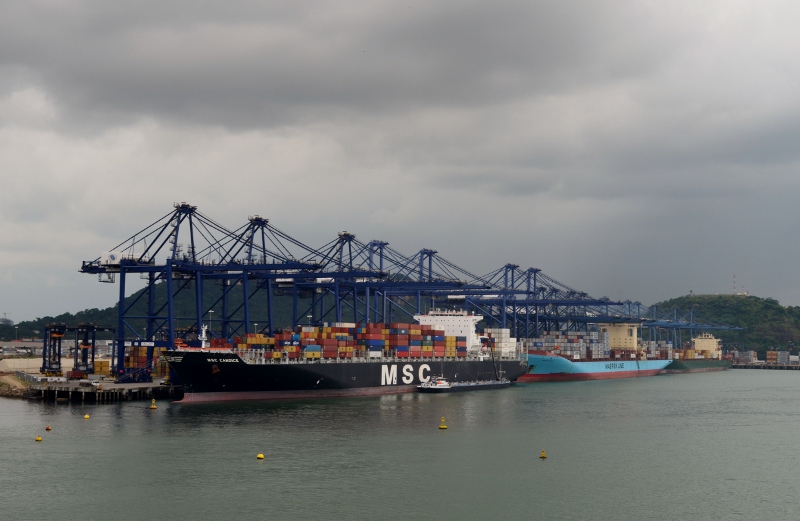
There is a huge container port near the Bridge of the Americas where container ships are loaded from the train which runs parallel to the canal. Some of these ships are too heavy to pass through and there is the cost to consider as well, so many of the ships unload their containers onto the train and collect them at the end.

Some interesting facts we learnt about this incredible feat of engineering: The Panama Canal took ten years to construct and was completed in 1914, although the project changed hands several times over the course of 400 years from conception to completion. Thousands of workers (up to 50,000 at one time) helped carve through 51 miles of earth and hard granite to link the Caribbean Sea to the Pacific Ocean. The cost to complete was over $350 million and cruise ships today pay over $100,000 to pass through.

Everyone agreed this was a wonderful experience and I believe that cameras at the locks recorded our passage on the Princess Facebook Page.
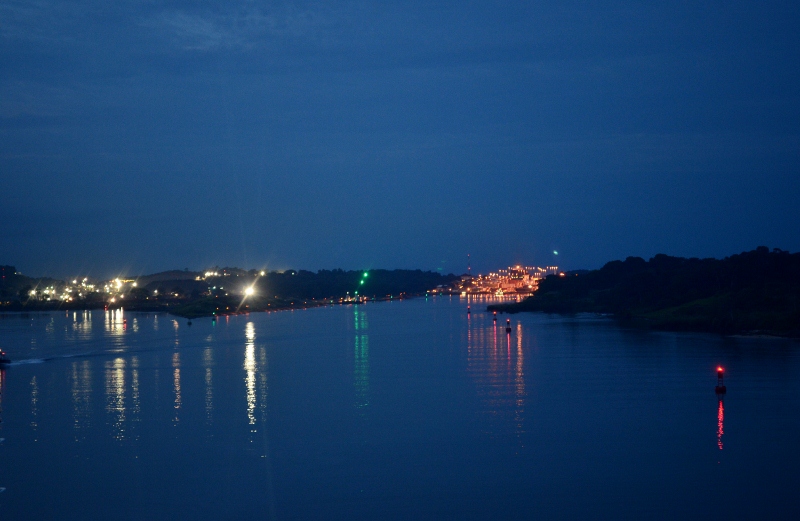
Our first sight of the canal before sunrise

Our first sight of the canal before sunrise
Sea Princess Panama Canal 009 (800x529)Sea Princess Panama Canal 018 (800x518)Sea Princess Panama Canal 030 (800x527)Sea Princess Panama Canal 046 (800x530)Sea Princess Panama Canal 051 (800x530)Sea Princess Panama Canal 053 (800x529)
View from back of ship as a container ship follows us
View from back of ship as a container ship follows us

View from our balcony as we make our way through the canal

View from our balcony as we make our way through the canal

Train taking containers to the end of the canal
Train taking containers to the end of the canal

Panama City
Panama City

Sea Princess Panama Canal 145 (800x521)Sea Princess Panama Canal 148 (800x520)
Bridge of the Americas

Bridge of the Americas

Ships at anchor waiting their turn to pass through the canal
Ships at anchor waiting their turn to pass through the canal
Caribbean :- Curacao

Wed, July 31

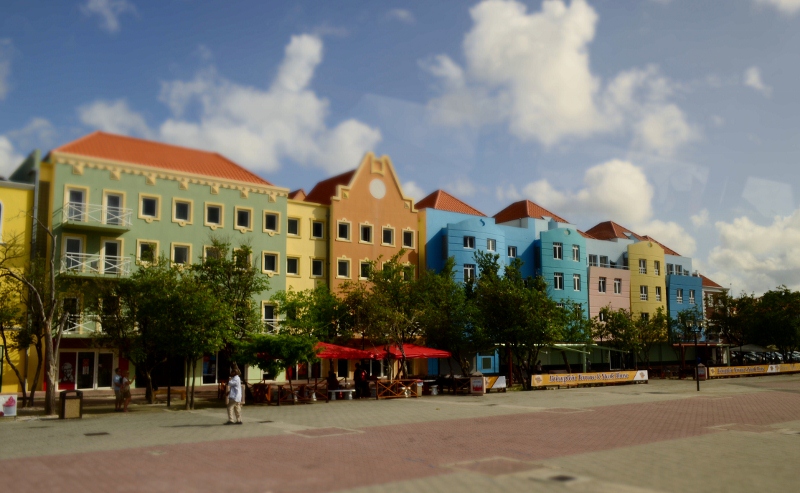
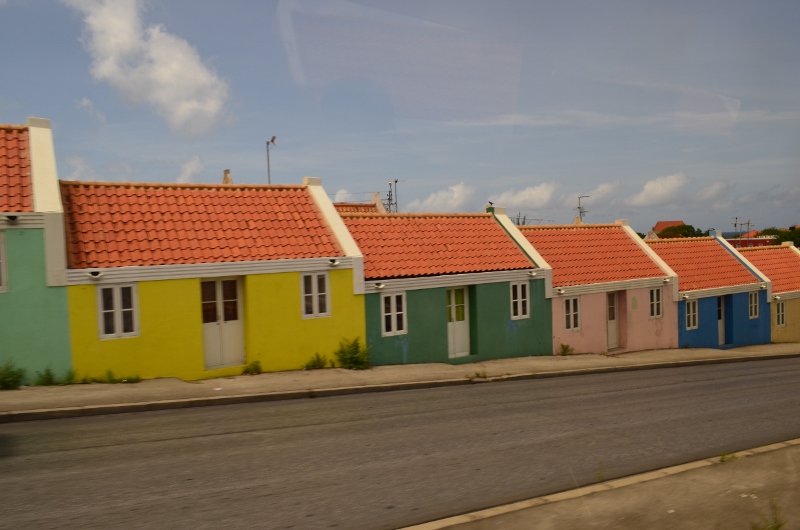
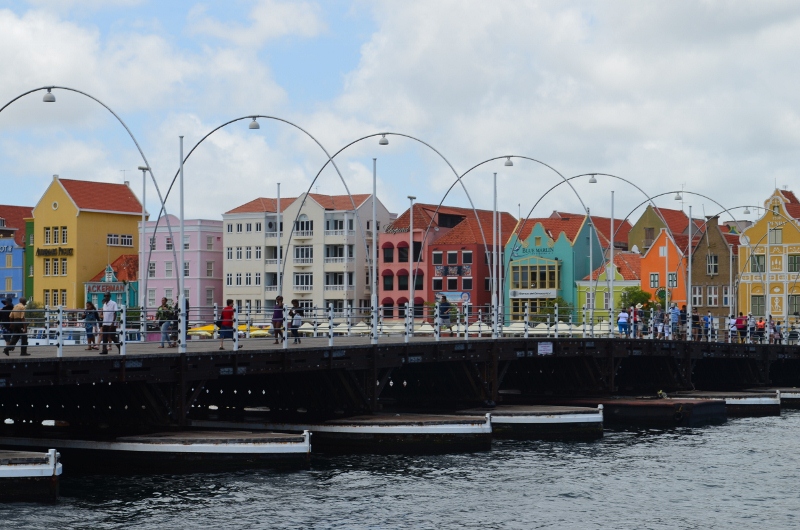
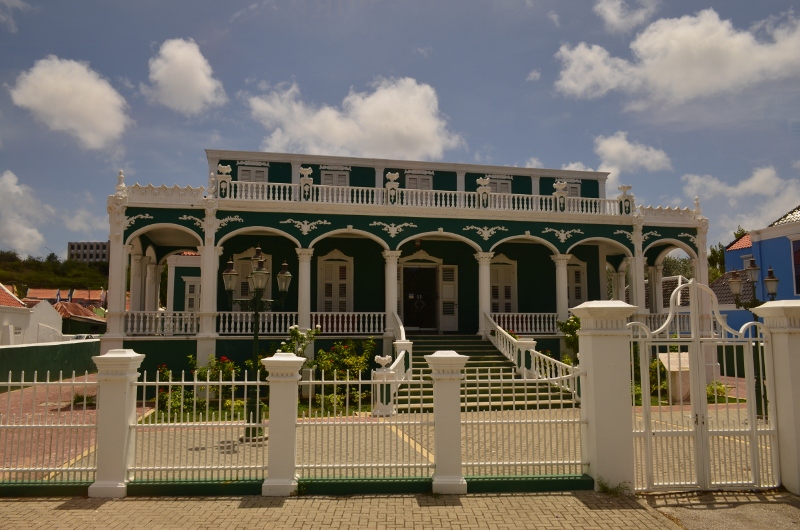
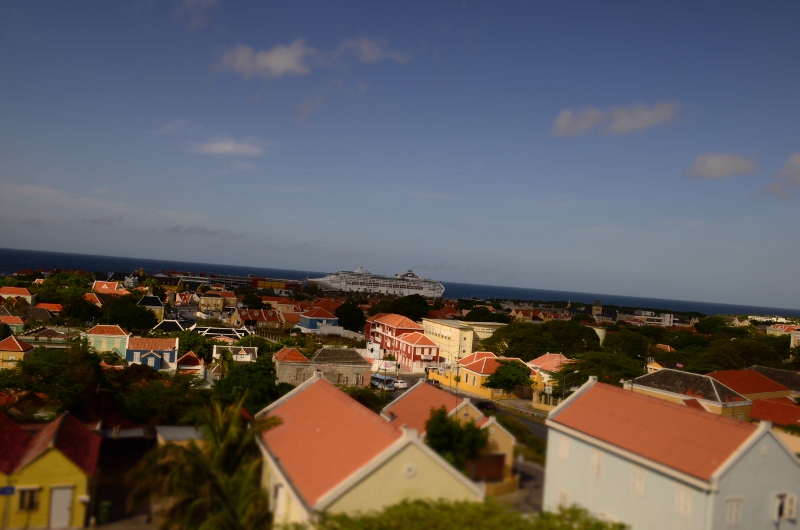
Curacao (pron. “Cur-ah-sow”……we just found that out today, I am ashamed to say!!!!) is the largest of the Dutch ABC Islands (Aruba, Bonaire and Curacao) and you can easily see the Dutch influence in the colonial architecture. All the houses are painted in bright colours and the story goes that previously all the houses on the islands were white. However an enterprising previous governor (who was also a partner in a paint company) decided that white was boring and it would look better if people painted their houses in different colours and so that is what they do right up to today. It’s the same in Aruba.

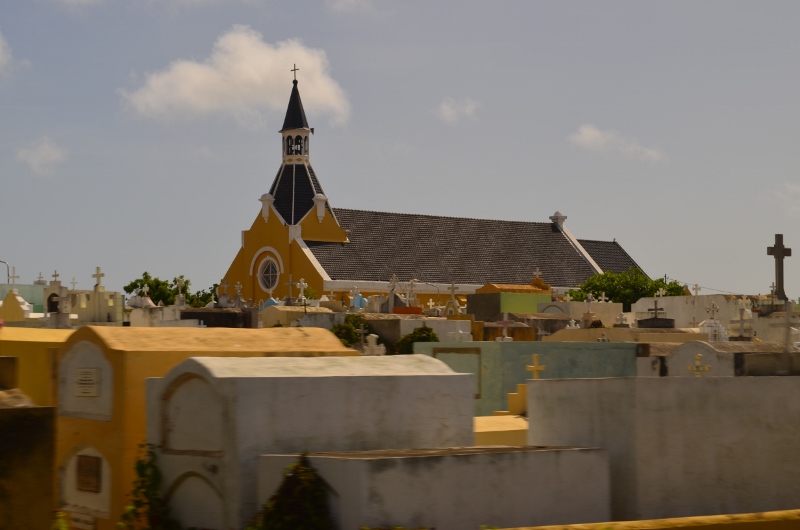
Another story we were told was that when people died, they were buried in cemeteries above ground. After about 5 years their bones were removed, crushed and put into boxes and stored in their families’ cellars, leaving room for other bodies – a form of “time share”!!! In recent years, cremation has gained popularity and now there is a waiting list.

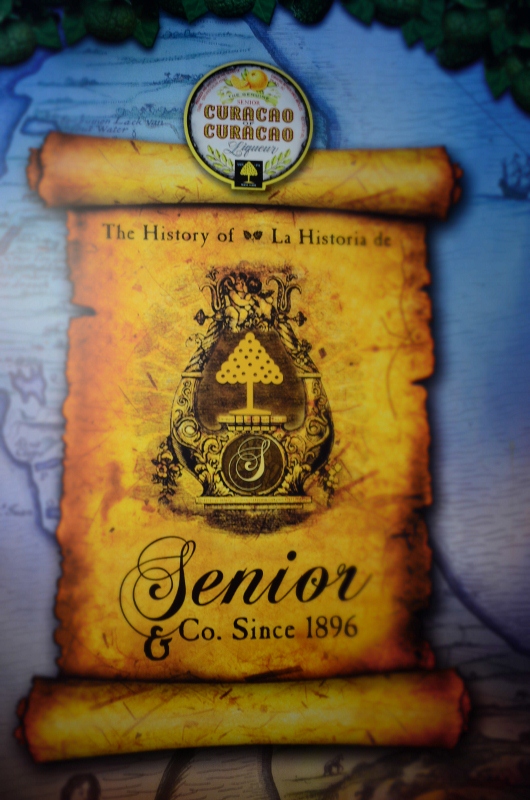
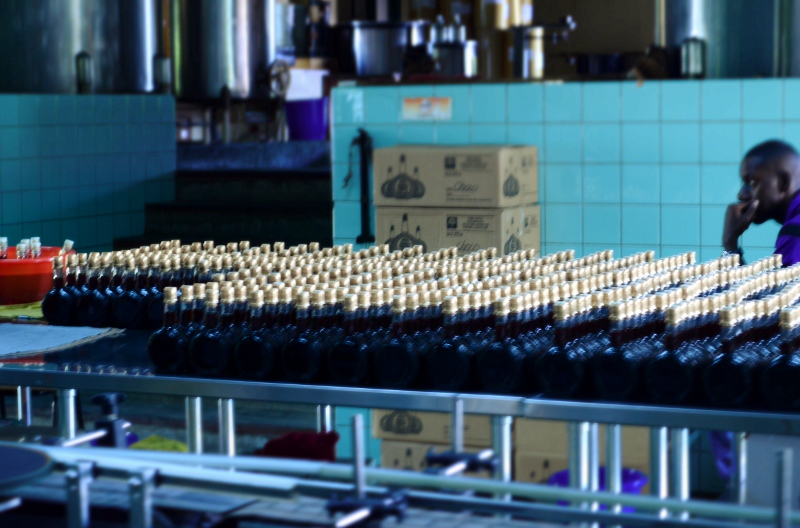
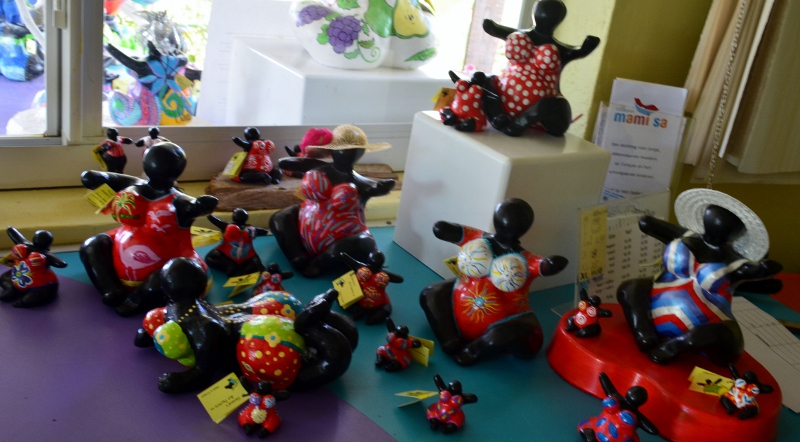
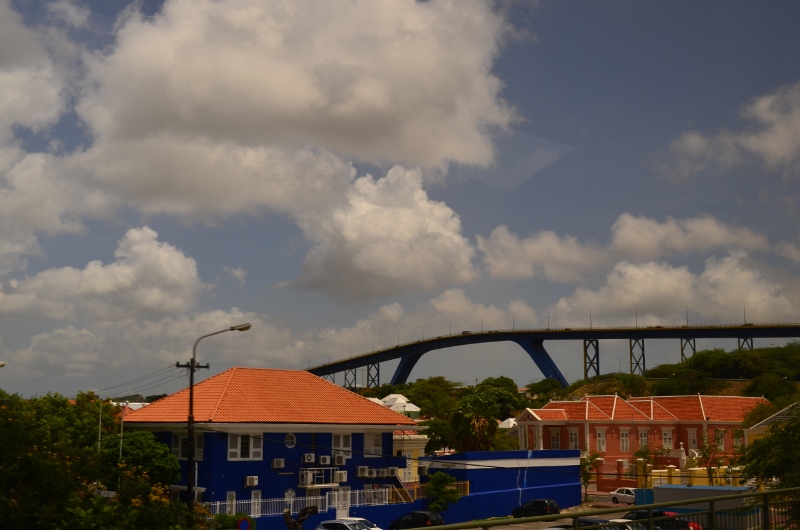
We did a nice tour of the island, starting with a drive through Willemstad, the newer section of the city, over the Queen Juliana Bridge and a visit to Chobolobo, the Dutch colonial estate where the famous Curacao liqueur is distilled. Samples were ready for us … very nice. Continuing through the eastern part of the island, we visited the Caribbean Handicraft shop and Chichi’s Workshop. “Chichi’s” is a nick name for women of Curacao and we could not resist buying one of these unique little sculptures, which are painted by the local women in lovely designs and tropical colours.

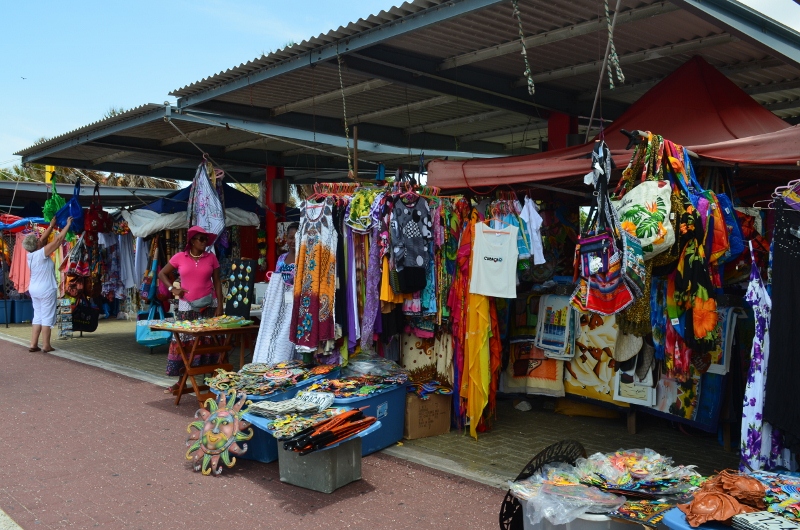
Markets were plentiful around the ship selling a variety of local crafts and there were many jewellery and designer brand label shops and the island is listed on the UNESCO World Heritage List.

Our first time in the Caribbean – and hopefully, not the last!
Sun Princess Curacao 008 (800x530)

Sun Princess Curacao 045 (800x530)

Sun Princess Curacao 013 (530x800)

Curacao factory

Curacao factory

Sun Princess Curacao 018 (800x458)

Cemetery

Cemetery

Chichi Art Factory

Chichi Art Factory

Sun Princess Curacao 002 (800x493)

Sun Princess Curacao 047 (800x530)

Sun Princess Curacao 077 (800x530)

An example of the beautiful architecture - note the white trim which is typical

An example of the beautiful architecture – note the white trim which is typical

Queen Juliana Bridge

Queen Juliana Bridge

Sun Princess Curacao 081 (800x530)

Caribbean – Aruba :- One Happy Island

Tue, July 30

A few days ago, our captain announced that we would be changing course and heading straight for Aruba due to a hurricane forming in the vicinity of Antigua, where we should have been heading to.

We decided not to pre book an excursion and found it quite easy to hop on a mini bus which took us all around the island. The people were warm and friendly and even children are taught at school how to be nice to tourists, as it is the only industry on the island. Aruba became its own country in 1986, although it still remains a Dutch protectorate.

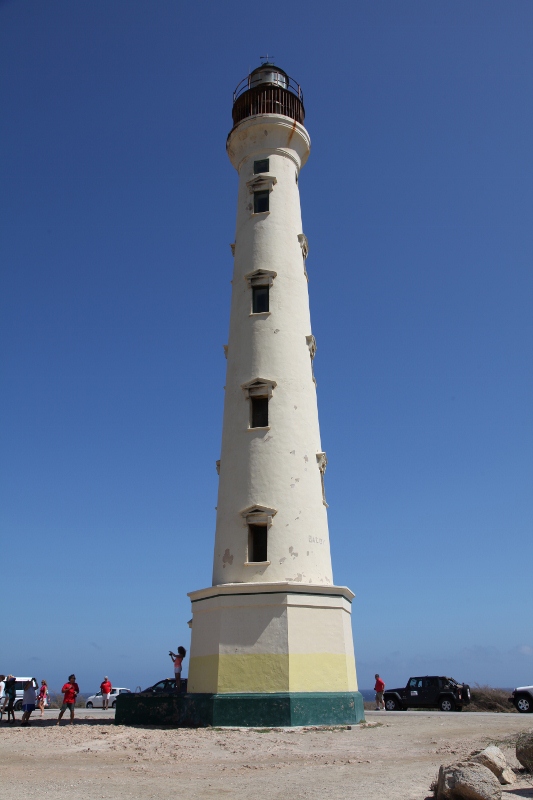
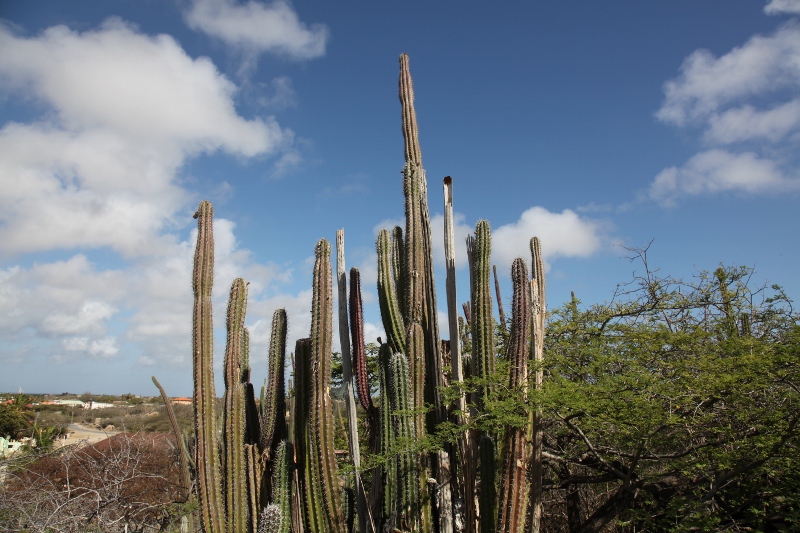
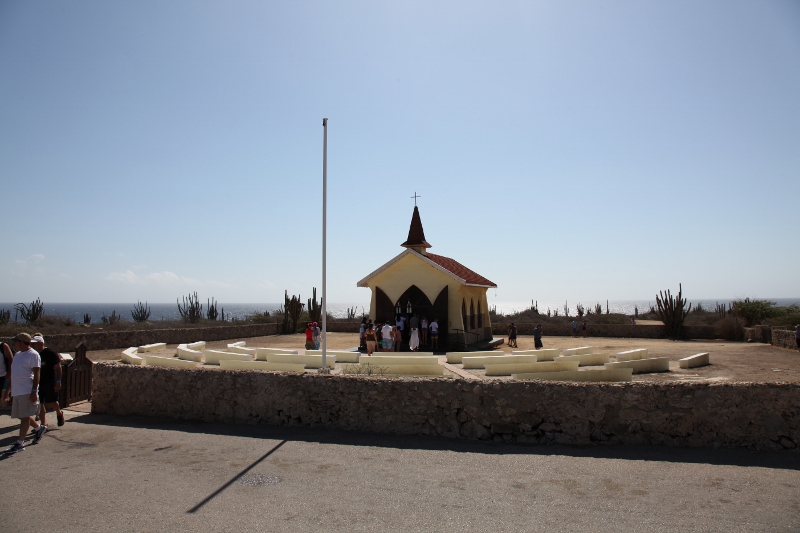
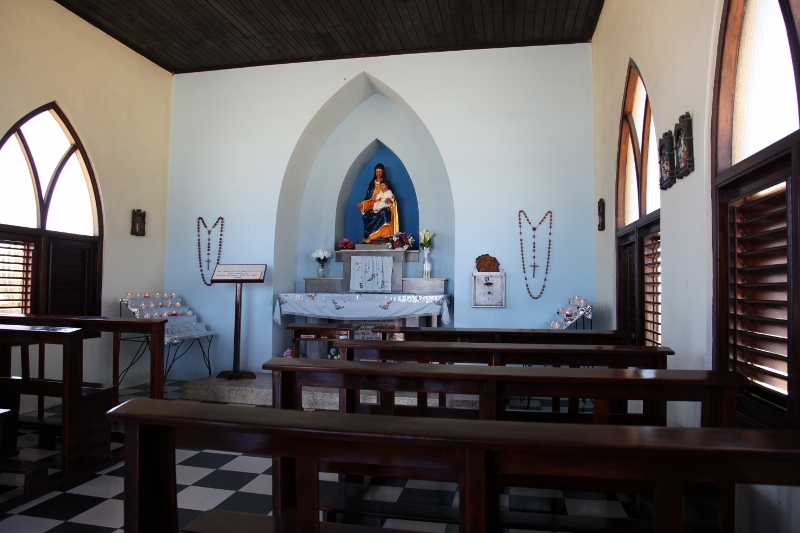
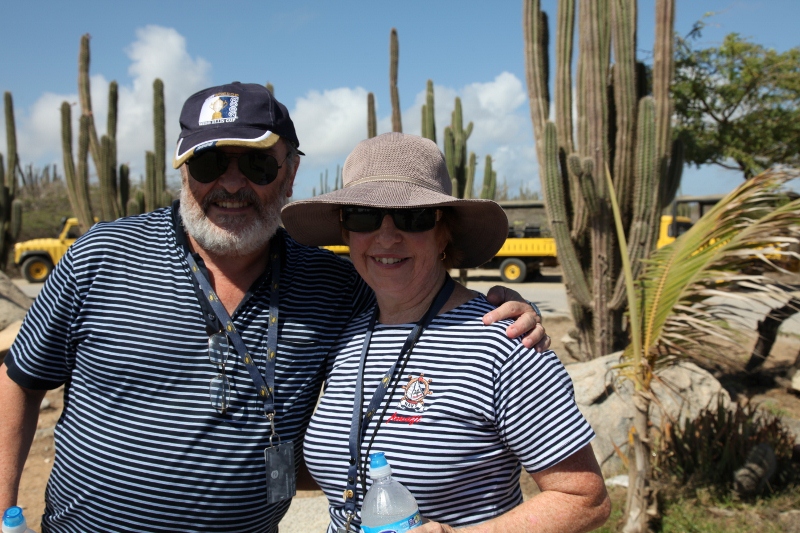
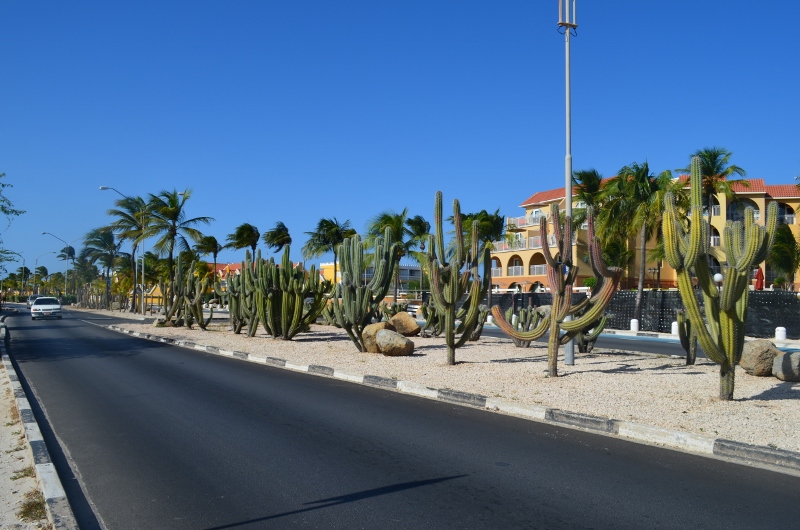
It is a small island, only 19 miles long and 6 miles across its widest point so it didn’t take long to drive around and see the highlights which included the Casibari Rock Formation which we climbed for a good view of the island, past some beautiful beaches, the Butterfly Farm, the Californian Lighthouse, named after the steamship which sank near the coast in 1891 and the Alto Vista Chapel The island does not get very much rainfall and it was amazing to contrast the lovely beaches on one side with the arid desert-like conditions on the other, with lots of cacti growing in the bush.

The weather was quite hot, so after some lunch back onboard, we set off for to do some shopping. Aruba is known for jewellery shopping, diamonds in particular, and although I loved the range of pink, yellow and blue diamonds, Alex was quite relieved when I wasn’t tempted to buy.

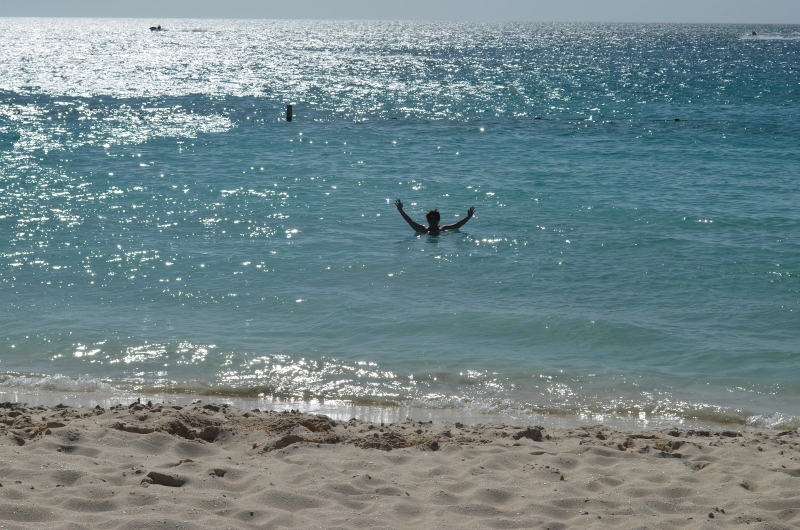
We then hopped on the local bus for a short ride to Eagle Beach, one of the many excellent beaches around the coast. I was quite pleased to see that it was netted, as we had been told that sharks and sea snakes (growing up to 5 feet long!!!) were on the other side of the island. We rented two banana lounges and had a lovely afternoon on the beach. Aruba’s beaches are stunning and the water was perfect. I had forgotten how lovely it is to swim in the ocean and could have spent the day there quite happily!!!

When we arrived back downtown, we stopped (as always) to try the local beer. It was very good on such a hot day and we were amused to find that the beer glasses were so heavy; we had to use two hands to drink! We loved this island with its crystal blue waters and white sandy beaches and were on deck to wave goodbye as we sailed at 7.00pm.

California Lighthouse

California Lighthouse

IMG_3537 (800x533)

Alto Vista C hapel

Alto Vista C hapel

IMG_3540 (800x533)

IMG_3550 (800x533)

Eagle Beach

Eagle Beach

Eagle Beach

Eagle Beach

The highlight of my day in Aruba

The highlight of my day in Aruba

Cacti growing down the middle of the street near the beach

Cacti growing down the middle of the street near the beach

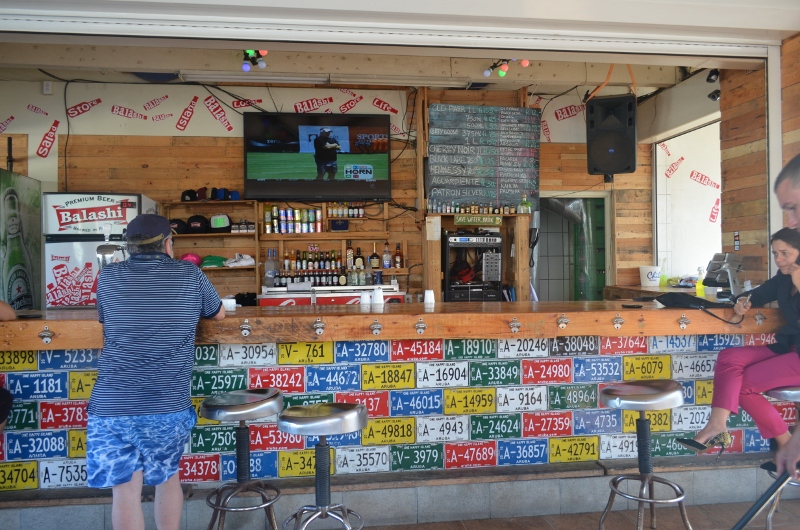
Old number plates decorate a bar

Old number plates decorate a bar

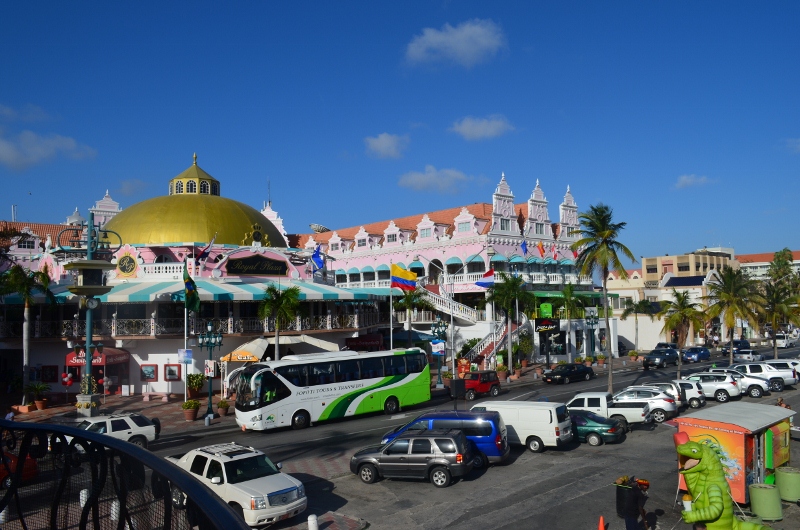
Aruba shopping

Aruba shopping

Local beer - Sea Princess in the background

Local beer – Sea Princess in the background