Wednesday, Nov 23: This morning we awoke to find ourselves in Alotau, Capital of Papua New Guinea’s Milne Bay Province.
It seems that every new place we come to becomes our new favourite! PNG to our surprise was no exception. Not on our bucket list, but hey – we are always open to new experiences. Some people didn’t leave the ship (I think there were a few concerns about the Zika Virus).
Alex (being ex-army) went off on the Battle of Milne Bay tour, to see various memorials and find out how the Japanese naval forces were ultimately defeated in 1942.
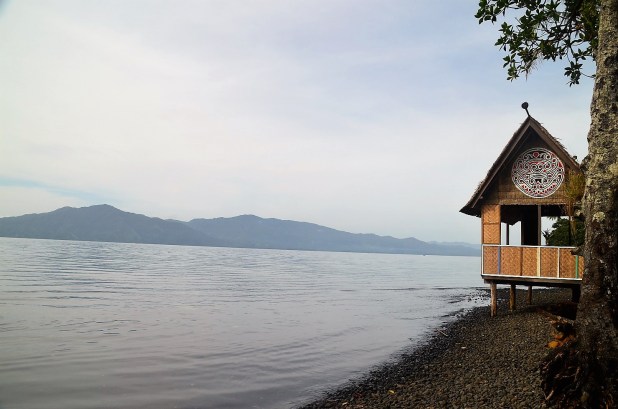
Japanese landing site at Milne Bay
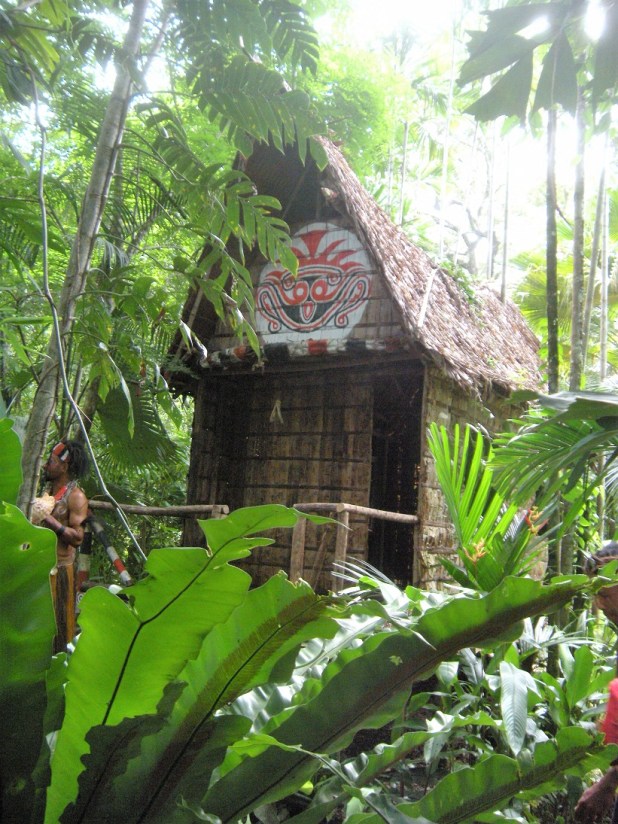
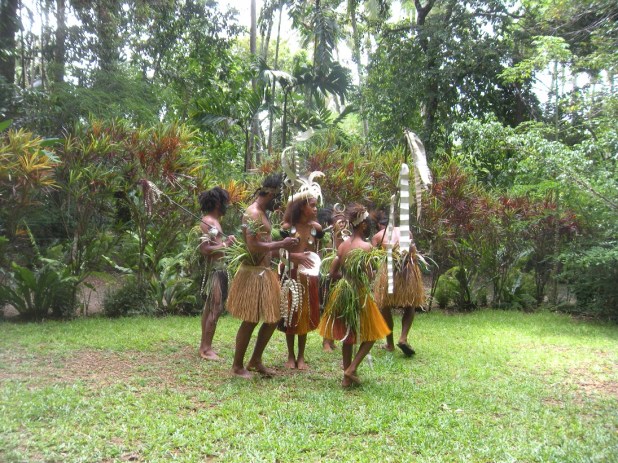
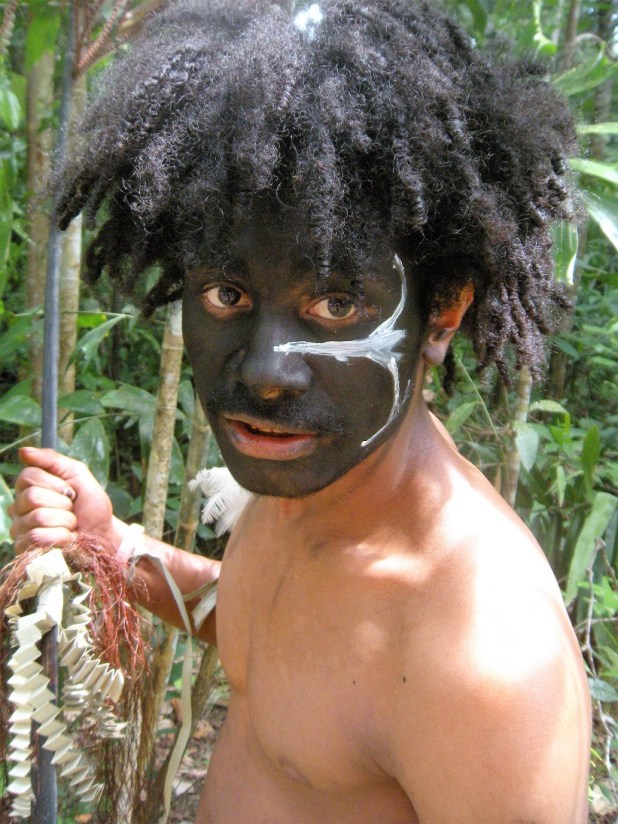
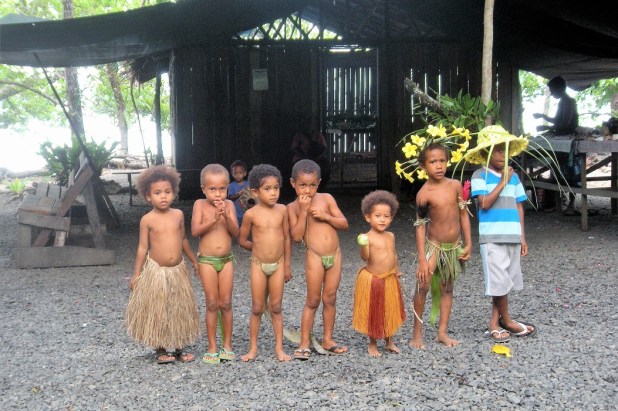
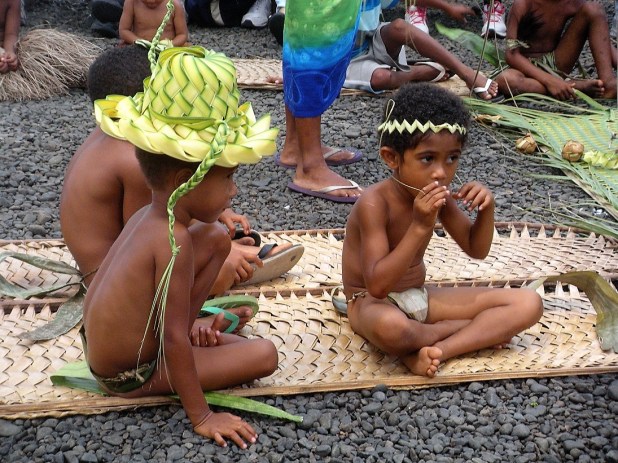
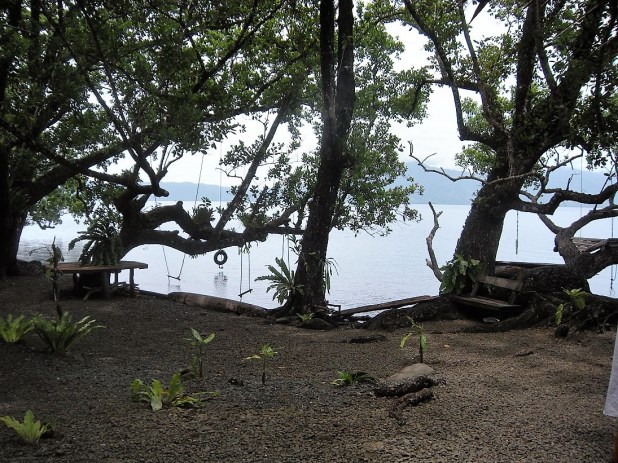
Meanwhile I joined the tour for the Ahioma Cultural Experience and we were taken by mini buses along rough dirt roads to a typical Milne Bay village and were welcomed by the chief. Very interesting morning and we learnt so much.
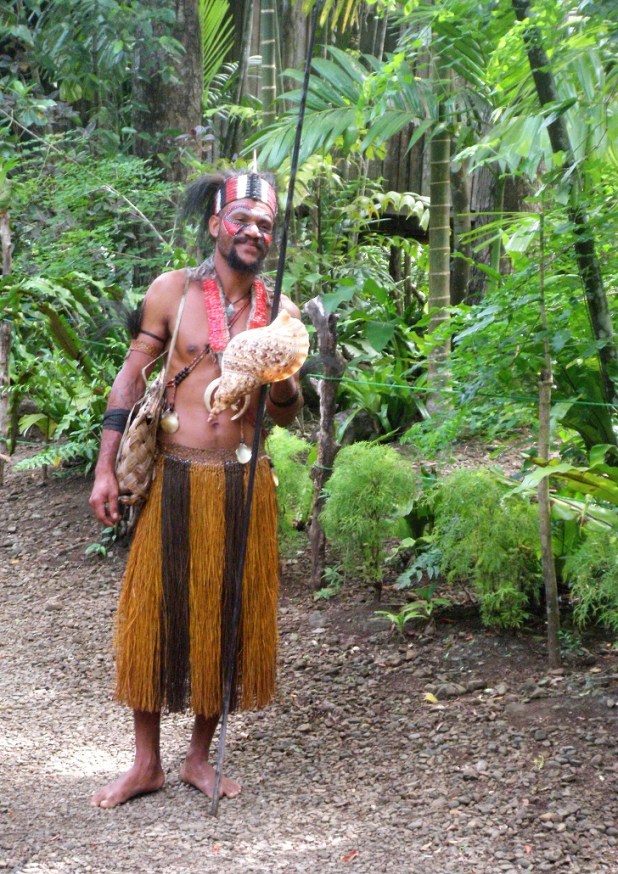
Amazingly, 48 different languages are spoken here of which our guide spoke two, including excellent English. We were invited to see how the people live, and what a relaxed way of life it is. Even though the ground looked stony, crops seem to grow well. Each person has a garden with a few crops such as sugarcane, taro, yams and coconuts, which they share among families.
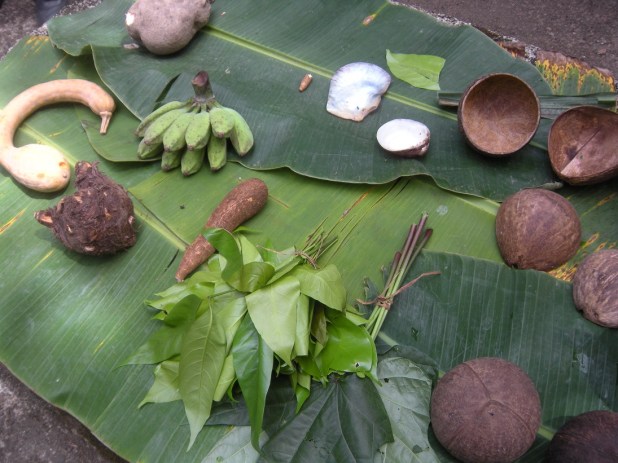
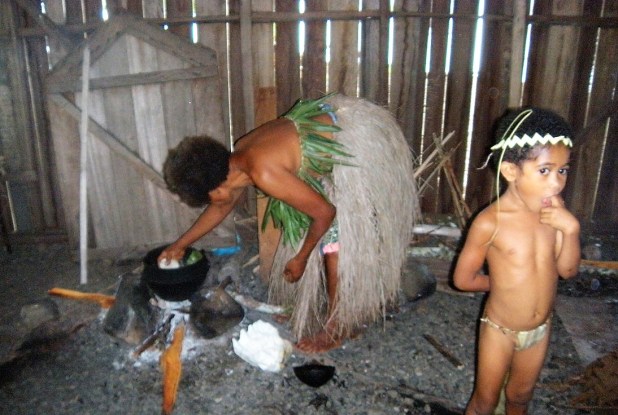
Food is cooked in clay pots wrapped in leaves. The uses for a coconut alone, apart from eating, were amazing – from a body loofah, making string or cleaning their cooking implements, to name just a few! They eat pork and when we went to the seaside village, we saw how they make nets to catch fish to add to their diet.
Occasionally, they barter their produce for imported goods but mostly “go to the environment” as we heard so many times. There are not many jobs to be had, out of a population of approximately 74,000 (16,00 in the town) only a few people own motor vehicles and they don’t have much need for money. What a stress-free way life!




 Quilts, Cats and Me